

Benchmark Measurement Solutions (formerly Turner Designs Hydrocarbon Instruments) articles
Steam-assisted gravity drainage (SAGD) was first developed to recover bitumen from the Alberta’s Canadian oil sands. Bitumen is an especially heavy, tar-like hydrocarbon known for its adhesive qualities. The principal idea behind SAGD is that two parallel horizontal wells are drilled through a reservoir, one above the other. The top well is used for injecting hot steam into the oil sands. The heat causes the heavy oil to thin and separate from the sand, and gravity drains the oil into t
Produced water is a byproduct brought to the surface during oil and gas exploration and production. Sometimes it is called formation water, brine, or saltwater. It is typically brackish and comes from underground formations, either from zones adjacent to the oil and gas, or from the same zone as the hydrocarbons. In some oil and gas operations, the produced water results from injecting clean water into oil reservoirs to force production from wells.
Whether the produced water exists in
Despite the fact that water covers 70 percent of the planet, a mere 3 percent of that water is fresh. Most of the planet’s freshwater is not readily available. The water systems that perpetuate ecosystems are stressed by a growing human population, disappearing wetlands, agricultural consumption and droughts related to climate change. At present, 14 of the world’s 20 largest cities are experiencing water shortages. According to the World Wildlife Organization, two-thirds of the wo
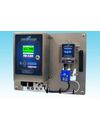
Oil leaks in cooling water systems, usually from rotating heavy equipment such as pumps, compressors and turbines, contaminate the cooling water and are likely to damage the equipment. One method for detecting oil leaks in cooling water is to periodically grab a sample of the cooling water for analysis. Grab sample analysis has inherent problems. Sample analysis might require hours or days, and damage might occur to equipment before a leak is detected. For
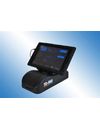
Oil concentration in water can be measured using many different methods. Local government regulations usually require a specific laboratory method, which is difficult to perform in the field. Each method used will demonstrate a different sensitivity and bias to the hydrocarbon mixture that makes the oil. Additionally, only under controlled conditions will two water samples have the same oil concentration. For these reasons, when comparing the measurement of oil concentration in water samples,
Chip Westaby - Turner Designs Hydrocarbon Instruments, Fabrizio Baldi - ASPROC
Abstract
Often there is a need for quick field measurement of gas condensate concentration in produced water, such as when performing process optimization, water treatment verification and routine process monitoring. Rigorous laboratory analysis methods such as gravimetric oil and grease measurements or gas chromatographic methods are not sufficiently sensitive to process changes and/or do not provide the required quick turnaround. Various quick analysis methods wi
Chip Westaby
The Situation
California is currently facing one of the most severe droughts in recorded history. In order to mitigate the drought conditions, various water conservation measures have already been implemented, and others are being considered. One method under consideration is using the advanced treatment of produced water to make it available for irrigation. A major challenge to the success of this method is economically treating the produced water to achieve
The Situation
A wastewater treatment company operated an oil/water separation facility on a multi-acre industrial site in Northern California. Its purpose was to recycle oil products for profit while at the same time providing a wastewater treatment service for industries based in Northern California.
The oily water mixes processed by the company were obtained from tanker bilges, contaminated rainwater runoff, truck spills, oil spills into waterways,
Salt Water Disposal (SWD) well operators often dispose a substantial volume of oil inadvertently when injecting salt water, thereby losing the opportunity to sell the oil on the market and potentially reducing the ability to inject water in the well. Injection facilities are typically operated with minimal instrumentation or system optimization, which means the operators don`t know how much, or when, oil is being disposed.
A typical oil field tank battery for oil/water treatment co
Salt Water Disposal (SWD) well operators often dispose a substantial volume of oil inadvertently when injecting salt water, thereby losing the opportunity to sell the oil on the market and potentially reducing the ability to inject water in the well. Injection facilities are typically operated with minimal instrumentation or system optimization, which means the operators don`t know how much, or when, oil is being disposed.
A typical oil field tank battery for oil/water treatment consi