


- Home
- Companies
- BioMagic, Inc.
- Services
BioMagic, Inc. services
FOG Management
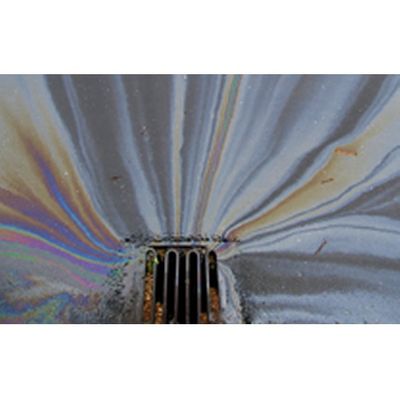
Odor Control and Compliance Services
The Environmental Protection Agency (EPA), Occupational Safety and Health Administration (OSHA) and state and local municipalities have set standards for H2S emissions, discharge of “dissolved sulfides” into the sanitary sewer system and the treatment and/or disposal of grease by FSEs1. BioMagic’s product has proven to be effective in controlling the formation of sulfides and the resulting H2S gases.
BioMagic - FOG Management Services
Food Service establishments1 (FSE) are now required, in most states, to install, operate and maintain a grease interceptor and to follow certain guidelines for hydrogen sulfide (H2S) emissions and to control the discharge of “dissolved sulfides” and grease into the sanitary sewer system.
Wastewater Management

Wastewater Odor Control Services
Municipalities and water districts today are extremely sensitive to odor complaints from the local community. Complaints of “sewer gas” odors are generally associated with the foul smelling hydrogen sulfide gas produced by bacteria using the sulfate ion, a common component of wastewater, as an oxygen source in the decomposition process.

Corrosion Control Service
The presence of hydrogen sulfide gas is not only a nuisance and potential health hazard to humans, it can also cause severe damage to the collection system infrastructure. Hydrogen sulfide gas, when combined with oxygen and certain bacteria, produces sulfuric acid and the effect of sulfuric acid on concrete surfaces in the sewer environment can be devastating. Sewer lines, pump stations, and collection interceptors fail structurally because of concrete corrosion caused by sulfuric acid. But concrete is not the only material that can be affected by the corrosive action of hydrogen sulfide gas. Most metals present in the infrastructure of collection systems can also be attacked and destroyed by exposure to sulfuric acid. This might mean missing rungs on manhole steps, corroded and weakened manhole covers and rings or severe corrosion to brass and copper fittings.
Wastewater Management Services
Two major problems challenge municipal wastewater engineers and consulting engineers: odor control, and infrastructure damage. The root cause of both is the formation of liquid sulfides and the hydrogen sulfide gas that results. This H2S gas is an extremely offensive smelling gas, much like a highly-concentrated “rotten egg” odor. The result is odor complaints from nearby neighborhoods and businesses. The H2S will also react with moisture in the collection system to form sulfuric acid which aggressively attacks the concrete and metal parts of the system infrastructure. BioMagic products cost-effectively eliminate the formation of sulfides in wastewater collection systems. Less product is needed to achieve the desired result. No special handling is required since the product is non-toxic, non-hazardous and environmentally friendly.
Municipal Solid Waste
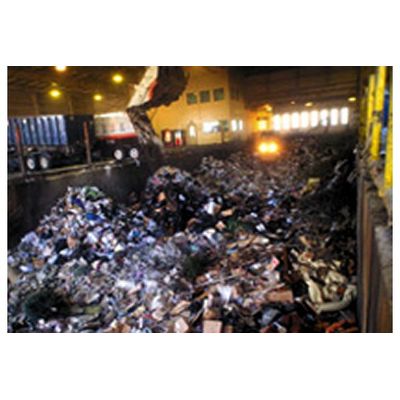
Controlling Odors in Material Recovery Facilities
Odor control inside Material Recovery Facilities is just as important for employees working inside the recycling facility as it is to neighboring residents. And very soon, many local air quality management districts will mandate it. The challenge is how to eliminate odors—and complaints—cost-effectively and use current technology to deliver that solution. Odor-neutralizing agents provide a better choice over those chemicals that merely mask odors. To date, the most commonly used solution involves essential oils and plant extracts, highly diluted with water, and delivered through high pressure nozzles. Expensive, but effective. BioMagic MSW-600 offers clear advantages. Costs are about 70% less than essential oils. Delivered as an ultra-fine mist, very small droplets stay airborne and react with the airborne odor molecules in the MRF, while posing no health risk to employees. Very little water weight is added to the waste to be transported from the facility to landfills.
Municipal Solid Waste Services
One of the main concerns of waste and environmental services companies today is their image in the community, so controlling odors in and around waste transfer facilities, landfills and recycling facilities is one of the highest priorities. And with good reason. Not only can failure to control odors generate substantial consumer complaint, but in 2008, many local air quality management districts will have specific regulations concerning the planning and implementation of odor management solutions for these facilities.