


Bionics Enviro Tech products
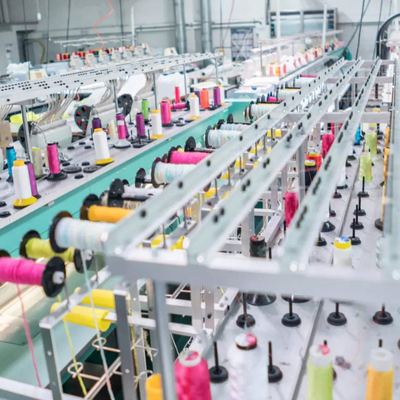
Nanozyme - Model BET - ETP - 7003 - Textile Dyeing Units
The effluents generated from textile dyeing units create major environmental problems and issues both in public and textile units. Industrial wastewater treatment is one of the major problems in the present scenario. Generally, synthetic dyes can be classified as anionic (direct, acid and reactive dyes), cationic (basic) and non-ionic (disperse). Anionic dyes (direct, acid and reactive) represent 20–30% of commercial dyes used. Azo dyes are the largest chemical class of dyes with a great deal of structural and colour variety used in industries representing up to 70% of the annual production.
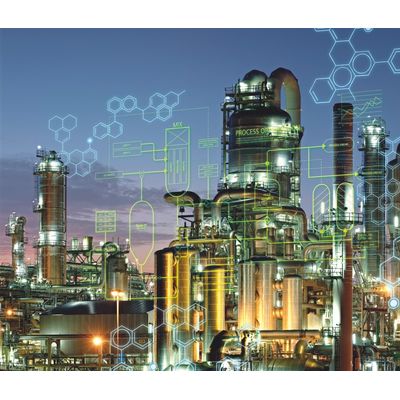
Bionics - Microbial Culture / Bio Culture Unit for Chemical Industries
The chemical industry is of importance in terms of its impact on the environment. The wastewaters from this industry are generally strong and may contain toxic pollutants. Chemical industrial wastes usually contain organic and inorganic matter in varying degrees of concentration. It contains acids, bases, toxic materials, and matter high in biological oxygen demand, color, and low in suspended solids. Many materials in the chemical industry are toxic, mutagenic, carcinogenic or simply hardly biodegradable. Surfactants, emulsifiers and petroleum hydrocarbons that are being used in chemical industry.
Bionics - Model BET - ANA - 9003 - Microbial Culture / Bio Culture Unit for Pulp and Paper Industries
Pulp and paper industries generate varieties of complex organic and inorganic pollutants depending upon the type of the pulping process. A state-of-art of treatment processes and efficiencies of various wastewater treatment is presented and critically reviewed in this paper. Process description, source of wastewater and their treatment is discussed in detail. Main emphasis is given to aerobic and anaerobic wastewater treatment.

Bionics - Model BET – STP – 9013 - Microbial Culture / Bio Culture Unit for Sewage Water Treatment
Enzyme products by Nanzoyme microbial culture / bio culture will serve to enhance the operational performance of municipal sewage treatment plants, septic systems, grease traps, food processing waste systems, lagoons, lift stations fish ponds, water estuaries or any system where waste organics are a problem.