


Blackthorn Environmental Ltd products
Emissions

Blackthorn - Carbon Dioxide (CO2) Emissions Technologies
In an ideal World, we probably wouldn’t burn fossil fuels, but if we continue to do so the best possible outcome would be to get only emissions of water vapour, carbon dioxide and nitrogen. All of these are non-toxic and occur naturally in vast quantities, although unfortunately the first two are known to be ‘greenhouse gases’ and are therefore implicated in climate change.
Blackthorn - Carbon Monoxide (CO) Emissions Technologies
Carbon monoxide (CO) occurs as a result of combustion taking place in an atmosphere where there is a shortage of oxygen. It is a particular problem with engines which run ‘rich’, but even in engines which run ‘lean’ there will be localised areas of the combustion chamber where oxygen is deficient, especially in older design engines. The main reason that carbon monoxide is considered a problem is because of its effect on people rather than the environment.
Blackthorn - Hydrocarbon Emissions Technologies
Most hydrocarbon emissions are residues of the fuel, although they may change their form whilst they are in the combustion chamber. Engines running ‘rich’ produce more hydrocarbon emissions than engines with a ‘lean’ mixture, but even with a lean engine they can be problematic. In terms of perception a sub-group known as aldehydes is quite significant. Aldehydes are used as preservatives in diesel and propane and have a very unpleasant smell, even at low concentrations.
Catalytic Converters
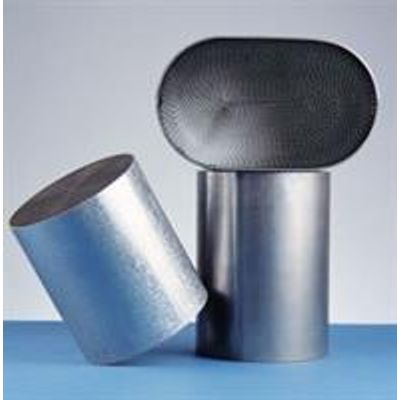
Blackthorn - Catalytic Converter Fulfils Substrates
The substrate of a catalytic converter fulfils a vital role in supporting the catalytic material, and at the same time must be capable of withstanding some extremely arduous conditions.
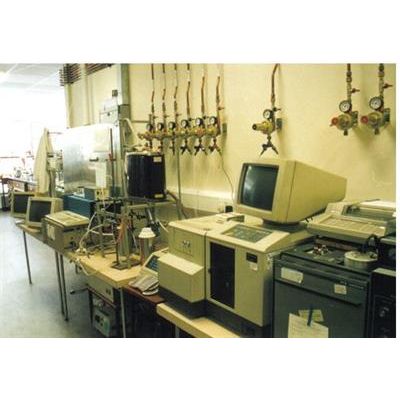
Blackthorn - Coatings
The coating of a catalytic converter can be considered as a chemical plant in miniature, where toxic gases are converted into non toxic ones.
Blackthorn - Diesel Oxidation Catalysts
The first thing to say about diesel engines is that they always run ‘lean’. One outcome of this is that the catalytic converter can only operate in a ‘two-way’ mode which means that it can oxidise carbon monoxide and hydrocarbons but will not be able to reduce NOx.
Diesel Particulate Filters
Blackthorn - Disposable Filters
Disposable diesel particulate filters do not require regeneration, they are simply thrown away when they are full of soot. This removes the problem of working out how to clean them, but they have several serious drawbacks which are often not made clear by their vendors:
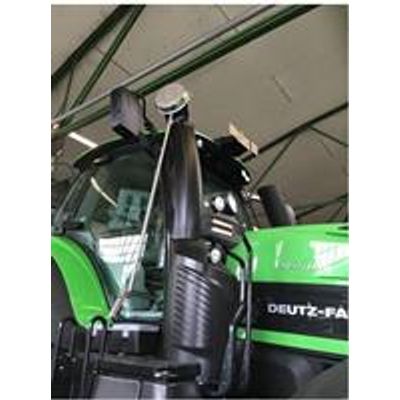
Blackthorn - Temporary Filters
In many situations, diesel exhaust gas only needs to have the particulate matter filtered out of it temporarily. A prime example of this is where new diesel vehicles need to be driven out of the factory where they have been made. Other examples are where vehicles are driven into and out of workshops for servicing. The periodic testing of emergency generators and fire pumps is another area where temporary filtration is advantageous.
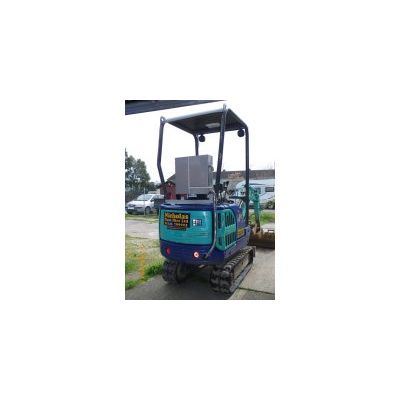
Blackthorn - Filters for Engines Under 20 kW
When installing a diesel particulate filter on a small engine, keeping things simple is top priority. For this reason we designed a unique system which uses electric heating elements to periodically burn off the soot which has accumulated in the filter elements. The filter is cleaned without the need for it to be removed from the machine first, and the cleaning process is started manually by the driver. The electrical power for the cleaning is normally provided by a separate battery pack. The advantage of this approach is that it removes a lot of complexity and electronics, with the result that these systems are very compact as well as simple to install and service. Because they can work even with very cold exhausts, they are installed after the standard exhaust components and connected to the tailpipe using flexible exhaust hose.
Blackthorn - Filters for Engines from 20-560 kW
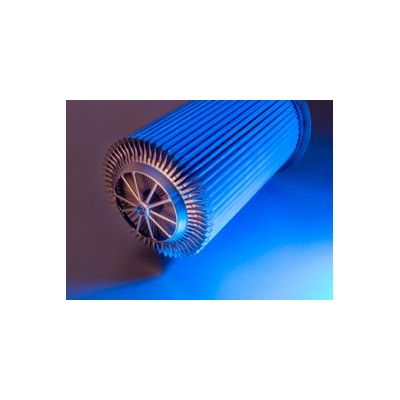
A lot of development work has been carried out on retro-fit diesel particulate filters for engines with a power output in the range of 20-560 kW. The result is that very sophisticated systems are available in modular form at surprisingly low prices. The best systems operate without any driver involvement, and although they are complex, they are also very reliable since they have been tried and tested by thousands of customers already.