

Campbell Environmental Group, Inc. (CEG) services
Brownfields Redevelopment
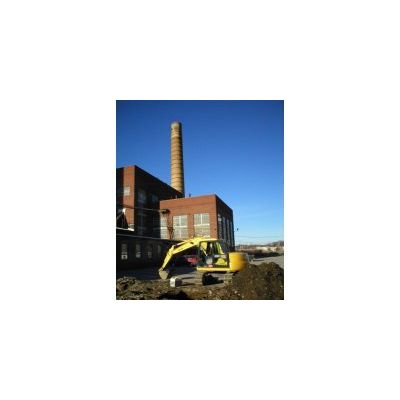
The Purpose of Brownfields Redevelopment is to expand, redevelop, or reuse a property which may be complicated by real or perceived environmental contamination. The Brownfields Program provides communities with financial assistance in assessing potential environmental impacts and the associated cleanup through US EPA funded grants. CEG can assist municipalities in the grant application process and has conducted numerous Brownfields environmental assessments at sites throughout Maine.
Permitting & Compliance Support
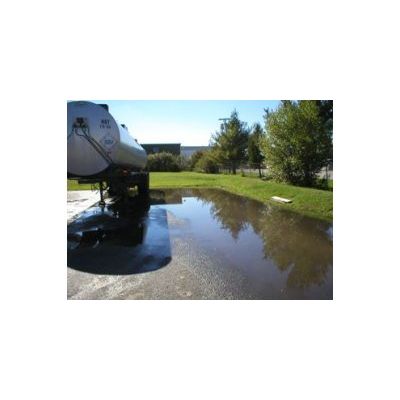
Campbell Environmental Group has assisted numerous private companies in maintaining compliance with state and federal regulations. CEG provides inspection auditing and consulting services and also prepares plans and permits. CEG emphasizes best management practices that allow our customers to remain in compliance with the most current regulations.
Storage Tank Removals
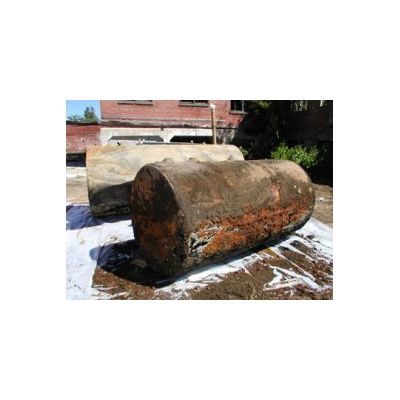
The Campbell Environmental Group staff have supervised the removal or abandonment of hundreds of underground storage tanks. CEG staff are familiar with state regulations and can monitor and report on the remedial actions and assist customers in remaining remain compliant with these regulations. CEG prepares tank closure reports to fulfill the requirement outlined in Chapter 691 Appendix P. CEG is also well versed on the state insurance fund programs and can assist in obtaining reimbursement for our customers from these funds. In the event that contaminated soil or groundwater is encountered during the tank abandonment or removal, CEG has extensive remediation experience to reduce environmental hazards cost effectively.
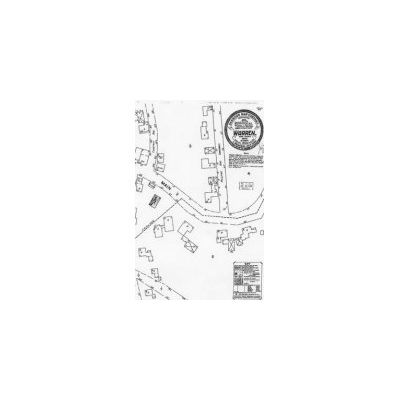
Phase I Environmental Site Assessments
The purpose of a Phase I ESA is to research historical and current land use at the site and immediate surroundings and evaluate the potential environmental impacts that may be associated with the site`s current conditions. A Phase I ESA is typically performed prior to a real estate transfer. Campbell Environmental Group has prepared numerous Phase I Environmental Site Assessments (Phase I ESA) for various customers such as the State of Maine Department of Environmental Protection, Department of Transportation, municipalities, banking institutions, commercial businesses, and private individuals.
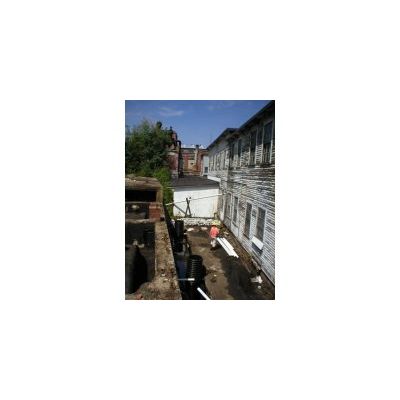
Remedial Investigations and Feasibility Studies
Campbell Environmental Group personnel have been responsible for the design, construction, operation, or maintenance of 36 soil vapor extraction systems, 20 groundwater treatment systems, 35 liquid -phase recovery systems, nine air sparge systems, six bioremediation systems, 36 soil excavation and removal projects, two oxidation systems, and one in-situ metal reductant system. CEG researches new technologies and has the engineering and technical capabilities to design and implement innovative remedial alternatives. To ensure a higher probability of success, it is CEG`s practice to pilot test a remedial technique prior to installing the selected remedial system. The success or failure of the pilot test is integral in establishing the likelihood of success for a remedial alternative and also minimizes the potential cleanup costs.
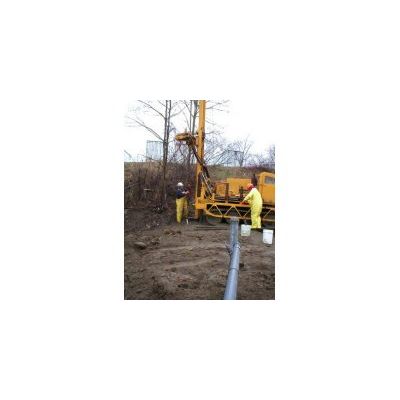
Remediation Services
Campbell Environmental Group personnel have been responsible for the design, construction, operation, or maintenance of 36 soil vapor extraction systems, 20 groundwater treatment systems, 35 liquid -phase recovery systems, nine air sparge systems, six bioremediation systems, 36 soil excavation and removal projects, two oxidation systems, and one in-situ metal reductant system. CEG researches new technologies and has the engineering and technical capabilities to design and implement innovative remedial alternatives. To ensure a higher probability of success, it is CEG`s practice to pilot test a remedial technique prior to installing the selected remedial system. The success or failure of the pilot test is integral in establishing the likelihood of success for a remedial alternative and also minimizes the potential cleanup costs.
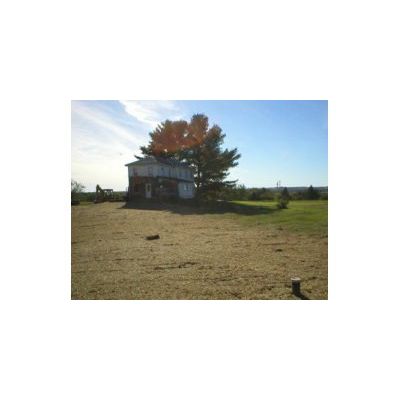
Phase II Environmental Site Assessments
A Phase II Environmental Site Assessment (Phase II ESA) is an investigation of soil, groundwater, surface water, sediments, and occasionally bedrock or indoor air. The purpose of a Phase II ESA is to evaluate potential source areas of contamination, determine the extent of potential contaminant migration from the source areas, and determine if sensitive receptors are impacted. Campbell Environmental Group staff have performed over 150 Phase II ESAs for private companies and state and federal agencies. We have investigated a wide variety of sites where many types of industries have operated.
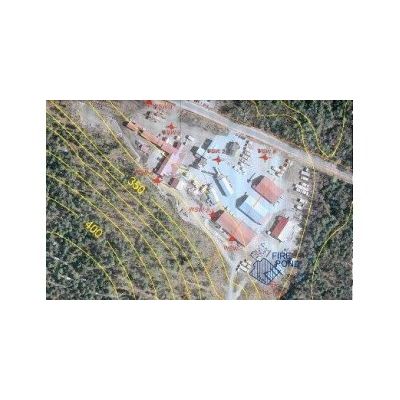
Site Closure
Campbell Environmental Group personnel have managed numerous sites to regulatory closure in the states of Maine and New Hampshire. Our site closure experience demonstrates our knowledge of applicable state regulations, guidance manuals, and closure procedures. The following is a description of some of the standard regulatory closure programs.
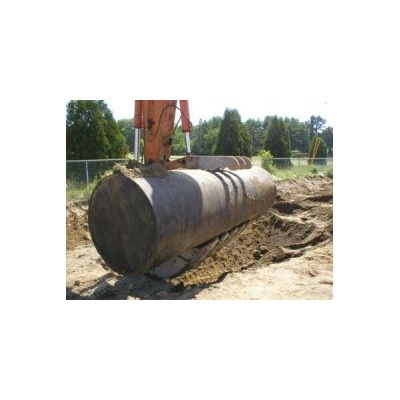
Storage Tank Removals - Trucking Facility
Campbell Environmental Group supervised the removal of a 1,000-gallon capacity, concrete, underground structure, from a trucking facility in southern Maine. Following the removal of the structure, CEG completed Phase I and Phase II ESAs at the site. The concrete structure acted as an oil/water separator for storm water collected from two catch basins located adjacent to a fuel pump island and a 12,000-gallon diesel fuel aboveground storage tank. The structure allowed storm water to discharge to a wet area that drained into a detention pond. The purpose of CEG`s work was to remove the concrete structure from the subsurface and assess any adverse impacts from the storm water to the surrounding soils and groundwater.
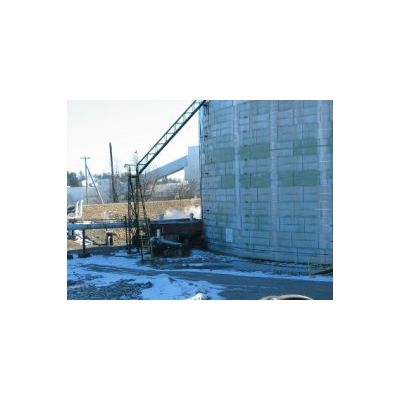
Site Closure - Marine Oil Terminal
Campbell Environmental Group closed an aboveground storage tank that had operated under a Maine Department of Environmental Protection (Maine DEP) Oil Terminal Facility License since 1979. The tank, which was located at an oil terminal, was a 146,000-barrel #6 fuel oil above ground storage tank, constructed in 1946-1947. The purpose of this work was to remove the tank from service, prior to the expiration of a property lease between the property and tank owner and to obtain site closure from the Maine DEP. This tank utilized a piping system to transfer #6 fuel oil from the tank to a rail loading line, a sulfur blender building, a truck loading rack, and a boiler house.