


- Home
- Companies
- CD Formulation
- Articles
CD Formulation articles
Lyophilization, or freeze drying, is used to stabilize pharmaceutical formulations and increase shelf life by removing water from pharmaceutical products. During the freeze-drying process, the drug formulation is initially subjected to freezing, followed by ice removal through sublimation under vacuum in the primary drying stage. A secondary drying stage is then used to remove the unfrozen water molecules at a higher temperature than the primary drying. The drug freeze-drying cycle is designe
Drug solid-state research aims to use systematic experimental protocols and advanced solid-state characterization methods to select solid forms (such as polymorph, salt and cocrystal) with the most overall advantages (including stability, bioavailability, process development, etc.). The solid-state characterization is a necessary means to understand the nature of crystal forms and explain the formati
Microspheres are microscopic spherical particles with applications in various fields, including drug delivery, diagnostics, and materials science. One of the key challenges in their preparation is the control over size and shape. Traditional methods often lack precision, making it difficult to achieve the desired characteristics. This is where microfluidic technology comes into pl
Cosmetics play a significant role in our daily lives, with millions of people using them to enhance their appearance or maintain their skincare routine. However, the safety of these products should always be a top priority. To ensure the safety and quality of cosmetics, thorough toxicological evaluation, and physical and chemical testing are crucial steps in the development and manufacturing process.
Pharmaceutical analysis is a form of using all chemical, physical, biological, microbial and other means and methods to study the chemical properties of drugs. During the testing process, the stability of the drug itself, biological components and clinical drug use must be considered. With the continuous development of high technology, the rapid analysis and detection technology of modern drugs has also been continuously improved.
Chromatography technology is a rapid detection met
Pharmaceutical analysis is the application of analytical chemistry in pharmacy. It is a "method science" for the research and development of drug quality control. It mainly uses chemical, physical-chemical, or biochemical methods and techniques to study chemical structures that have been clarified.
UV-Vis Absorption Detector
Ultraviolet-visible detector (UVD) is one of the most widely used detecto
High performance liquid chromatography (HPLC) has become an essential technique in pharmaceutical analysis for the separation, identification, and quantification of pharmaceuticals. Due to its high resolution and sensitivity, it is used for testing drug purity, monitoring degradation, studying pharmacokinetics, and examining drug stability. With recent advances in instrumentation, the technique has become more efficient in terms of separating multiple components and analyzing tricky
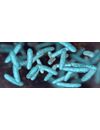
Microbial limit test is performed to determine whether drug products comply with an established specification for microbial quality. USP <61> and USP <62> for objectionable organisms are usually the guidelines for testing as specified by FDA requirements. In most cases, the microbial limit test covers the following three test items:
Total Aerobic Microbial Count
In this step, the
CD Formulation