

CETCO
43 Applications found

CETCO applications

Composite laminated GCLs offer puncture and tensile strengths beyond conventional geomembranes. These GCLs offer the low permeability of a geomembrane combined with the high swelling and self healing characteristics of a traditional GCL. With their ease of installation, cost-effectiveness and resilience to physical and climate issues, GCLs are often specified in canals, stormwater impoundments or wetlands to control seepage and conserve valuable water where native soils are too permeable.
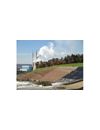
Geosynthetics are used in construction of various components of modern mining facilities, including process solution ponds, heap leach pads, stormwater containment, wastewater treatment ponds and closures. Harsh environmental conditions provide a challenge to engineers designing the projects. In addition, increasing environmental and cost pressures are requiring lining systems to achieve greater performance levels than ever. GCLs are rapidly becoming a desired component of mining liner systems because of the benefits they provide in cost effective construction, environmental compliance and process solution leak reduction. In weather-sensitive remote or high-altitude locations, GCLs offer far greater installation efficiencies than compacted clay.
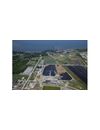
Coal combustion residuals (CCR) are generated during the power generation process and can include fly ash, bottom ash, boilerslag, and flue gas desulfurization (FGD) residuals. CCRs contain trace concentrations of heavy metals and therefore cannot be dumped or stored where rainwater can leach the metals. Liner systems can be used to contain the coal combustion by-products and protect them from leaching into the environment.
GCLs can be used for decorative ponds, golf course water features, fish ponds, water reservoirs, and wastewater lagoons. Their self seaming installation requires no specialized equipment, and their self-healing characteristics promote long life and high performance.
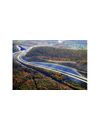
GCL can be used in highway and civil applications such as at airport de-icing facilities used to remove ice build up on the surfaces of planes. During the application process, glycol-based de-icing fluids can leak into local stormwater runoff, potentially causing pollution. CETCO GCLs were found compatible with de-icing fluid (glycol diluted 50/50 with water). GCLs can also be used to line roadway drainage swales for containment and prevent excessive percolation, thereby minimizing potential for groundwater contamination. Another example of using GCL in civil and highway applications is using the liner to contain acid rock and prevent runoff from entering the local water supply.
GCLs have become the gold standard clay component of composite lining systems used in industrial, hazardous and municipal solid waste landfills. Used alone or in combination with a geomembrane in a composite cover system, GCLs provide significantly lower permeability, improved ease of installation, an increased amount of usable space. In many cases GCLs are more cost-effective than traditional compacted clay liners. GCLs are also not subject to deterioration from differential settlement and freeze-thaw cycles, which can damage traditional compacted clay liners. Important design considerations for GCLs in landfill caps include confining pressure, and potential for ion exchange and desiccation.
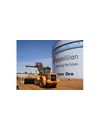
GCLs can be used around and underneath secondary containment above ground petroleum storage tanks. of above ground storage tanks and are easy to install. Installation details and penetrations are easily handled using simple installation techniques and can be quite cost effective.

MTI is the worldwide leader in Paper PCC, which is used as the filler of choice for papermakers worldwide to replace more expensive pulp. MTI continues to introduce new technologies to make greater use of Paper PCC, both in terms of higher percentage of Paper PCC used as a filler, and new applications for Paper PCC in packaging and coatings.

We are a global leader in the foundry market, driven by our penetration through substitution strategy, which enables foundries to reduce costs and improve quality.

The Global Leader in Handling and Treating Complex Water and Fluid Challenges. The Energy Services segment has, for decades, been the recognized leader in serving two major markets: Oil & Gas and Industrial Wastewater, providing innovative products, services and solutions, and handling and treating COMPLEX water and fluid challenges, cost effectively for their customers worldwide in 14 locations and 10 countries.