


- Home
- Companies
- CMP Impianti S.r.l
- Products
CMP Impianti S.r.l products
Cooling
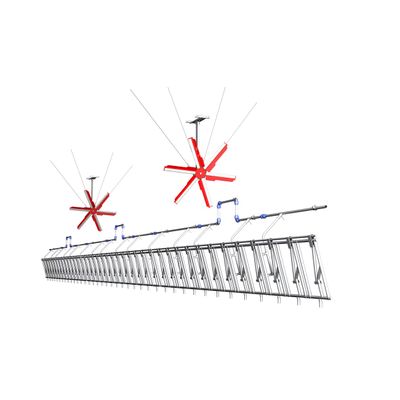
CMP - Traditional Cooling Systems
Ensuring optimal conditions for animals is paramount to their well-being and productivity, especially in periods of extreme heat. One effective method for cooling animals involves the strategic placement of traditional nozzles along their habitat, operating via a heavy droplet method. These nozzles emit water, promoting direct cooling through the evaporation process from the animals’ coats. This helps regulate their body temperature, mitigating the risk of heat stress. To further optimize the benefits of cooling solutions, it’s vital to integrate them with proper ventilation systems. Utilizing smaller-diameter fans strategically positioned around the animals enhances airflow, aiding in the dispersion of body heat. When combined with direct cooling methods, such as nozzle spraying, these fans contribute to maintaining a comfortable temperature in the surrounding environment. This comprehensive approach minimizes the risk of heat stress and promotes overall animal welfare.
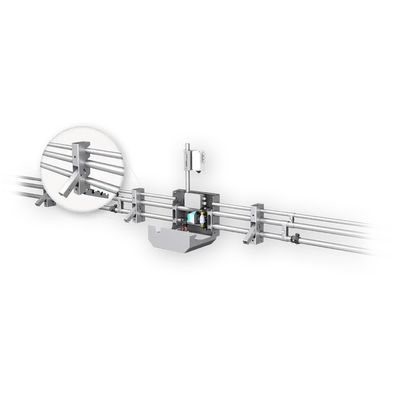
CMP - Model WCU - Radar-Assisted Cooling Systems
Utilizes advanced radar technology to enhance cooling efficiency and optimize resource usage. Equipped with sensors capable of detecting animal presence with high accuracy, ensuring precise activation of cooling mechanisms. Offers a more sophisticated approach to water management, reducing wastage even further compared to traditional systems. Designed for seamless integration and easy installation, providing precise control over water flow and durability against environmental factors.
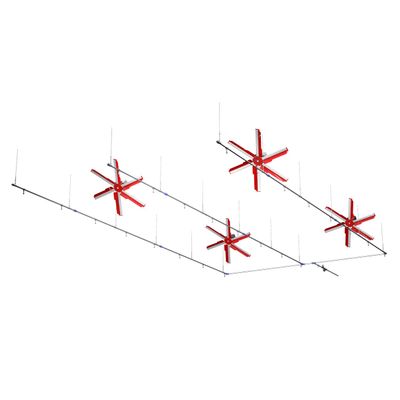
CMP - Fans and Heavy Droplet Cooling Systems
Introducing fans and heavy droplet cooling systems in the waiting area for cows before milking is a crucial practice for the welfare and productivity of your herd. Let’s delve into why these systems are essential and how they improve the environment for cows, optimizing milk production. In the waiting area, cows are packed closely together, leading to the production of additional body heat. This rise in body temperature can cause heat stress and discomfort to the animals, negatively impacting milk production and their overall well-being.