


Cognition Land and Water Ltd services
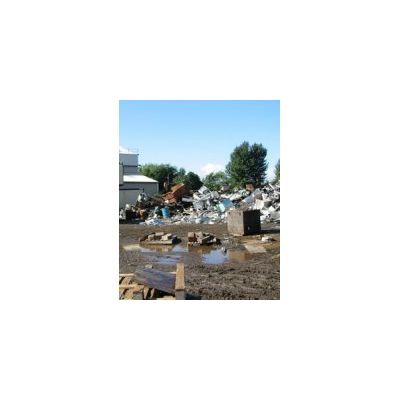
Remediation Technologies - Contaminated Land
The term "contaminated land" is defined in the Environmental Protection Act 1990. It refers to the presence of polluting substances on a site (usually in the soil) in certain concentrations above background levels, which may cause harm (directly or indirectly) to humans, animals, vegetation or structures.
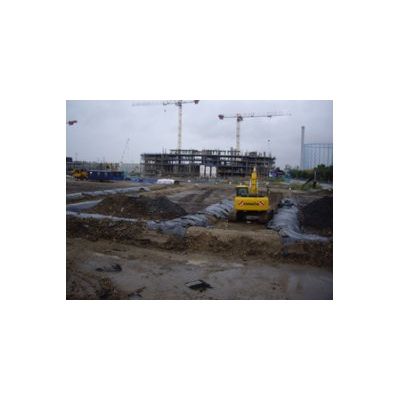
Remediation Technologies - Bioremediation
Bioremediation is the treatment of contaminated material involving the natural degradation of contaminants by bacteria. This process is particularly suitable for hydrocarbon contaminants such as petrol and diesel range organics. The rate of decomposition can be greatly increased by the addition of nutrients and by controlling moisture, temperature, oxygen and ph levels.
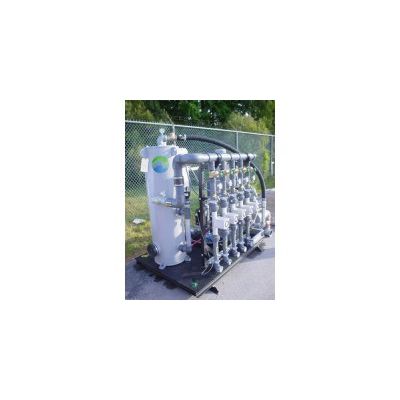
Remediation Technologies - Soil Vapour Extraction (SVE)
Soil vapour extraction is an established technology for the in-situ and ex-situ remediation of volatile organic compounds (VOC’s) in soils. The process removes soil vapour contaminated with VOC’s and generates a mass transfer of VOC’s from the soil pores to the vapour phase. A high percentage of petroleum hydrocarbon contaminant reduction in SVE schemes is achieved by enhanced biodegradation. The introduction of oxygen to the formation can replace the depleted oxygen used by indigenous aerobic bacteria and encourage a population growth. Optimisation of a soil vapour extraction scheme for bio-venting can result in effective remediation of less volatile compounds such as those associated with diesel, kerosene or heavier oils.
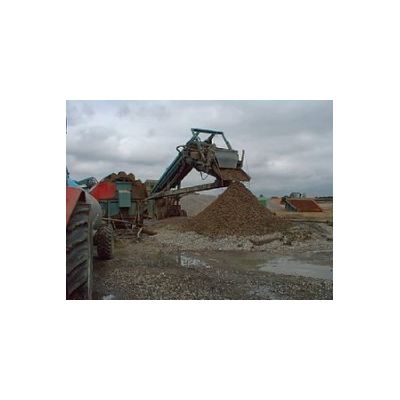
Remediation Technologies - Soil Washing
Effective on a range of contaminants for granular or coarse grained material, soil washing works on the principle that contamination forms a surface coating on particles. Soils of different particle sizes are separated before treatment using a variety of processes such as high pressure washing, attrition scrubbing and fines flocculation. Granular material, once treated, can be processed and eventually re-used on site. As a result, only relatively small amounts of fine grained material, in which contaminants are more heavily concentrated, require removal off-site.
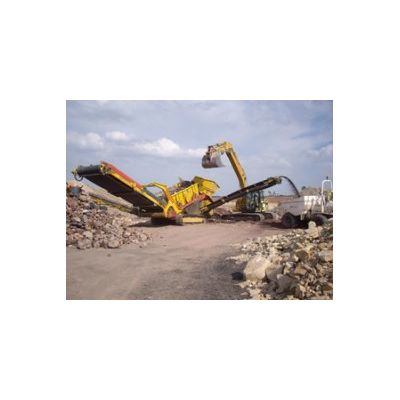
Remediation Technologies - Soil Treatment
Soil treatment can form a large part of a remediation project, some of which is addressed in soil stabilisation and bioremediation but another treatment can be careful segregation of the excavation in order to reduce the amount of hazardous material needing treatment. By screening the material where appropriate, the oversize elements can be crushed down to reduce the volume and potentially avoid more expensive treatments. Through controlled treatment the encapsulation and removal of asbestos can be achieved.