

Conservation International services
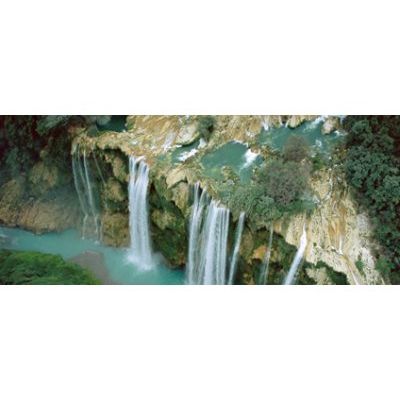
Safeguarding Fresh Water
Yet, merely 3 percent of the water on Earth is fresh — and most of that is locked up in glaciers or deep underground. Imagine all of the world"s water — oceans, rivers, lakes, glaciers — was represented by something the size of a standard globe; its fresh water would be just a marble-sized drop. Fresh water also harbors the greatest concentration of life on Earth — greater than either terrestrial or marine biomes. Though it covers less than a fraction of 1 percent of the Earth"s surface, fresh water provides habitat for more than 10 percent of known animals and about one-third of all known vertebrate species. And, more than 40 percent of all fish species are found in fresh water — even though it is, relatively speaking, a drop in the bucket
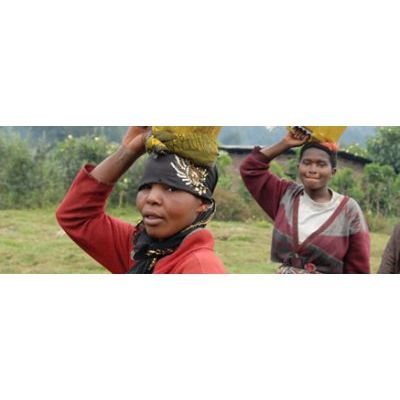
Freshwater Strategy
Freshwater ecosystems provide essential services for human populations and are home to the greatest concentration of biodiversity on Earth.
However, the world’s freshwater ecosystems and their myriad of species are being abused and degraded due to depletion of water supplies, pollution of what remains, unsustainable harvest of species, the introduction of alien species and changing climate.
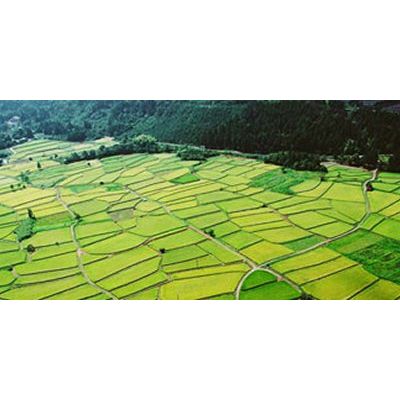
Developing Responsible Land Use
“We do not inherit the land from our ancestors; we borrow it from our children.” This Native American proverb reflects the debt we owe the next generation to ensure that the Earth provides for their needs as bountifully as it provides for ours. It requires that we make responsible decisions in how we use the land and that we are innovative in our methods.For more than 20 years, we’ve been advocating for and helping to implement successful land-use planning and approaches around the world. This includes traditional conservation options like establishing protected areas to multiple-use and private stewardship by communities, individuals, and corporations. Land-use done wisely and with care can meet inter-dependent conservation and development needs.
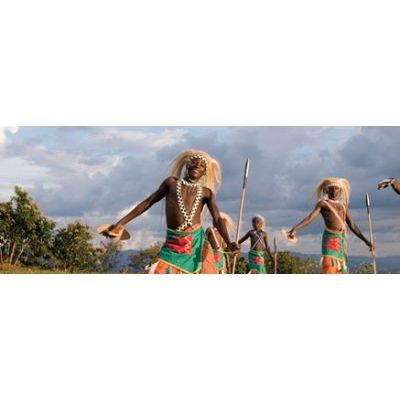
Cultural Services
The Millennium Ecosystem Assessment defines human well-being as all of the elements one needs to have a "good life," including both the basic needs for survival (such as food, water and shelter) and cultural, spiritual and personal needs. These latter "cultural services" are a valued element of what nature provides to humanity. Examples include