Contec S.A.
- Home
- Companies
- Contec S.A.
- Products
3 products found
Contec S.A. products
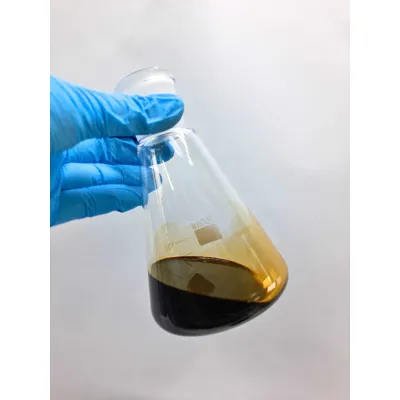
Contec - Model ConPyro - Recovered Tire Pyrolysis Oil
Contec's Recovered Tire Pyrolysis Oil, known as ConPyro®, is a high-quality, eco-friendly product derived from the pyrolysis of end-of-life tires (ELTs). Unlike traditional crude oil, this thick, dark liquid contains over 50 percent aromatic hydrocarbons, a significant portion of which are bio-based due to the natural rubber content in tires. The pyrolysis process involves heating rubber granulate to up to 550°C in specially designed two-stage auger reactors, converting more than 60 percent of rubber mass into gaseous products, which then condense into ConPyro® oil. This recovered oil serves as a versatile circular feedstock for various industries, including chemical, oil & gas, refineries, plastics, and fuel additives. At Contec, the entire manufacturing process is subjected to stringent quality controls and rigorous testing, ensuring optimal conditions and high standards. Continuous R&D, often in collaboration with Warsaw University of Technology, drives innovations in the pyrolysis process. Contec places a high premium on safety, employing advanced safety protocols, automated systems, and regular training to mitigate risks. The company's operations are geared towards sustainability, aiming for 100 percent recycling of ELTs to reduce carbon emissions and minimize material waste. Contec is committed to providing circular solutions that support manufacturers in achieving Net Zero targets.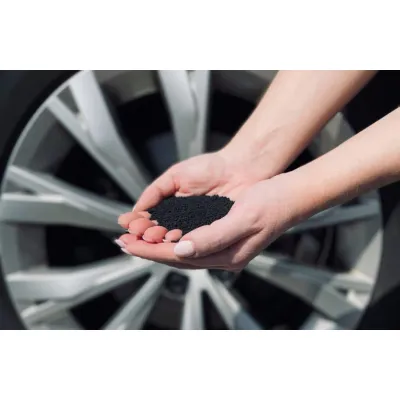
Contec - Model ConBlack - Recovered Carbon Black
Recovered Carbon Black (rCB) from Contec represents a sustainable innovation in the processing of end-of-life tires (ELTs). As a key player in the tire pyrolysis industry, Contec's rCB is a high-quality processed solid residue resulting from the pyrolysis of ELTs, delivering a product that meets various grades of virgin Carbon Black (vCB). The meticulous process begins with tire shredding and proceeds through unique pyrolysis and post-treatment steps to ensure consistent quality. Despite containing 20% fewer carbonaceous materials than vCB due to mineral content, Contec's rCB maintains impressive in-rubber performance, mirroring several vCB grades widely used in tire manufacturing. Notably, rCB boasts an 80% lower carbon footprint compared to vCB, underscoring its environmental benefits. This shift is crucial as the industry increasingly pivots towards more sustainable production methods. Technical applications span across tire, paint, plastic, and rubber goods manufacturing, making it a versatile choice. Contec ensures stringent quality control throughout the process, supported by in-house laboratory testing and a dedicated team of engineers and technicians committed to preventative maintenance and safety. The continuous innovation and collaboration with technological institutions such as the Warsaw University of Technology fortify Contec's advancements, aligning with their mission to reduce carbon emissions and recycle 100% of ELTs processed.