

Current Water Technologies Inc. (CWTI) products
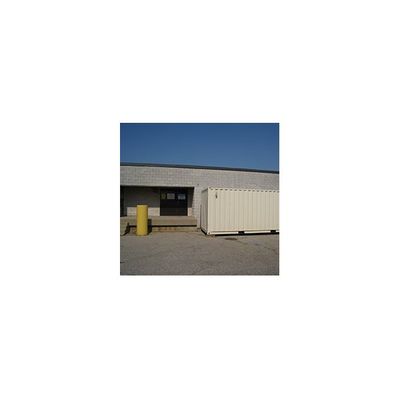
Current Water - Electro Static Deionization System (ESD)
Electro-Static Deionization (ESD) for the Removal of Total Dissolved Solids (TDS). Electro-static deionization is a proven electrochemical process that effectively lowers the concentration of total dissolved solids (TDS) in water. ESD is a cost effective system that utilizes the principles of capacitive deionization based on the company’s patented technology. Water containing arsenic, nitrate, fluoride, perchlorate, ammonia, sulfate, metals or other ionic compounds can be treated using capacitive deionization.
Ammonia Removal Technology - AmmEL

AmmEL - Treats Ammonia Contaminated Water
Current Water Technologies` patented AmmEL systems represent cost effective and environmentally sound treatment processes for the removal of dissolved ammonia from industrial and municipal water including wastewater, storm water, sewage effluent and mine waste water. At the core of the AmmEL system is its proprietary self-cleaning electrochemical reactor that converts total ammonia directly to gaseous nitrogen without producing the carcinogen nitrate and the greenhouse gas nitrous oxide. Responsible management of ammonia will inhibit the proliferation of algae and improve water quality of receiving water bodies.
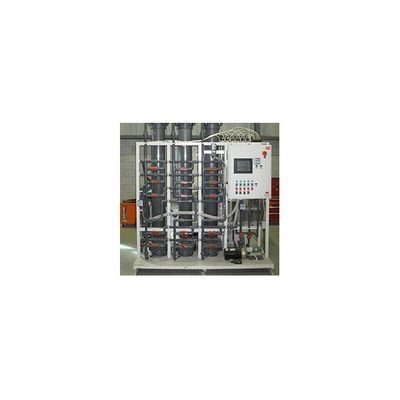
AmmEL-LC - Lower Concentrations Ammonia Removal System
Effective in reducing the ammonia concentrations from storm water, industrial and municipal wastewater systems. Current Water Technologies’ AmmEL-LC technology is proven effective at reducing inlet ammonium levels in the effluent water at municipal and industrial (ie. mining, chemical and fertilizer industries, etc.) sites to below the effluent ammonium limits. Current Water Technologies` research team has developed, and proven the efficacy of, a natural ion exchange material capable of maintaining high ammonium removal rates while precluding the absorption of calcium, magnesium and strontium ions. The enhanced ion exchange material minimizes the adsorption of calcium, magnesium and strontium during the treatment of waste water while maintaining a high rate of ammonium removal.
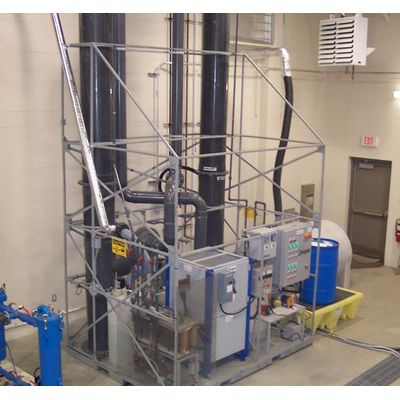
AmmEL - Model HC - Higher Concentrations Ammonia Removal System
An advanced technology that is well suited for treatment of municipal and industrial wastewater, storm water as well as contaminated groundwater. Municipal wastewater treatment plants can employ AmmEL-HC after sludge dewatering processes to prevent ammonia toxicity to the activated sludge process. It is an excellent complimentary system for treatment facilities during cool weather conditions when nutrient removal in biological reactors slows down. With a high removal rate immediately upon startup, it is able to divert excess loading from existing activated sludge processes during acclimation periods or system upsets.
Other Technologies
NitrEL - Direct Nitrate Conversion to Gaseous Nitrogen
The NitrEL system is an electrochemical water treatment process that reduces nitrate concentrations in contaminated drinking water, groundwater and industrial process wastewater streams by converting the nitrate directly to environmentally friendly N2 gas. NitrEL has been designed for in situ and ex situ applications. The in situ system utilizes a "fence" of electrodes inserted into the contaminated aquifer. Conversion of dissolved nitrate to gaseous nitrogen occurs as nitrate-laden groundwater passes through the fence. For ex situ applications, the NitrEL system is often used in combination with the ESD system to treat the concentrate stream.
AmdEl - Prevention of Acid Mine Drainage (AMD)
AmdEL reduces the requirement for leachate treatment by attacking the formation of AMD at the source. The AmdEL system is an electrochemical system that prevents the oxidation of sulphide minerals in tailings or waste rock, in situ, thus preventing the formation of AMD.
ExtrEL - Metals Recovery Enhanced Leaching
A new hydrometallurgical alternative for the recovery of metals from sulphide tailings and ore. The ExtrEL system enhances the oxidation of sulphide minerals and the subsequent solubility of metals of economic interest.