CUSS Chriwa Umwelt-Systemtechnik und Service GmbH
12 products found
CUSS Chriwa Umwelt-Systemtechnik und Service GmbH products
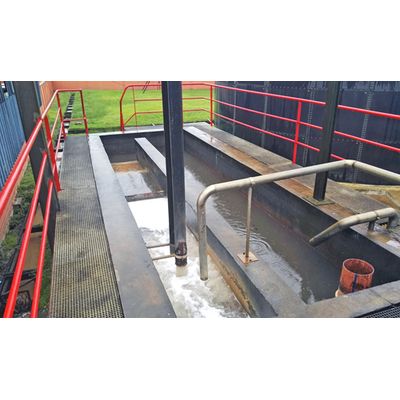
Mechanical pretreatment
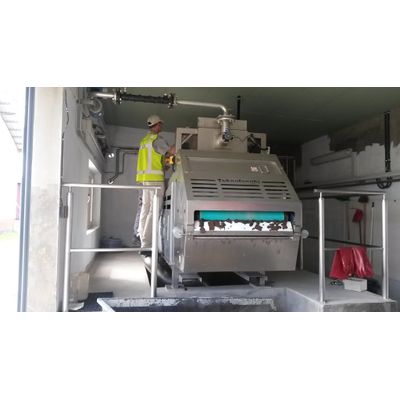
Pump sump, Coarse sieves. Oil separator, Sand separator, Drum and curved screens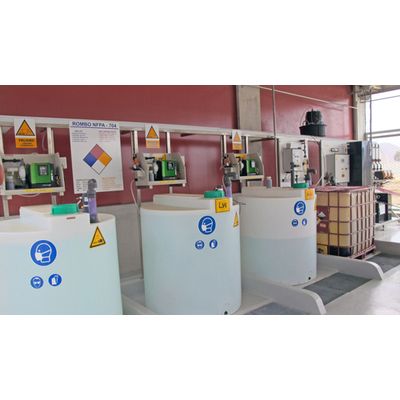
Dosing
Many different technologies are used in wastewater technology. To achieve optimal results, it may be necessary to condition the wastewater in different ways. The most common additives and their function are listed below. Acid and base, Flocculants and flocculation aids, Nutrients, Defoamer, Disinfectant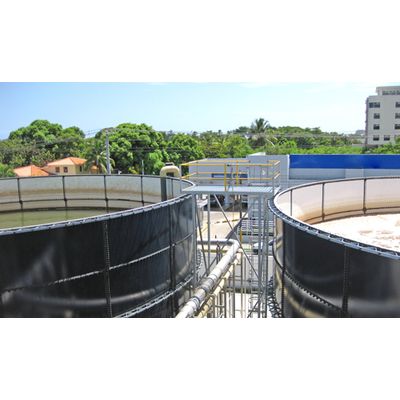
Equalisation Basin
Equalisation basin The characteristics of industrial wastewater in particular are subject to strong fluctuations during the course of the day. Production-dependent flushing processes, among other things, can cause significant changes in the volume, pH value, temperature and organic load of the wastewater over the course of the day. To cushion these extreme values, the waste water is first collected in mixing and equalisation tanks and actively aerated with submersible motor, surface or membrane pressure aerators. In downstream anaerobic processes, aeration is dispensed with and the wastewater is merely homogenised with top- or side-entry agitators. A possibly necessary conditioning of the wastewater for subsequent process steps is also possible (e.g. pH-adjustment or heating).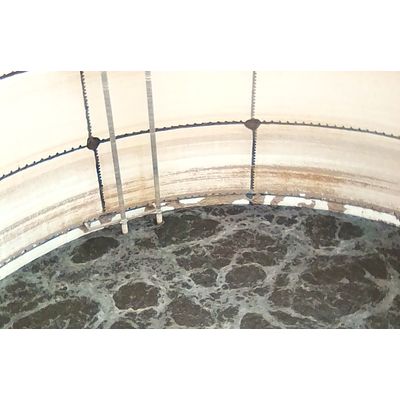
Emergency tank
At production sites where particularly strong temporary fluctuations in the load of the waste water are possible, the equalisation basin can be extended by an emergency tank. Waste water with a particularly high load or strongly deviating properties is not directed into the equalisation tank, but into the emergency tank with the help of automated measurements in the inflow. Once the inflow values are within the norm, the heavily loaded wastewater stored in the emergency tank is successively fed into the equalisation tank. This prevents the plant from being overloaded by temporary peak loads and ensures a qualitatively and quantitatively homogeneous inflow into the plant.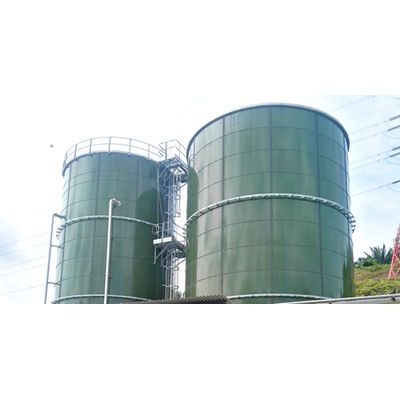
Anaerobic biological processes
CSTR (Continuously Stirred Tank reactor), UASB (Upflow Anaerobic Sludge Blanket) reactor, EGSB (Expanded Granular Sludge Bed) reactor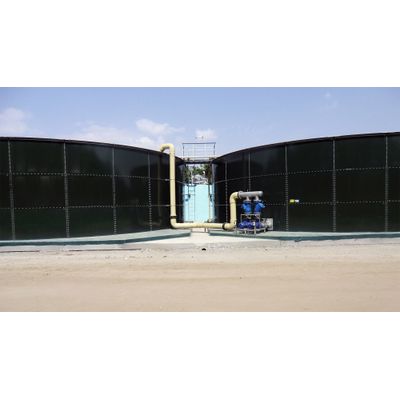
Aerobic biological processes
Activated sludge tank,SBR (Sequencing Batch Reactor), Biological phosphorus elimination, Nitrification and denitrification, MBBR (Moving Bed Biofilm Reactor), Rotating disk immersion reactor (RSR), Trickling filter reactor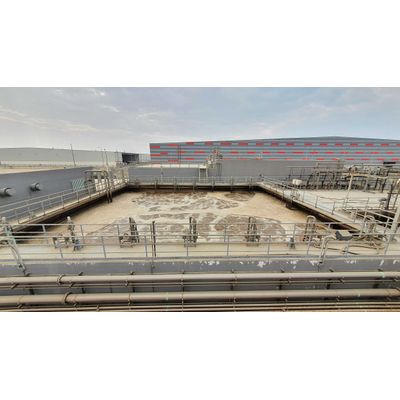
Membrane technology
MBR (Membrane Bioreactor)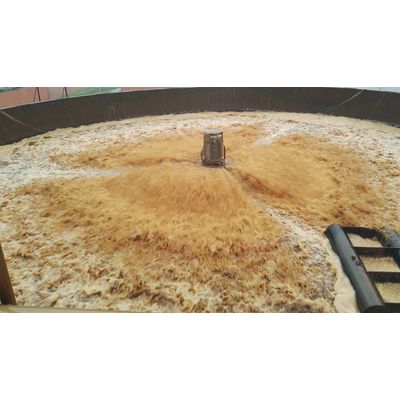
Aeration systems
Membrane pressure aerators, Submersible aerators, Surface aerators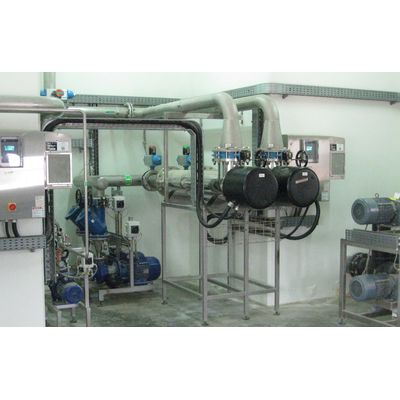
Disinfection
During the disinfection of the treated wastewater, remaining bacteria and germs are killed. This fulfils particularly high demands on the biological quality of the wastewater. Under certain circumstances, treated and disinfected wastewater can also be reused as process water. This wastewater recycling can significantly reduce the fresh water consumption of the production site. Especially in water-scarce regions, wastewater recycling is not only ecological but also economical. There are many options for wastewater disinfection. The most cost-efficient and widespread methods in wastewater treatment are chlorination and UV irradiation.