


Custom Valve Concepts products
Kates - Flow Control Valves
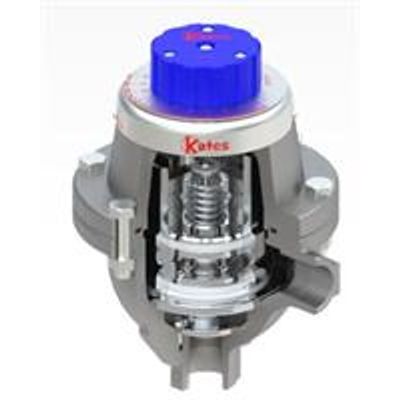
Kates - Model FC - Automatic Flow Rate Controllers
The flow rate through an orifice is proportional to the size of the restriction and the differential pressure across it. Regardless of upstream or downstream pressure fluctuations, the internal regulating valve will maintain a constant pressure drop across the adjustable orifice to deliver the set flow rate. In gas applications, variations in upstream pressure and temperature should be minimized due to the compressibility of gases and the corresponding changes in density.
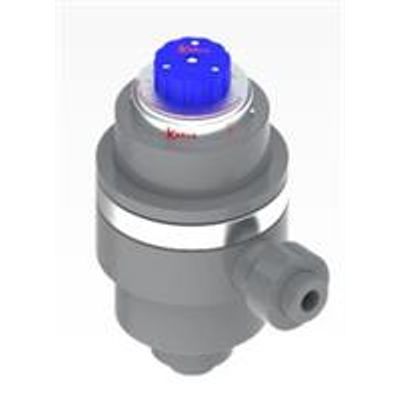
PVC Automatic Flow Rate Controller
The PVC flow rate controller works under the same basic principle as the stainless steel unit. PVC construction makes the unit ideal for use with corrosive mediums where stainless steel is incompatible. The Kates PVC Flow Rate Controller is available with flow ranges from .05 GPM to 25 GPM (.19 to 94.6 LPM). The flow rate through an orifice is proportional to the size of the restriction and the differential pressure across it. By combining an adjustable orifice with an internal regulating valve, the Kates controller will maintain a constant pressure drop across the metering orifice.
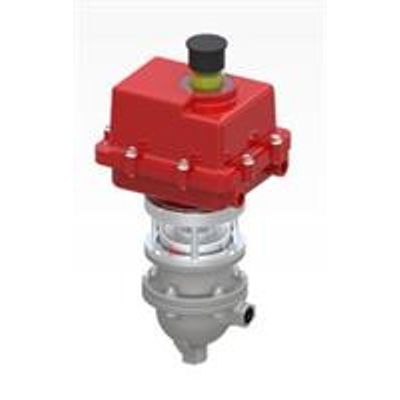
I/Q Valve
Regardless of pressure fluctuations, the Kates I/Q valve will control the flow rate proportional to the 4 - 20 mA input. Flow output is perfectly linear to signal input. By internally controlling the differential pressure across an adjustable orifice, flow control is maintained to within 1-1/2% of setpoint. Each valve is custom built to customer specifications and application requirements. The I/Q valve is shipped completely assembled and tested and requires no field calibration. It is provided with flow data for field personnel to tune their instruments to the I/Q output. The valve is flow tested at 33 different operating settings to ensure the accuracy of the system.
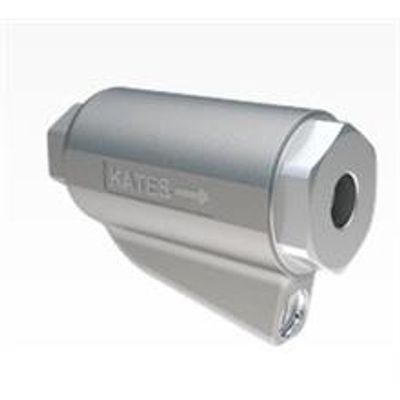
Flo-Miser - Flow Rate Controller
The Flo-Miser combines a characteristic needle valve with an internal differential pressure regulating valve. By controlling the pressure drop across the adjustable orifice, the flow rate will always remain constant. Since the control portion immersed in the fluid is controlling response time to pressure variations is immediate and hunting and oscillation is eliminated. Easily adjust your flow setpoint by turning the micrometer-like needle valve adjustment. Once set, the Flo-Miser will control your flow accurately, regardless of changes in your process.
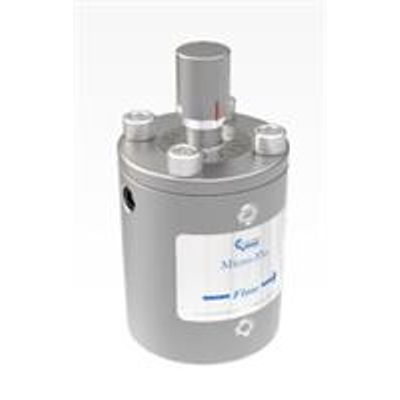
Kates Micro-Flo - Needle Valve
The Micro-Flo combines a characterized needle valve with an internal differential pressure-regulating valve. By controlling the pressure drop across the adjustable orifice, flow rate will always remain constant. Since the control portion is immersed in the fluid it is controlling, response time to pressure variations is immediate and hunting or oscillation is eliminated. Easily adjust your flow setpoint by turning the micrometer-like needle valve adjustment. Once set, the Micro-Flo will control your flow accurately, regardless of changes in your process.
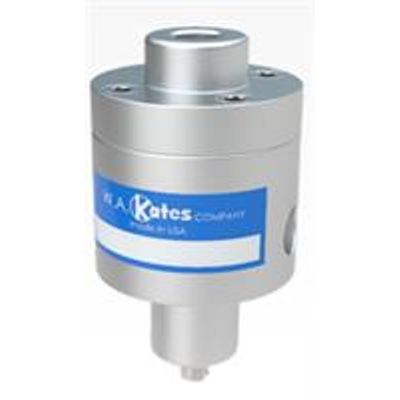
Mini-Flo - Automatic Flow Rate Controller
The Kates Mini-Flow regulator maintains flow at the set rate, regardless of the variations in either supply or discharge pressure, by holding a constant pressure drop across the metering orifice.
Automotive Paint Products
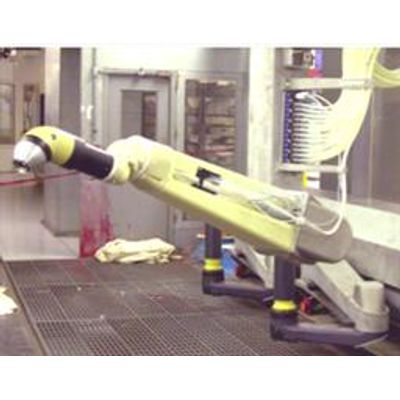
Paint Color Changers
Cars are painted at a rate of 1 vehicle per minute. The paint is applied with an electrical charge in the tens of thousands of volts. The environment is extremely hazardous and the solvents are getting more and more aggressive every year. The paint being applied is thixotropic, meaning that it must stay in motion or it will be impossible to control.
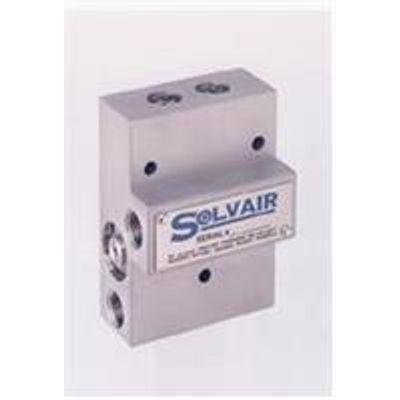
SolvAir - Solvent Block
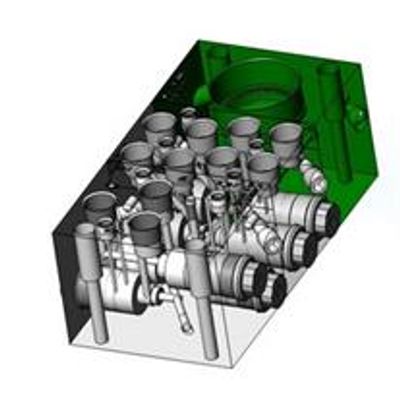
On average most Automotive assembly plants produce vehicles at a rate of one vehicle per minute. Whenever possible they group the colors so that they do not have to clean the paint lines as often from red to white to blue, etc. A typical robotic painting system can use over 500cc of solvent per color change. This cleaning process can take as long as 30 seconds.
Pressure Regulators
Automotive paint applications are very difficult for pressure regulators. At a rate of one vehicle per minute these regulators must compensate for dramatic operation swings as the colors change from vehicle to vehicle. With each color change the pressure regulator will see a considerably different flow, viscosity and density and must be able to control pressure accurately regardless of these changes.
Paint Valves
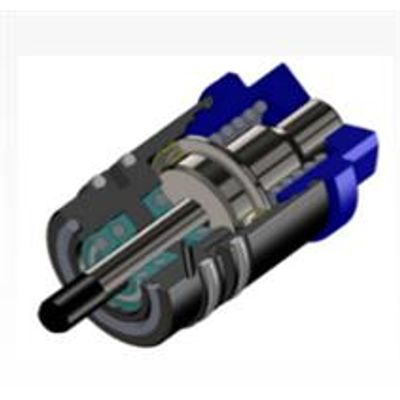
With some automotive plants producing cars & trucks at a rate of over 1 vehicle per minute, many paint valves can actuate over 2 or even 3 million cycles per year. These days auto plants use harsher solvents and extremely expensive and abrasive paints to achieve the amazing paint finishes they are producing. A worn out or leaking paint valve can wreak havoc in a paint shop. Whether it is controlling paint, solvent or air, a failed paint valve cannot be tolerated. It must be changed out… and with as little downtime as possible.