

Daico Water Management products
Water Treatment Systems
DAICO - Nano-Filtration System
Nanofiltration, in concept and operation, is much the same as reverse osmosis. The key difference is the degree of removal of monovalent ions such as chlorides. Reverse osmosis removes the monovalent ions at 98-99% level at 200 psi. Nanofiltration membranes’ removal of monovalent ions varies between 50% to 90% depending on the material and manufacture of the membrane. For this reason, there is a variety of Nanofiltration membranes available. Each type is particularly suited to a certain application and may not be acceptable to a different application. Nanofiltration membranes and systems are used for water softening, food and pharmaceutical applications.
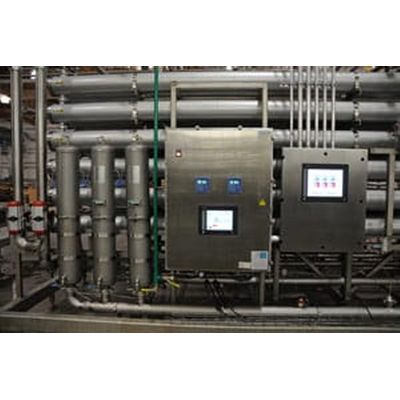
DAICO - Reverse Osmosis Systems
RO is based on the process of osmosis. Osmosis involves the selective movement of water from one side of a membrane (a plastic film that looks similar to cellophane) to the other. To make the process work, pressure is applied to the contaminated water, forcing water through the membrane. Since contaminants do not move with the water as it moves across the membrane, purer water collects on the other side of the membrane. The purified water that accumulates on one side of the membrane can then be used or stored. A specific amount of pressure is necessary to separate purified water and contaminants. This required pressure is based on the type and concentration of contaminants in the water. Supplying even more pressure to the contaminated water than is required provides better separation and a higher production rate.
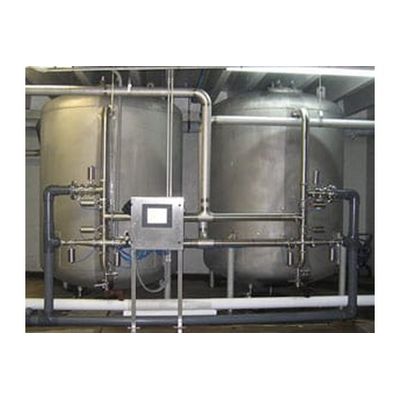
DAICO - Activated Carbon Filtration System
Carbon filtering uses a piece of activated carbon to remove contaminants and impurities through chemical adsorption. Each piece of carbon is designed to provide a large section of surface area, in order to allow contaminants the most possible exposure to the filter media. One pound (454g) of activated carbon contains a surface area of approximately 100 acres (1 km²/kg).[1] This carbon is generally activated with a positive charge and is designed to attract negatively charged water contaminants.
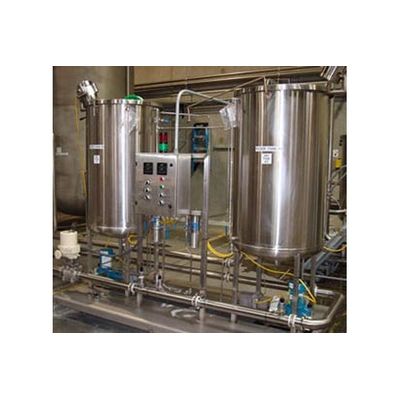
DAICO - Multimedia Filtration System
Also referred to as total suspended solids or TSS, suspended matter consists of tiny insoluble particles in water that include grit, silt, clay, ferric iron and other precipitates. Suspended matter often adheres to the surface of RO membranes and interferes with the passage of water through the membrane which result in: Membrane fouling, particularly the first elements of the first stage. Increased pressure drop, thereby causing lower flows. Greater pump discharge pressure used to overcome fouling, thereby leaving less pressure to drive the water through the membranes. Frequent cleanings and unplanned downtimes.
DAICO - Ultrafiltration/Microfiltration System
Ultrafiltration and Microfiltration are both pressure driven membrane separation processes that separate particulate matter from soluble components in the carrier fluid (such as water). UF membranes typically have pore sizes in the range of 0.01 – 0.10 µm and have a high removal cabability for bacteria and most viruses, colloids and silt (SDI). A typical microfiltration membrane pore size range is 0.1 to 10 micrometres. The smaller the nominal pore size, the higher the removal cabability. Membrane filters are widely used in biotechnology and food and beverage applications where sterile product is required. Increasingly used in drinking water treatment, it effectively removes major pathogens and contaminants such as Giardia lamblia cysts, Cryptosporidium oocysts, and large bacteria. For this application the filter has to be rated for 0.2 micrometres or less.
DAICO - Electrodeionization System
EDI, in combination with reverse osmosis as pretreatment, strips away more than 99.9% of feedwater ions, significantly outperforming both double-pass RO and straight DI. With lower chemical, energy and labor costs, Daico’s state-of-the-art EDI technology is helping meet industry’s ultrapure water needs today and well into the 21st century.
Water Treatment Systems - Disinfection & Sterilization
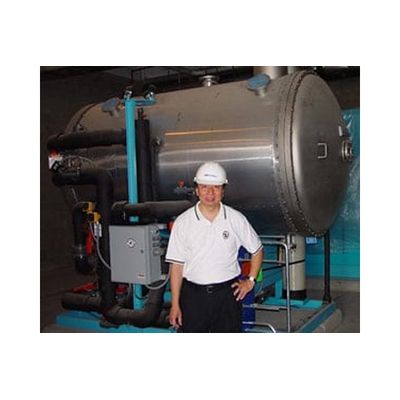
DAICO - Ozonation Systems
Ozone is made up of three Oxygen atoms. Once of these has a weak hold on the others, and is more than willing to transfer electrons with other organic substances, such as bacteria, and viruses. This single Oxygen atoms binds with the other substance, causing it to oxidize . The byproduct of Oxidation in this case is a single Oxygen atom.