


- Home
- Companies
- De.mem Limited
- Products
De.mem Limited products
Disinfection Systems
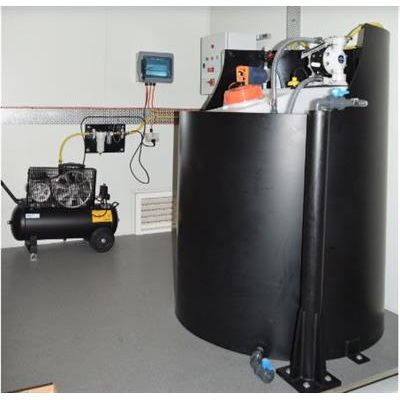
De-Mem - Chlorination Systems
Water disinfection is critical to ensure the safety of any potable water supply. Chlorination is a highly effective way to disinfect potable water, and can be dosed into the water as a chlorine gas (Cl2) or as a liquid (Sodium Hypochlorite). The major advantage of chlorine is its residual disinfection effect; it ensures disinfection right up to the point of end use. When water is stored for extended periods, the residual level of free chlorine should be monitored, and topped up as required.
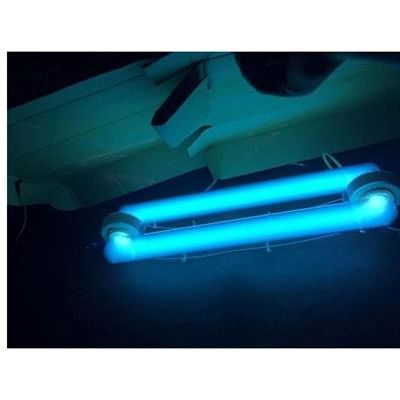
De-Mem - Ultraviolet (UV) System
Ultraviolet (UV) water disinfection instantly kills bacteria, parasites and viruses by passing the water past an UV light source, which damages the DNA of these organisms. UV disinfection should be installed as close as possible to the point of end use, as the effect of a UV disinfection is only temporary – the water may become re-contaminated when stored in tanks or even in pipe work downstream of a UV disinfection.
Biological Treatment - Aerobic Treatment
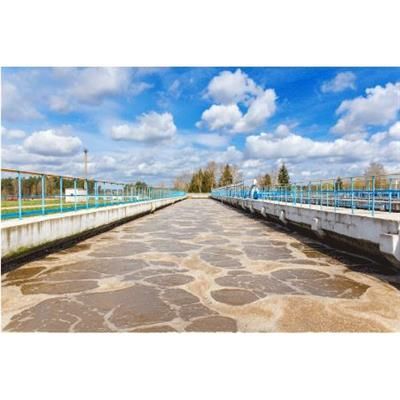
De.bug - Bacterial
De.mem’s “de.bug” product is a proven, environmentally friendly and efficient solution for waste water treatment. Effectively, it is a bacteria which is added to a waste water stream. The process is supported by a special oxygenation process using bubbles which are 20 times smaller compared to standard mechanical aeration.
Chemical Treatment
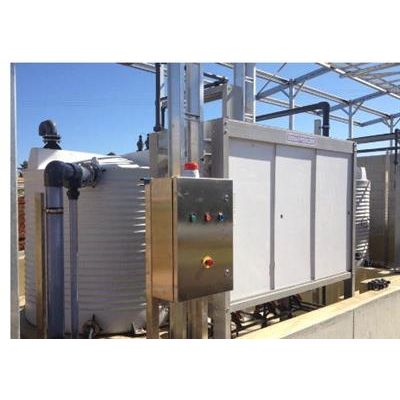
De-Mem - Chemical Dosing Systems
Chemical dosing is the delivery of a chemical substance into foul water, sewage or sludge–like fluid, usually as part of preliminary processing.
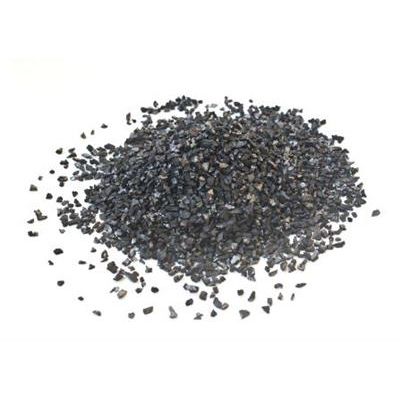
De-Mem - Chemicals
De.mem supplies all standard chemicals required by its customers for water treatment operations.
Membrane Based Water Treatment Systems
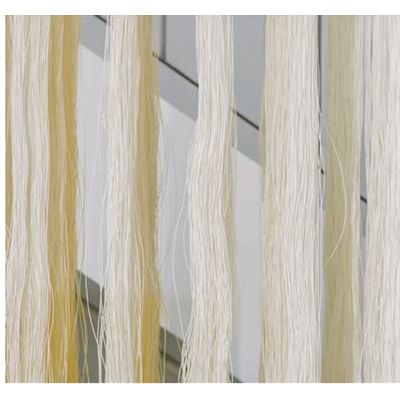
De-Mem - Microfiltration Systems (MF)
Microfiltration (“MF”) is a proven filtration process based on microporous membranes. Separation is achieved based on a process where a liquid is forced through a semipermeable membrane through the application of pressure. Suspended solids and solutes of high molecular weight are retained, while water and…

De-Mem - Ultrafiltration Systems (UF)
Ultrafiltration (“UF”) is a proven filtration process based on microporous membranes. Separation is achieved based on a process where a liquid is forced through a semipermeable membrane through the application of pressure. Suspended solids and solutes of high molecular weight are retained, while water and low molecular weight solutes pass through the membrane in the permeate or filtrate. UF membranes can typically filter out suspended solids, bacteria, viruses and many other contaminants. Like a sieve, the separation process is based on size exclusion.
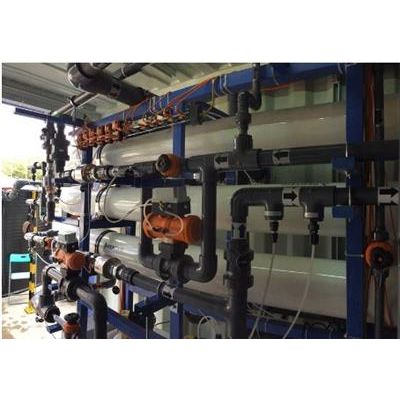
De-Mem - Hollow Fibre Nanofiltration System (NF)
Nanofiltration (“NF”) is a relatively new membrane filtration process. Similar to Ultrafiltration, separation is achieved based on “size exclusion”. A liquid is forced through a semipermeable membrane with pores in the range of 1 -10 nanometers through the application of pressure. A wide range of contaminants is retained, while water and low molecular weight solutes pass through the membrane in the permeate or filtrate. Due to the smaller pore size, NF can typically filter out much smaller particles than UF membranes; including some dissolved particles such as certain types of salts or dyes.
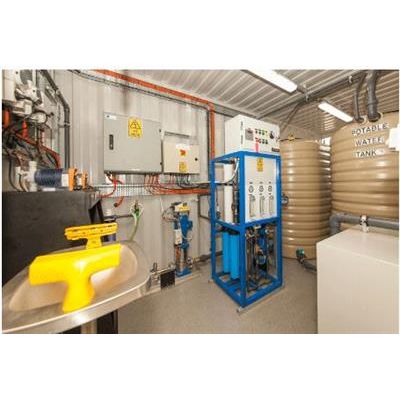
De-Mem - Reverse Osmosis Systems (RO)
Reverse osmosis (RO) is a water purification process that uses a semi-permeable RO membrane to remove ions, unwanted molecules and larger particles from drinking water.

De-Mem - Membrane Bioreactors (MBRs)
A Membrane Bioreactor (MBR) is the combination of a membrane process, usually based on Ultrafiltration membranes, with a biological wastewater treatment process, the activated sludge process. MBRs are nowadays widely used for municipal and industrial wastewater treatment.