

Dirk European Holdings LTD products
Technologies
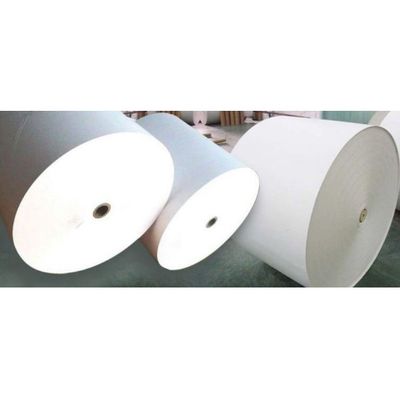
Paper Recycling
The Problem: The UK is the largest producer of wallpaper worldwide. The British wallpaper industry is situated around Darwen, Blackburn. Many of the wallpaper mills are operated in crowded old factory buildings. Once a leading wallpaper manufacturer Crown Wallpaper (also known as the Crown Wallpaper Company) was an agglomeration of wallpaper manufacturers in the United Kingdom since 1899.
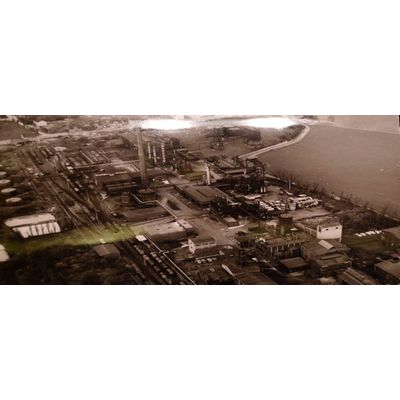
Waste Oil Recycling
Waste oil recycling contributes very much to climate protection through (CO2) energy saving. Compared to the production of base oil the re-refining of waste oil uses 34 % less resources. In the sixties the German government was subsidising the re-refining of waste oil. Because of that the use of waste oil as a fuel was neglected. The used oil re-refining is the process of restoring used oil to new oil by removing chemical impurities, heavy metals and dirt [2]. Used industrial and automotive oil is recycled at re-refineries. The used oil is first tested to determine suitability for re-refining, after which it is dehydrated and the water distillate is treated before being released into the environment. Dehydrating also removes the residual light fuel that can be used to power the refinery, and additionally captures ethylene glycol for re-use in recycled antifreeze.
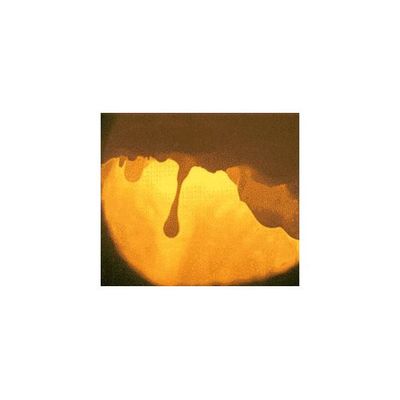
Power Station Slag Recycling
The Problem: Coal fired power stations operating tap slag boilers release most of the ashes resulting from the combustion as slag at the boiler bottom. There is a number of such power stations in Europe operative. These boilers are also known as wet bottom boilers.
Sewage Sludge Recycling to Land and Disposal
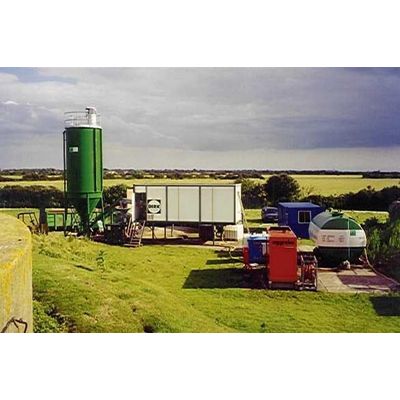
THE PROBLEM: Sewage treatment is the process of removing contaminants from wastewater, primarily from household sewage. It includes physical, chemical, and biological processes to remove these contaminants and produce environmentally safe treated wastewater (or treated effluent). A by-product of sewage treatment is usually a semi-solid waste or slurry, called sewage sludge, that has to undergo further treatment before being suitable for disposal or land application.
Sewage Sludge Minimization
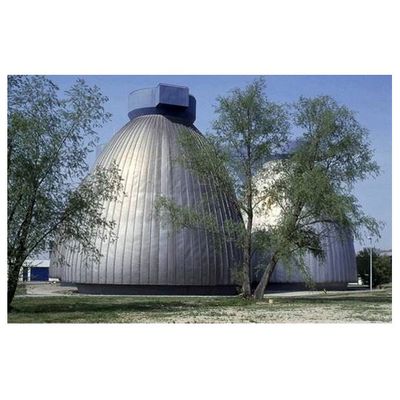
THE PROBLEM: Sewage sludge volume. THE SOLUTION: DIRK investigated the use of ultrasound to influence the enzymes on sewage sludge cells and published the first papers on their interesting findings in 2001. The tests proved that sewage sludge exposed to high power ultrasound would show increased digestion of the treated sludge which meant substantially less volume following sludge digestion. A separate research was carried out by the company IWETEC in Dresden, partly owned by Fraunhofer Institute, Germany, which brought similar results as DIRK research.