


EasyMining - Ragn-Sells Group products
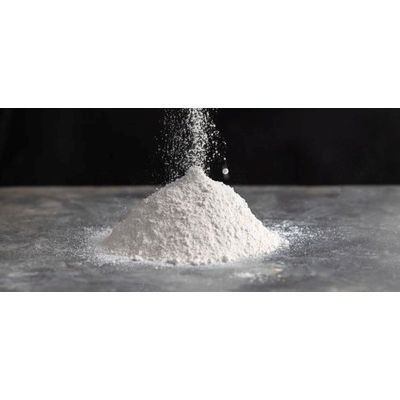
ASH2 PHOS - Phosphorus Recovery from Sewage Sludge Ash
If we are serious about transforming to a circular economy, we need to reuse already sourced raw materials as often as possible. This is particularly true about raw materials that are finite and cannot be replaced, such as phosphorus. Phosphorus, one of the key nutrients in mineral fertiliser, is crucial for agriculture to be able to produce enough food. But Europe is dependent on phosphorus from mines in a few other countries. This leads to large climate emissions, creates great supply risk, and makes the EU vulnerable to wild price fluctuations. EasyMining focuses on technologies for the recovery and recycling of nutrients. This is why we have developed Ash2Phos, a circular solution for recovering phosphorus from the sewage sludge that forms in large quantities at wastewater treatment plants.
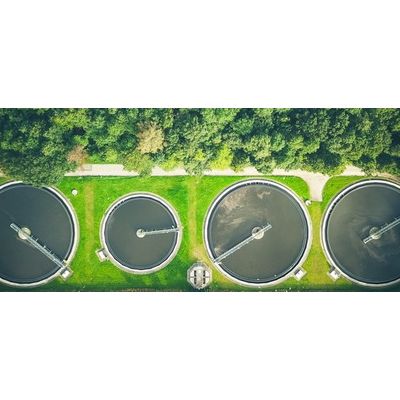
AQUA2 N - Wastewater Nitrogen Recovery Process
Nitrogen, one of the key nutrients in mineral fertiliser, is crucial for agriculture to be able to produce enough food. But the production of nitrogen fertiliser with traditional methods involves burning fossil gas and causes enormous greenhouse gas emissions. At the same time, wastewater treatment plants remove nitrogen from wastewater. With today’s bacteria-based methods, this nitrogen is simply released back into the air and goes to waste. With the Aqua2N technology, by contrast, the nitrogen is recovered. It can be used immediately to produce fertilisers with reduced climate impact compared to traditional production, creating a loop. Also, no laughing gas (N2O) is produced.

EasyMinings - CleanMAP Technology - Ammonium Phosphate from Mining Waste
EasyMinings´s CleanMAP technology extracts ammonium phosphate from mining waste or other sources. The CleanMAP technology enables cost effective production of pure and well defined monoammonium phosphate (MAP) or diammonium phosphate (DAP) of technical grade (i.e. fully water soluble). The process does not require any evaporation, making it highly energy efficient. It only uses common commercial chemicals such as hydrochloric acid, lime, ammonia etc.