
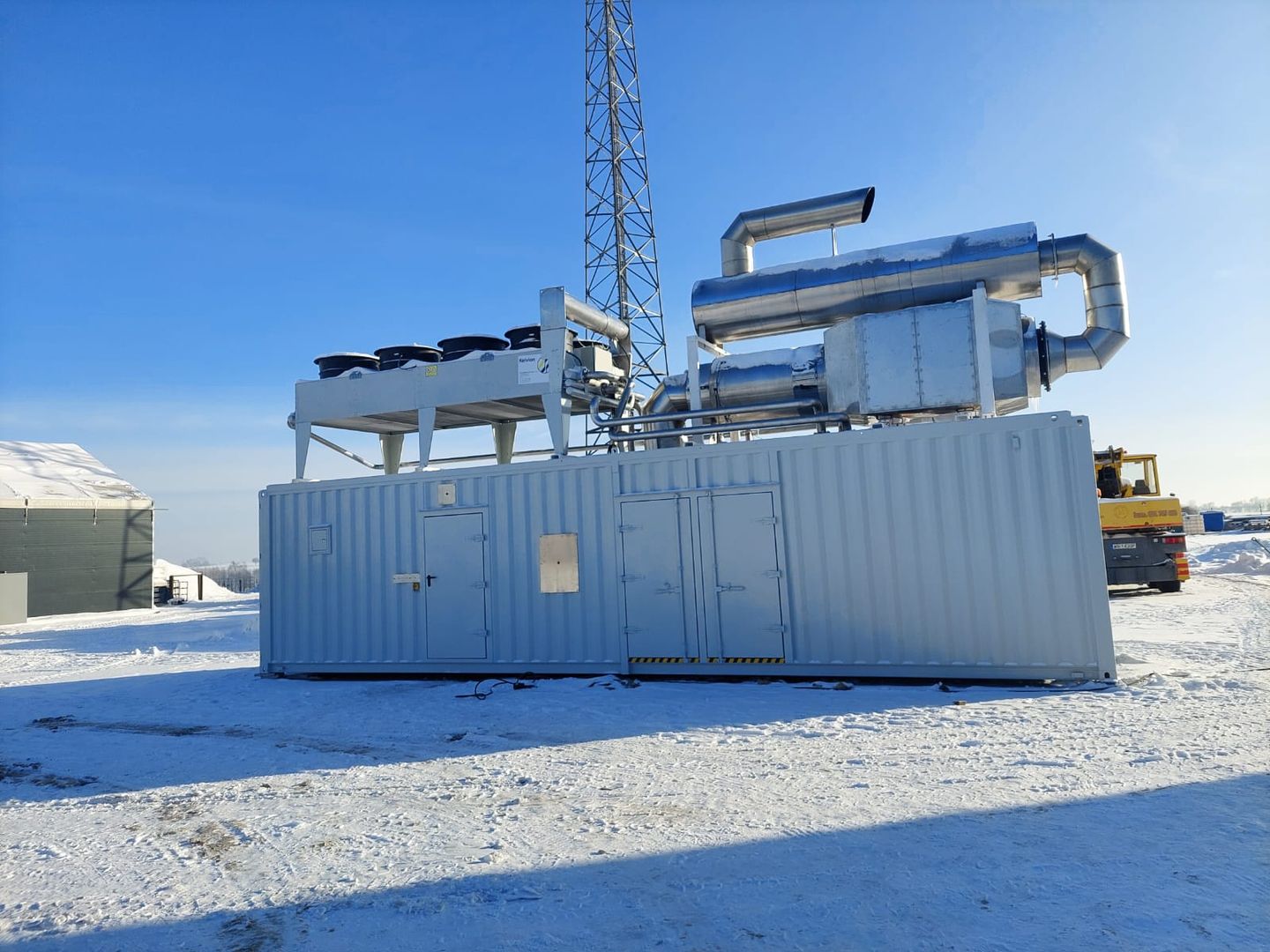

Ecoexhaust Sp. z o.o. products
Ecoexhaust - Model SCR - NOx Reduction System
They can be removed by a process called selective reduction catalysis, in which an aqueous urea solution is sprayed into the hot flue gas, resulting in the conversion of nitrogen oxides to non-toxic nitrogen and water vapor. Today’s diesel- and the gas-fuelled industry faces a significant problem with atmospheric emissions of nitrogen oxides (NOx). Our SCR systems are designed with efficiency and ergonomics in mind, which, combined with the use of the best materials, allows them to meet the most stringent emission limits while ensuring reliable operation. Thanks to the closed-loop dosing system, we can ensure that urea consumption is kept at the lowest possible level to reduce NOx, which directly translates into reduced operating costs, and our computational fluid dynamics tools help us to determine the best place to install the urea dosing nozzle.
Ecoexhaust - Model SNCR - NOx Reduction System
SNCR stands for Selective Non-Catalytic Reduction, a process used to reduce nitrogen oxide (NOx) emissions in industrial processes. It is a cost-effective and efficient method of reducing NOx emissions without the use of catalysts.
Ecoexhaust - Model DPF - Particulate Matter Reduction Filters

Ecoexhaust - Model SCR-DPF - Diesel Particulate Filter Combined System
SCR stands for Selective Catalytic Reduction and DPF stands for Diesel Particulate Filter. The aim of the combination of SCR and DPF is to reduce two types of harmful emissions produced by diesel engines: particulate matter (PM) and oxides of nitrogen (NOx). The DPF part of the system is responsible for capturing and removing particulate matter from the engine’s exhaust system. The DPF is a device that is located in the exhaust system and works by capturing particulate matter as it flows through it. Over time, the DPF can become clogged with particulates, which can reduce engine performance and increase emissions.