


- Home
- Companies
- EECO2 Limited
- Services
EECO2 Limited services
Pharmaceutical & Life Sciences Energy
Energy Survey / Health Check
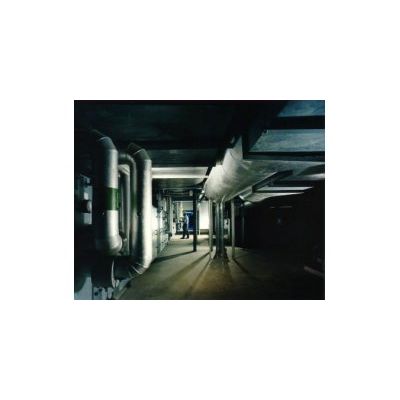
The first step is to carry out an initial visual energy survey in order to identify potential savings and a health check to identify maintenance issues which will impact on energy demand. From this a report will be provided that identifies potential savings and costs to deliver.

Identify Quick and Big Win Opportunities
There can be many energy saving opportunities in a system however these must be significant enough and cost effective to implement.
Compliance Documentation
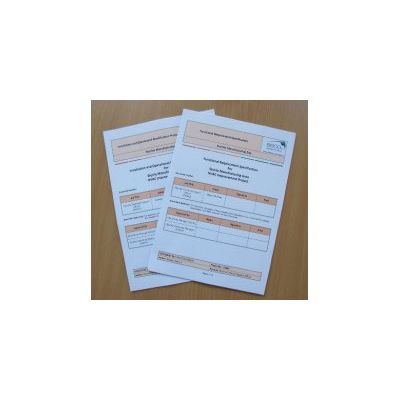
The correct documentation is critical in ensuring and proving any changes are in full compliance with the clients quality system therefore regulatory standards and guidelines.
Energy Monitoring
HVAC Monitoring
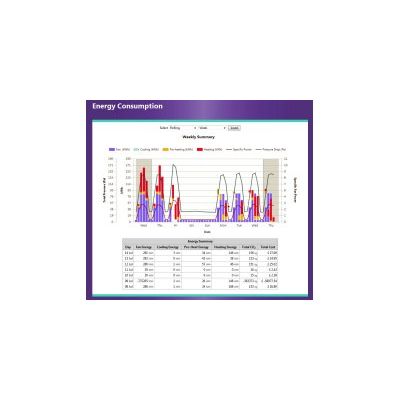
HVAC electrical and heat energy used to condition, supply, filter and extract air typically equates to 50 – 75% of a facilities total energy cost. By monitoring individual HVAC plant these costs can be verified and reduced where excessive. Hidden problems remain hidden; bespoke monitoring targets the problems and provides an opportunity to rectify.
EPBD Compliance
Air Conditioning Inspections
The Energy Performance of Buildings (Certificates and Inspections) (England and Wales) Regulations, states. All air-conditioning systems with an effective rated output of more than 12kw must be regularly inspected by an Energy Assessor. The inspections must be a maximum of five years apart. One or more air-conditioning units within a building controlled by a single person are considered to comprise a single air-conditioning system for the purposes of the regulations. This includes all systems providing cooling such as; Chillers, condensers, air handling units, control systems, terminal units and packaged split systems.
Air Conditioning Compliance Plus
This service will include the AC Inspection which will meet the minimum legal requirement with the additional benefit of priced proposals with energy saving and Carbon reduction calculated. The survey will consist of identifying, measuring and quantifying energy savings of the complete heating, ventilation and air conditioning system.
F-gas Inspections
Fluorinated greenhouse gases are among the Kyoto Protocol groups of gases for which the EU has committed itself to reduce emissions. The Regulation requires leakage checks to be carried out, repairs to be completed, gases to be recovered so that they do not escape to the atmosphere, certified personnel and companies to be used, labels to be used on some equipment, information to be reported to the Commission, and bans some F gas products. The Regulation also provides a timetable for the checking of leakage of these stationary applications.