


Environmental Assessment & Remediations services
Construction & Field Services
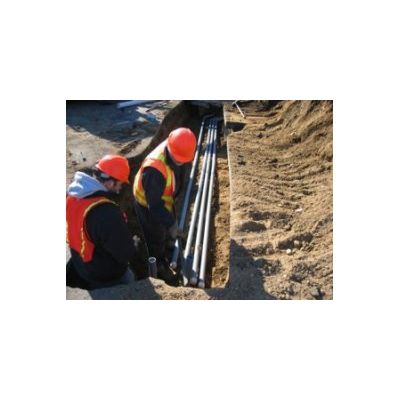
Construction Services
Soil Excavation and Removal, Cut and Cover Trenching, Shoring/Sheet Piling, Site Restoration, Electrical Control Panels/SCADA Systems, Demolition/Dismantling, Sparge and Vent System Installation, Bio-Sparge System Installation, Pump and Treat System Installation, Chemical Oxidation/Bio Augmentation Injection Services, Product Recovery Systems, Bio-Augmented Carbon Treatment Systems, Sub-Slab Depressurization System Installation, Ex-situ Soil Treatment and Oxygen Injection Systems.
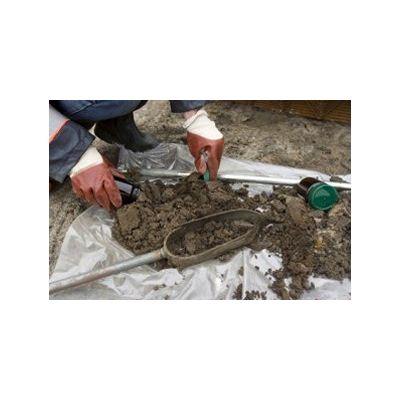
Field Services
Water, Soil, and Air Sampling, Soil Gas Surveys, Indoor Air Quality Surveys, Remedial Treatment System Operation and Maintenance, System Decommissioning, Pilot Testing, Surveying, Whole House Treatment System Monitoring and Maintenance and Tracer Studies.
Other
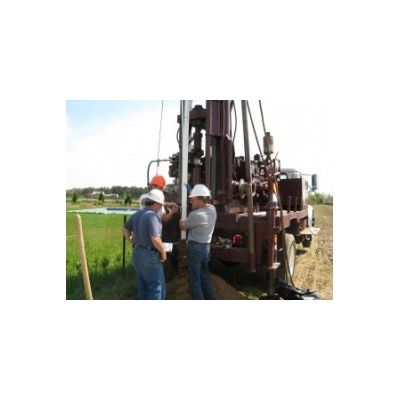
Drilling Services
At EAR, our drill crews are ready to provide professional drilling services to successfully complete a variety of site investigations, hydrogeologic assessments, soil, groundwater, and geotechnical studies.
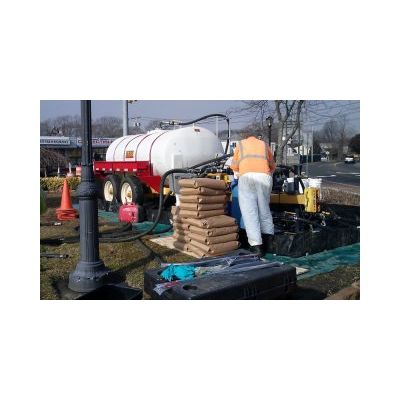
Injection Services
Environmental Assessment & Remediations is the Badger™ Injection Solutions, LLC Regional Service Provider for the Northeast. Badger’s™ Kinetically Adjustable Pore Space Dilation Injection Delivery System (KAPSDIDS) is proprietary technology that enables the emplacement of a broad range of in-situ remediation products farther, faster and moreefficiently from the point of injection than any other available method. Aside from reducing the number of injection locations, the core achievement of this technology is the distribution and physical contact between treatment solution and impacted media, resulting in increased remedial effectiveness.
Professional Services
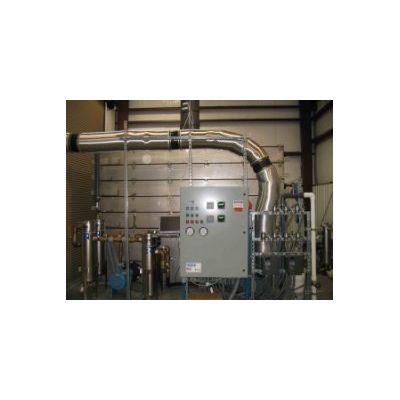
Remediation Services
Remedial Design, Remedial Action Plans, Correction Action Plans, Sub-Slab Depressurization System Design and Construction Oversight.
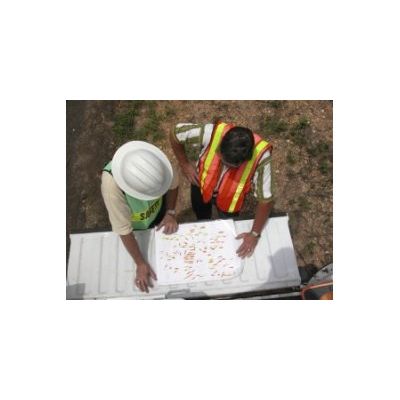
Professional Consulting Services
Program and Project Management. Planning and Permitting. Regulatory Compliance. Fate & Transport Modeling. Geographic Information System (GIS) Services. Database Management/Development. Computer Aided Design (CAD) Services. Data Visualization Services. Exposure Assessments. Spill Prevention/Control and Counter Measure Plans. Process Control and Optimization. Litigation Support/Expert Testimony. Data Validation. Waste Management.
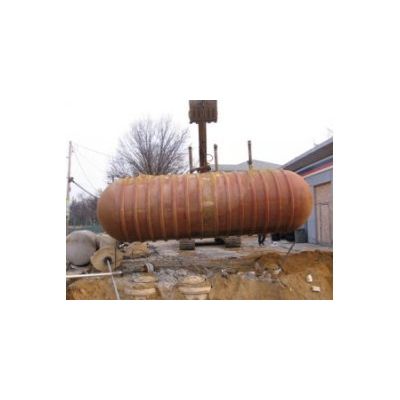
Environmental Site Assessment
Site Characterizations, Phase I Environmental Site Assessment, Phase II Environmental Site Assessment, Remedial Investigations, Feasibility Studies, Risk Analysis/Management, Property Evaluations for Real Estate Transactions, Vapor Intrusion Evaluations, UST Closure Reporting, Asbestos Testing, Lead Paint Testing, Geotechnical Investigations, Sensitive Receptor Surveys.
Phase I Environmental Site Assessment
An Environmental Site Assessment (ESA) is an investigation designed to determine whether any environmental issues have impaired the subject property. The ESA reveals the probability of hidden liabilities for the user(s) of the Phase I ESA. The ESA will satisfy the all appropriate inquiry set forth in 42 U.S.C. Section 9601 (35) (b) of the Comprehensive Environmental Response, Compensation and Liability Act (CERCLA).
Phase II Environmental Site Assessment
Phase II Environmental Site Assessment (Phase II ESA) reports are sometimes required when a Recognized Environmental Condition (REC) is found during the Phase I Environmental Site Assessment process. They may initiate Investigations to collect additional information or fill data gaps and are needed to identify the potential for the existence of an environmental liability that can affect the value of a property. Potential environmental concerns can and often do arise during the Phase I ESA. When a potential environmental concern is identified, the next step is to conduct a Phase II ESA. A Phase II ESA subsurface investigation typically includes the collection of soil and/or groundwater samples for laboratory analysis. Identifying soil and/or groundwater contamination is an important step in determining not only the risk tolerance of a potential purchaser or lender, but can also determine the outcome, and possibly the negotiation proceedings of a property transaction.