

Environmental Reclamation Services (ERS) Ltd services
Site Investigation
Intrusive Site Investigation
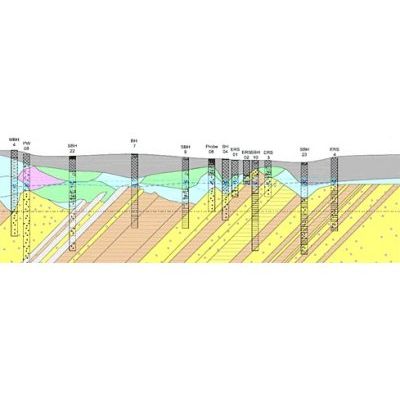
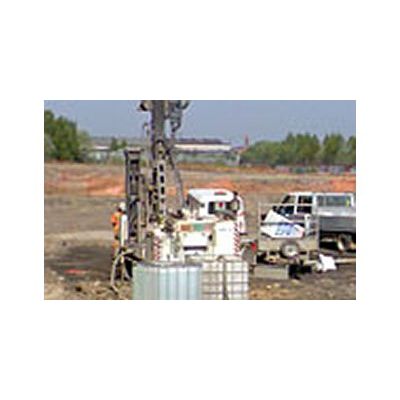
ERS adds further value by providing seamless site investigation, supervision and sample handling where required. We aim to represent our clients to the highest possible standard, using the latest techniques to offer a full range of site investigation services. We can advise on the most appropriate use of an extensive range of open hole and cased site investigation plant including rotary flight auger and down-hole hammer techinques including Odex and Symmatrix, all of which we offer on a subcontracted basis. ERS also owns and operates drilling equipment including:
Well Installation & Instrumentation
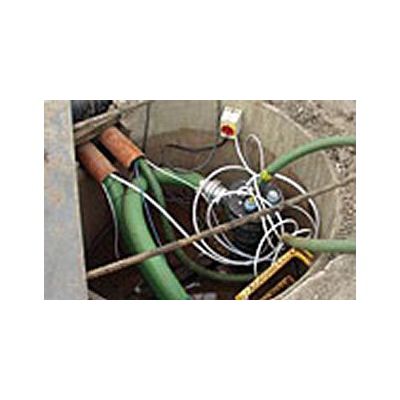
ERS engineers are experienced in the design, installation and testing of wells and instrumentation for all site investigation and monitoring applications. Our qualified geologists and hydrogeologists design installations to provide your data needs with accuracy and precision, using the latest down-hole instrumentation and telemetric data logging technology:
Groundwater & Gas Monitoring
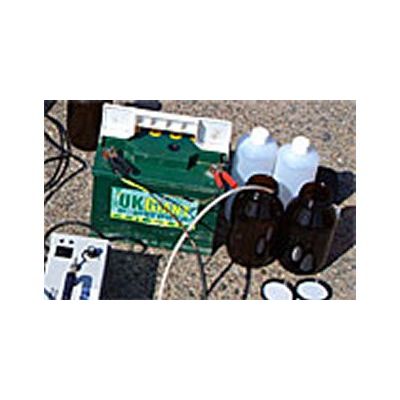
High quality monitoring data underpins site characterisation, facilitates effective remedial programme design, allows progress to be followed in real time and provides the crucial evidence to achieve site close out. At ERS we understand the critical factors necessary to design and implement monitoring schemes that deliver timely data in a form compatible with risk-based remedial targets.
Engineering Supervision
Our remediation engineers, geotechnical engineers and engineering geologists provide high quality site supervision, information logging and sample handling service to ensure that your site investigation delivers data of the quality you expect. We can provide all levels of site investigation oversight, from supervision only, to a coordinated design, management, sample handling and reporting service and can include hands-on working where stipulated. ERS provides oversight through all stages of a ground investigation, with the emphasis on flexibility and communication.
Remediation
Hydrocarbons
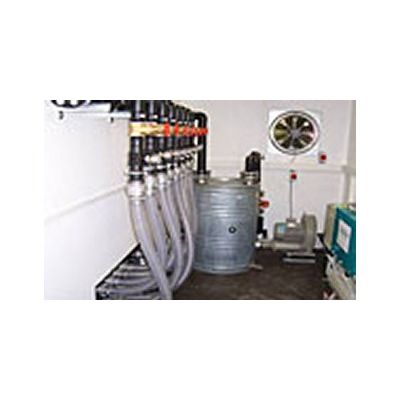
Contamination of soil and groundwater with petrol, diesel and other fuel oils is a common problem on many commercial and domestic sites. Light non-aqueous phase liquids (LNAPLs) are characterised by their ability to permeate through soil until they reach a groundwater body, where they spread rapidly, contaminating the groundwater and releasing vapours to the soil, buildings and atmosphere above. Since LNAPLs are easily distributed, a well designed site investigation is essential to implementing successful remedial measures at minimal cost. Using data gained from the site investigation, ERS can then select the most appropriate remedial strategy from a combination of the physical, chemical and biological methods at our disposal.

Chlorinated Solvents
Historical storage and disposal practices mean that chlorinated solvents can be present in substantial amounts beneath former manufacturing and tertiary industrial sites. They pose risks to health and the environment due to their partially-soluble and volatile nature and the high toxicity of primary compounds and their breakdown products. Chlorinated solvents form liquids that are denser than water. Such dense non-aqueous phase liquids (DNAPLs) tend to migrate down through soil and groundwater following complex paths and can often be present at considerable depths. Characterising the extents of DNAPL contamination is therefore a technically demanding exercise and determining whether source material remains often implies the use of indirect methods, based on geochemical and hydrogeological information. Effective remediation of chlorinated solvents further depends on careful selection of technical approach to achieve site-specific remedial targets.
Metals and Inorganic Contaminants
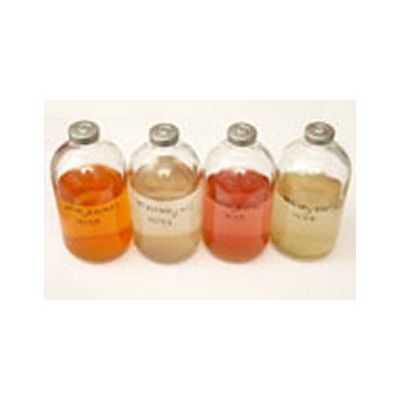
Unlike hydrocarbons and other organic pollutants, they cannot be broken down by physical, chemical or biological agents. However, by manipulating site conditions in carefully controlled ways or by introducing engineered systems to a site, the mobility and toxicity of inorganic contaminants can be greatly diminished, reducing risks to acceptable levels and allowing regeneration to proceed. Where contaminant removal remains the preferred option, ERS offers soil washing as a method to remove inorganic and organic contaminants. This intensive procedure can prove very cost-effective by significantly reducing the volume of contaminated material needing removal from site.