


Evonik Active Oxygens (fka PeroxyChem) products
Soil & Groundwater Remediation
Klozur - Persulfate Oxidant for In Situ Chemical Oxidation
Klozur persulfate is the oxidant of choice for in situ chemical oxidation (ISCO), because of its ability to treat a wide range of contaminants including chlorinated solvents, petroleum and PAHs. When properly activated, Klozur persulfate provides an unmatched combination of oxidative power and control that can be delivered both safely and cost effectively, demonstrated by application sites across the globe.
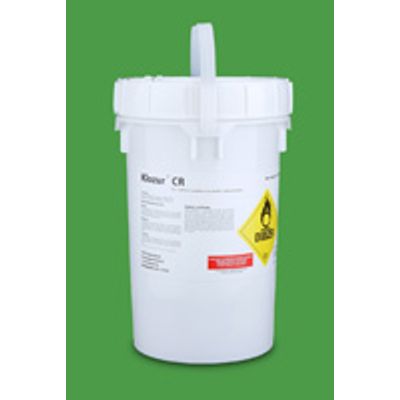
Klozur - Model CR - Self-Activated Persulfate Oxidation System for Bioremediation
Klozur CR is a single, formulated product consisting of high-pH activated Klozur Persulfate and PermeOx Plus engineered calcium peroxide, uniting the strengths of both products to treat contaminant source zones and down-gradient plumes. It is formulated to provide a self-activated persulfate oxidation system which couples chemical oxidation with aerobic and anaerobic bioremediation processes that can last up to one year after application.
PeroxyChem EHC - Model ISCR Reagent - In Situ Chemical Reduction System
EHC ISCR Reagent is composed of controlled-release carbon, zero talent iron (ZVI) particles and nutrients used for the in situ treatment of groundwater and saturated soil impacted by heavy metals and persistent organic compounds such as chlorinated solvents, pesticides and energetics.
PeroxyChem EHC - Liquid ISCR Reagent
EHC Liquid ISCR reagent is a concentrated, buffered, microemulsion of a controlled-release, food-grade carbon, nutrients, and iron designed for on-site dilution with cold water.
Daramend - Anaerobic Bioremediation Reagent
Daramend® anaerobic bioremediation reagent represents a superior biological treatment technology for solid materials impacted by recalcitrant organic compounds. Since the first application in 1996, variations of the technology have been successfully used to treat >10,000,000 tons of soil, sediment and other solid materials.
Terramend - Aerobic Bioremediation Reagent
Terramend aerobic bioremediation reagent represents a superior biological treatment technology for solid materials impacted by recalcitrant organic compounds.
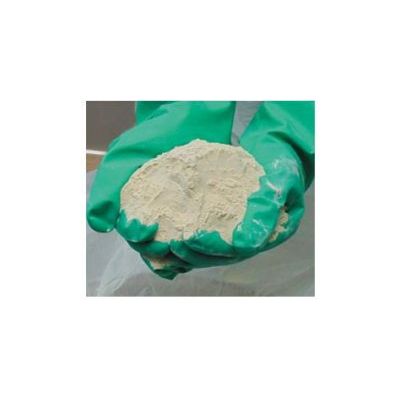
PermeOx Ultra - Engineered Calcium Peroxide for Bioremediation
PermeOx Ultra, the evolution PermeOx Plus, is a specially formulated grade of engineered calcium peroxide providing extended oxygen release for enhanced aerobic bioremediation.
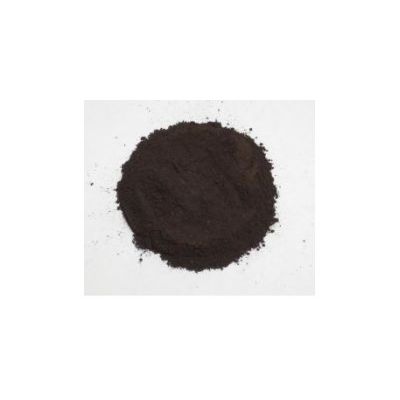
MetaFix - Reagents for Soil & Groundwater Remedation
MetaFix Reagents are customized formulations of reducing agents, reactive minerals, mineral activators, catalysts and pH modifiers to cost effectively address heavy metals at even the most challenging sites. MetaFix is capable of treating comingled plumes of multiple heavy metals and chlorinated solvents.
PeroxyChem EHC - Metals Reagent
EHC® Metals Reagent is a remediation product for immobilization of metals combining controlled-release carbon, micro-scale zero-valent iron & a slow-release of sulfate. Following placement of EHC Metals Reagent into the saturated zone, a number of chemical and microbiological processes combine to create strongly reducing conditions under which a number of heavy metals are sequestered via reductive precipitation as scarcely soluble metal-sulfides and via adsorption onto secondary ZVI corrosion products. A wide range of chlorinated volatile organic compounds (CVOCs) are also degraded in these reduced environments, allowing for treatment of mixed plume impacts.
PeroxyChem - Model ELS™ Microemulsion - Enhanced Reductive Dechlorination Systems
ELS™ Microemulsion is a lecithin-based substrate of food-grade carbon used to enhance anaerobic bioremediation. ELS creates reducing conditions and serves as an electron donor for dechlorinating bacteria, promoting enhanced reductive dechlorination reactions. ELS is delivered as a 25% liquid emulsion that is cold water soluble and can be applied via existing wells, hydraulic injection networks, or direct push technology. Lecithin is composed primarily of phospholipids, which have both hydrophilic and hydrophobic regions in their molecular structure. As a result, ELS can be expected to form a more stable emulsion compared to oils that are strictly hydrophobic compounds, making it easy to apply and handle.