


Flexpoint Sensor Systems, Inc. products
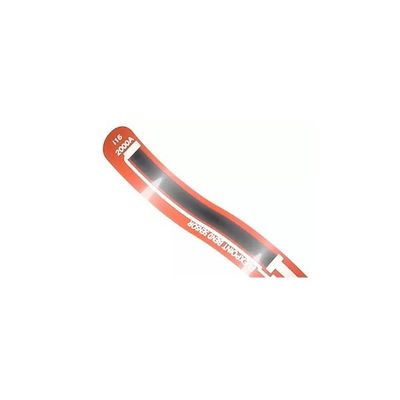
Bend Sensor - Electronic System
The Bend Sensor® product consists of a coated substrate, such as plastic, that changes in electrical conductivity as it is bent. Electronic systems connect to the sensor and measure with fine detail the amount of bending or movement that occurs. The single layer design of the Bend Sensor® eliminates many of the problems associated with conventional sensors such as dust, dirt, liquids, and heat and pressure affects. Over-laminates or over-molding may also be applied to the sensors for added environmental protection. Flexpoint Sensor Systems offers standard designs, and can also custom design and engineer a sensor that meets the dimensions and requirements of your application.

Smart Airbag Systems
According to the National Highway Transportation Safety Administration (NHTSA), deaths of at least 130 children and small adults have been attributed to the speed and force of inflation of passenger-side airbags. Automakers and regulators agree that smart airbag systems are the solution. Smart airbag systems are those that can detect not only the presence of a seat occupant but also the size and positioning of the seat occupant. This data is used to tailor the speed of the airbag deployment to the seat occupancy conditions at the time of impact. Reliable analog seat sensors such as the Bend Sensor® technology are a key component of this system.
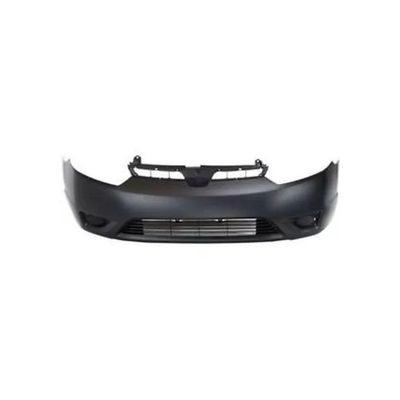
Pedestrian Safety Tests
European Pedestrian Safety Regulations Create Demand for New Technology. Each year as many as 9,000 pedestrians and cyclists are killed; an average of 25 deaths per day, and a further 200,000 people are injured in the European Union countries alone, accounting for 20% percent of all traffic fatalities. A significant proportion of casualties are the result of contact with a moving vehicle, notably with the frontal structures of passenger cars.
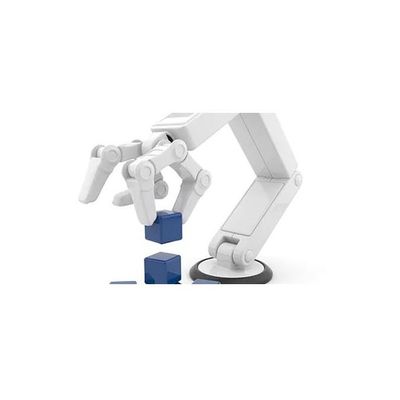
Bend Sensor - Industrial Controls System
The Potential Uses: The Bend Sensor® technology has many potential uses in the industrial controls sector. Potential applications in industrial controls might include automated manufacturing controls, robotics, safety switches, quality control, inspection controls, shipping and handling applications, and machine control.