


Foster Lake & Pond Management Inc. (FLPM) services
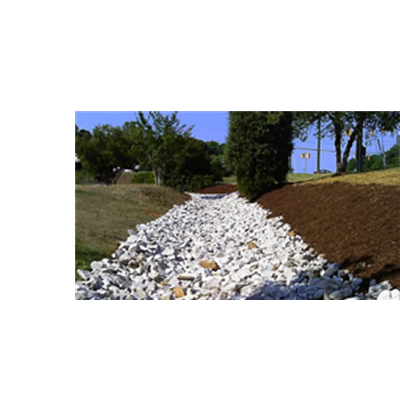
Stormwater BMP Compliance Inspections Services
Most municipalities require adherence to the stormwater BMP’s Operation and Maintenance Manual, as well as Annual Certified Inspections of regulated stormwater BMPs to make sure they are functioning correctly. The majority of Operation and Maintenance Manuals require monthly visual inspections, in addition to the Annual Inspection that must be filed with the municipality. Requirements to pass the annual inspection vary among municipalities. These inspections must be sealed by a certified engineer before submittal to the municipality. Foster Lake & Pond Management has performed hundreds of these Annual Certified Stormwater BMP Inspections statewide.
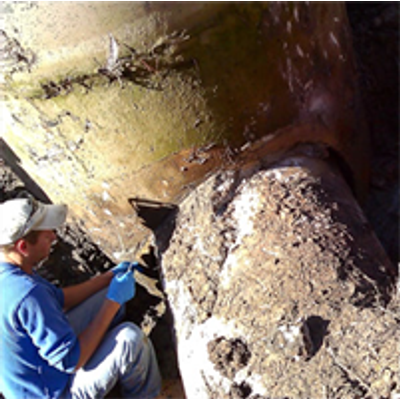
Stormwater BMP Construction, Repair & Retrofitting Services
Foster Lake & Pond Management is a licensed North Carolina general contractor (License Number 63563). As such, we are capable of providing all the stormwater BMP repair, renovation and/or construction services our clients may require. Foster Lake & Pond Management specializes in repairing water level control structures (overflow systems), repairing dam and embankment failures, installation of erosion control practices, shoreline stabilization and littoral shelf restoration, sediment excavation and removal (dredging), repair and installation of stormwater drainage conduits.
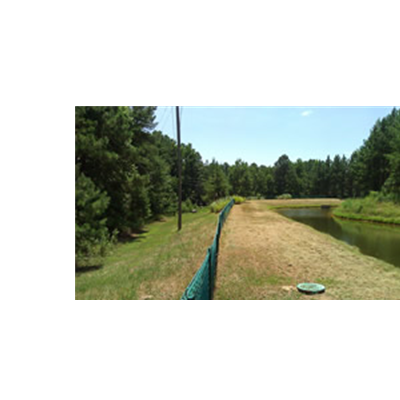
Stormwater BMP Maintenance Services
Stormwater BMPs require regular maintenance to fully function as intended and to prevent more costly repairs and retrofitting in the future. Foster Lake & Pond Management regularly inspects these devices and maintains them to municipal regulations, as well as ascertaining their structural integrity. We make recommendations for corrective actions to improve function, seek approval from the owner, and then repair/renovate the stormwater BMP in accordance to the structural specifications and municipality requirements. Routine maintenance of stormwater BMP structures usually requires management of vegetation (terrestrial and aquatic), evaluation of erosion control measures, accumulated sediment removal, clearing of drainage mechanisms, and removal of debris and trash.