

- Home
- Companies
- Fuel Tech, Inc.
- Products
Fuel Tech, Inc. products
Water Technologies
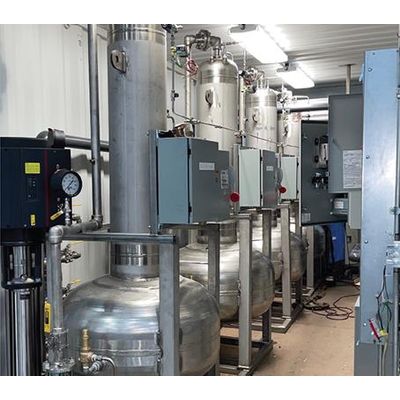
Fuel-Tech - Model DGI - Oxygenation System for Wastewater Treatment
DGI combines best on the market oxygen transfer efficiency with precision accuracy, to deliver an energy efficient and cost-effective water and wastewater treatment system. This cutting-edge technology, achieves superior rates of 99+% gas transfer by pre-dissolving high purity gas in a separate pressurized slipstream. The slipstream can reach up to 900 mg/l oxygen concentration, it is then added to the main volume of water and diluted to meet precise specifications. To guarantee high oxygen saturation rates, DGI is fitted with specially designed high-velocity channel injectors that help retain gas and optimize distribution. DGI can work as a rapid response option or augment underperforming legacy technologies in a wide range of water and wastewater treatment processes.
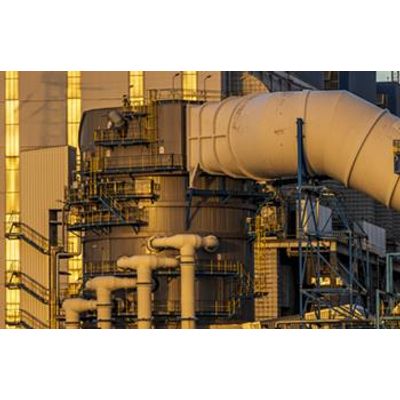
Fuel-Tech - Model Redox-Hg - Amorphous Iron Sulfide System
Redox-Hg is a suspension of highly amorphous iron sulfide particles used to enhance the total mercury removal capabilities of wet FGD scrubber systems. Through a combination of adsorption, chemical reduction, precipitation, and conversion to stable sulfide and iron-sulfide precipitates, Redox-Hg removes oxidized and elemental mercury from liquid and gaseous streams.
Air Pollution Control
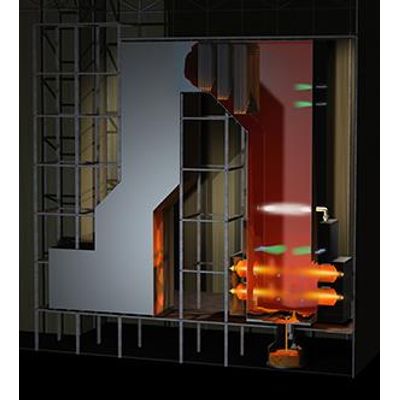
Fuel-Tech - Model NOxOUT and HERT - Urea SNCR Process for NOx Control
The NOxOUT SNCR Process is a urea-based Selective Non-Catalytic Reduction (SNCR) process for reduction of oxides of nitrogen (NOx) from stationary combustion sources. The process requires precisely engineered injection of stabilized urea liquor into combustion flue gas temperatures as high as 2500° F. Fuel Tech customizes the design and injection strategy for each application since most NOx reduction occurs in a temperature range between 1650° F - 2100° F. As shown in the diagram, the injection is typically multi-level and controlled automatically to adjust urea injection in response to boiler load changes and changing furnace conditions.
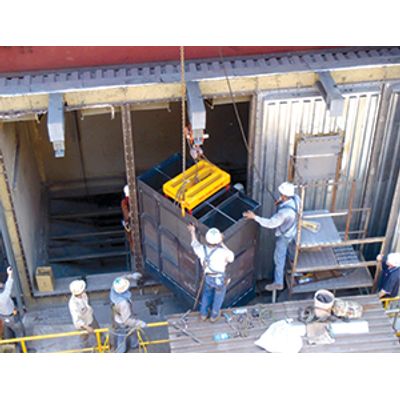
Fuel-Tech - Model ASCR - Advanced SCR Process Maximizes System
Fuel Tech’s ASCR Advanced SCR process maximizes performance and minimizes cost and space requirements when needed. Where high level NOx reduction are required, ASCR can be applied to full scale reactor designs to maximize performance. SCR process design is the most critical step to successful SCR performance. Maximizing SCR performance and minimizing its impact on plant operations requires a thorough understanding of each application. For each project, Fuel Tech reviews potential fuels and fuel blends and the expected operating conditions and then utilizes its experience and design expertise to provide the best possible SCR design.
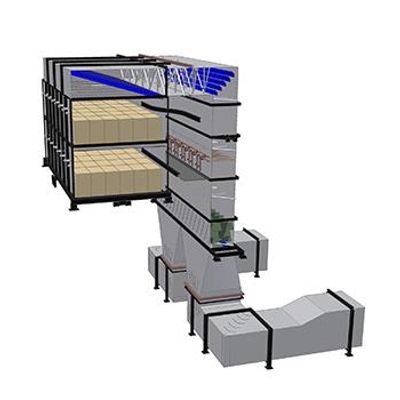
Fuel-Tech - Industrial SCR System
Fuel Tech has extensive SCR design experience and understands “real world” plant operations, and has been applying this know-how on a wide range of SCR applications around the world. These projects include boilers, incinerators, reformers and many other types of heat recovery equipment firing coal, gas, oil, and a variety of process gases and waste fuels. Maximizing SCR performance and minimizing its impact on plant operations requires a thorough understanding of each application. Our application review starts with an analysis of the fuel and flue gas properties, performance targets, and site constraints – this critical information is used to support the process optimization as well as the catalyst selection and arrangement.
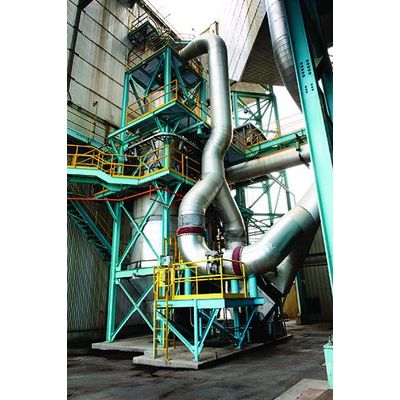
Fuel-Tech - Ammonia Generation System for NOx Reduction
Fuel Tech is the world’s leading supplier of NOX reduction and urea reagent technologies. The ULTRA® conversion process and systems are designed by experienced in-house engineering personnel and backed with significant commercial experience. The systems are manufactured to ensure quality and longevity while providing a reliable, safe, and easy to use system for the on-site generation of ammonia.
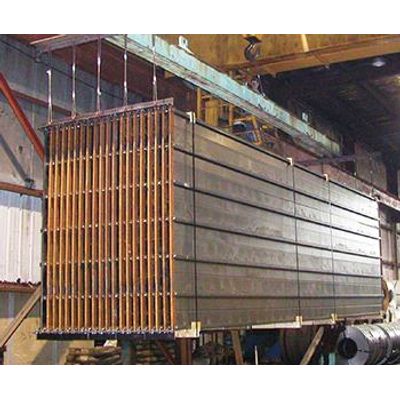
Fuel-Tech - Electrostatic Precipitators (ESP)
The rehabilitation of existing Electrostatic Precipitators (ESP) is a cost-effective means of improving the performance and restoring efficiency of aging equipment as well as achieving compliance in meeting particulate emission levels.
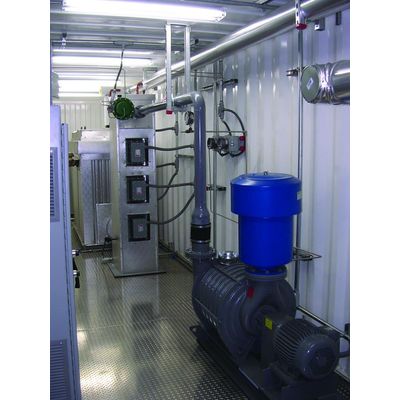
Fuel-Tech - Flue Gas Conditioning Electrostatic Precipitators
Flyash precipitators do not operate effectively when there is not sufficient sulfur trioxide (SO3) is not present in the flue gas. By injecting SO3 and, in some cases, ammonia into the flue gas the performance of Electrostatic Precipitators (ESPs) is improved without increasing SOX emissions. The conditioning gas necessary for the FGC process is produced by burning elemental sulfur to produce SO2, which is converted to SO3 with a catalyst and injected into the flue gas at levels normally less than 20 ppm.
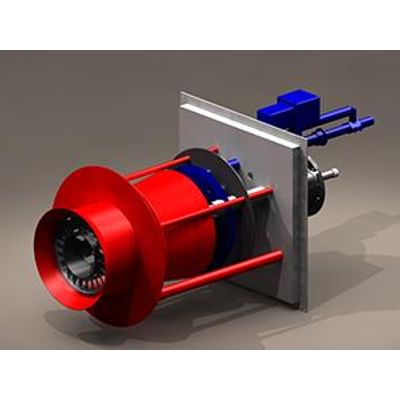
Fuel-Tech - Low NOx Burners (LNB)
Low NOX burners and Low NOX burner Upgrades are available for both industrial and utility boilers burning a wide variety of fuels and have proven to be a cost effective way to reduce NOX emissions by 40% - 60%. Each system application is specifically designed to maximize NOX reduction without sacrificing combustion performance or unit operation.
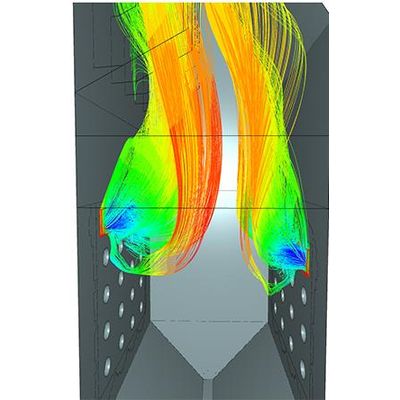
Fuel-Tech - Over-Fire Air Systems
Combustion air is diverted from the burners to create a fuel rich zone in the lower furnace. Fuel bound nitrogen conversion to NO is inhibited on coal and oil fired boilers. Peak flame temperatures are reduced on gas fired boilers to limit thermal NOx formation. A high momentum air stream intersects burner flames in the upper furnace to complete combustion prior to the boiler convective section.