


G-force Consulting Engineers BV products
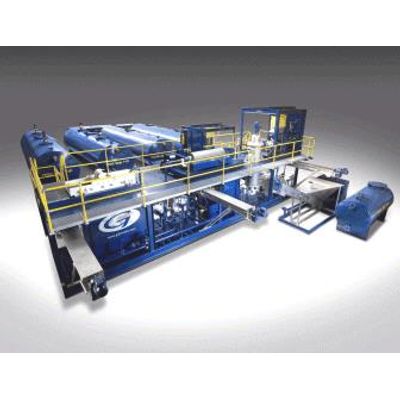
G-Force - Model MkIII - Oily Waste Treatment Plant
The Plant in the photo is specifically designed for the treatment of a wide variety of oily waste classifications from fresh slop oils stored in tanks to mixtures of weathered oily waste held in pits, lagoons and lakes. Its capacity is determined mainly by the viscosity of the feed. For example waste oils with a viscosity in the range of Cst30 at 50°C can be treated at 10 m3/hr whereas those having a Cst600 at 50°C can be treated at 2 m3/hr.
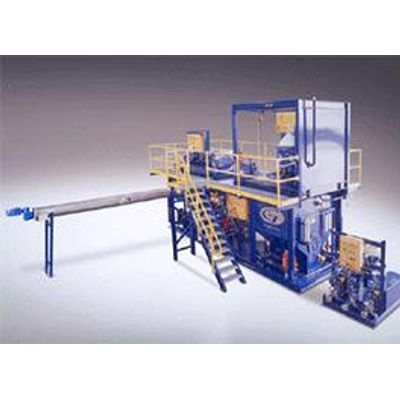
G-Force - Model MkII - Slop & Sludge Plant
The Plant in the photo is specifically designed for the treatment of Slop Oils. Its capacity is determined mainly by the viscosity of the feed. For example slop oils with a viscosity in the range of Cst30 at 50C can be treated 10 m3/hr whereas those having a Cst600 at 50C can be treated 2 m3/hr. We therefore recommend to treat at a temperature of 95C to maximize the plant capacity and to improve the overall separation performance to produce the highest quality oil. A major variable in treating slops are the concentrations of common contaminates, water & solids. G-force applies 3000-g force 2-phase decanters to handle any load of solids normally associated with slops.
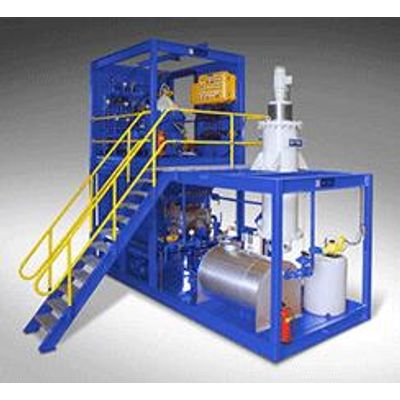
G-Force - Model MkI - Slop Oil Plant
The Plant in the photo is specifically designed for the treatment of Slop Oils defined as oily waste containing 3.0% solids-sediments by volume of the whole waste. Its capacity is determined mainly by the viscosity of the feed. For example slop oils with a viscosity in the range of 10-20 Cst at 50C can be treated at 15 m3/hr whereas those having a 180 Cst at 50C can be treated at 5 m3/hr. We therefore recommend to treat at a temperature of 95C to maximize the plant capacity and to improve the overall separation performance to produce the highest quality oil.
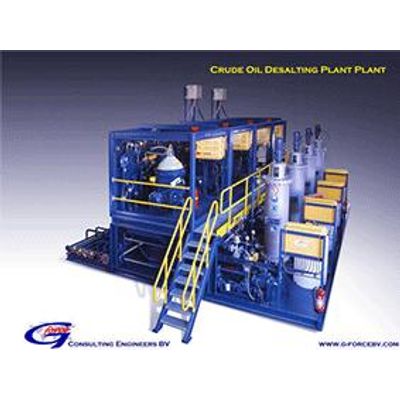
G-Force - Crude Oil Desalting Plant
This plant is utilized to wash salt from crude oil. In cases where crude oil is highly contaminated with salt deposits in order to upgrade the market value of the crude the salt must be washed and removed. There are different types of technology to use for this application, the principle one being the injection and mixing of fresh water into the crude so that the salt is transferred from the crude into the water phase and then the water phase (containing the salt) is separated from the crude oil. Separating the salt water from the crude is the critical step especially where treated material specifications are involved.
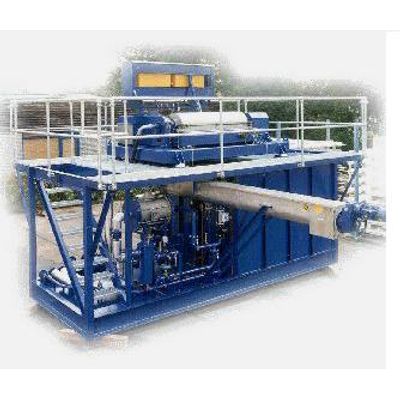
G-Force - Slop Oils and Oily Sludges Plant
Waste streams in oil refining and production facilities contaminated with excessive sediments are easy to separate from the liquid (oil & water) in a G-force decanter so that the liquid effluent portion can be returned to the refinery oil-water separators. If however after sediments are removed by the 2-phase decanter and the effluent phase (oil & water) need to be separated then the decanter module is to be installed in combination with the G-force MKII or MKIII or MKX Series Plants.
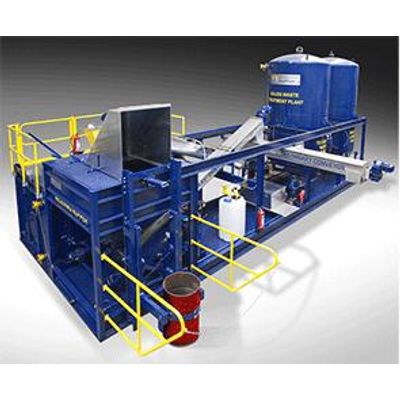
G-Force - Model MKJ - Mixing Plant
The Plant in the photo is specifically designed for the treatment of a wide variety of oily waste classifications from fresh slop oils stored in tanks to mixtures of weathered oily waste held in pits, lagoons and lakes. Its capacity is determined mainly by the viscosity of the feed. For example waste oils with a viscosity in the range of Cst30 at 50°C can be treated at 10 m3/hr whereas those having a Cst600 at 50°C can be treated at 2 m3/hr.
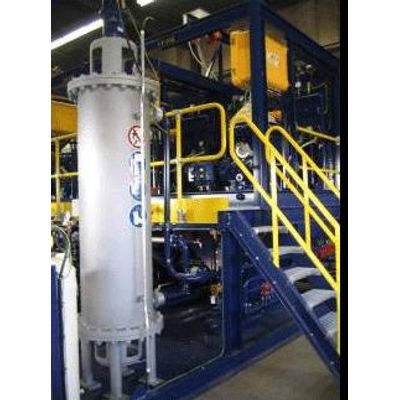
G-Force - Residence Time Reactor
Application treating chemicals improve separation efficiency, Treating chemicals improve separation oil water, Maximizing separation performance use treating chemicals slop, Reducing treating chemicals additives separation slop oil, Lower chemical treatment cost treating oily waste, chemical blenders, Reaction vessels mixing treating chemicals slop oils A small footprint high efficiency dynamic fluid blender designed for mixing treating chemicals into oily waste liquids so as to optimize the dispersion of treating chemicals into the feed volume to maximize plant separation efficiency and to minimize chemical consumption and treatment costs.
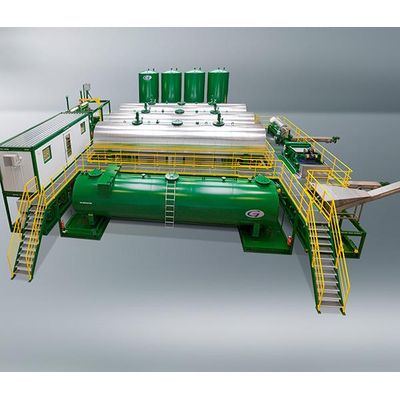
G-Force - Fully Automated Oily Waste Treatment Plant
G-force’s latest designed MKIIIFA. A Fully Automated Oily Waste Treatment Plant designed specifically to adjust process parameters to accommodate a wide range of oily waste classifications, simplify process decisions, reduce human error and eliminate down time.