


Geonor AS products
Pore Pressure Gauges
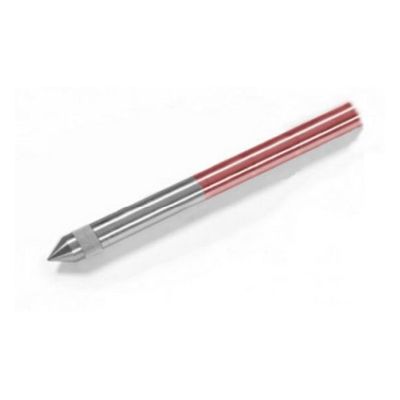
Geonor - Model M-605 Series - Push-in Vibrating Wire Piezometer
New type, simplified, more robust. For pressing down, can be used directly without pre-drilling. Made for 1" water pipes. Quick to install in soft ground. Short response time. Accuracy better than 0.5% of full scale. Measuring range 2 to 6 bar.
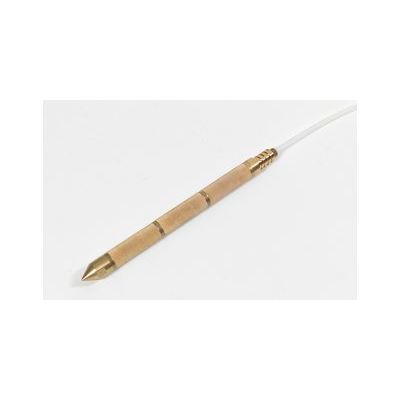
Geonor - Model M-603 Series - Open Push in Electrical Pore Pressure Gauges
The M-603 is a special version of the M-600, which is open to atmosphere and equipped with a rubber membrane over the pressure membrane. Using compressed air, a back pressure is applied to relieve the pressure membrane. This will balance against the pressure during depressurization and thus the pore pressure gauge can be depressed faster. The back pressure can also be used to relieve the membrane for reading the zero point frequency. Only available for standard cable and for maximum 6 bar.
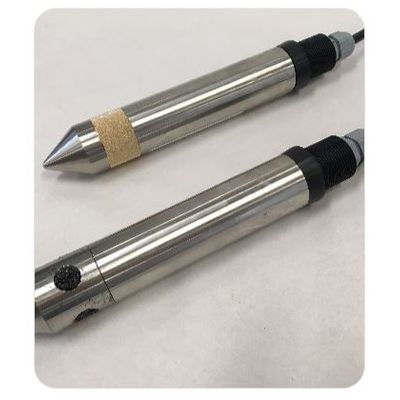
Geonor - Model M-610A Embedment Series - Electrical Pore Pressure Gauges
Designed for direct installation. Well suited for use in ponds, landfills, environmental wells, etc. Stainless steel housing, other materials such as titanium can be supplied on request. Measuring range 2 to 30 bar. Supplied with armored cable (FERE).
Geonor - Model M-207 - Hydraulic Piezometer
M-207 Hydraulic piezometer is further developed from M-206. The piezometer can be pressed down without pre-drilling, normally to a depth of approx. 30 m. Designed for Ø32 mm extension pipe.
Geotechnical Instrumentation - Reading
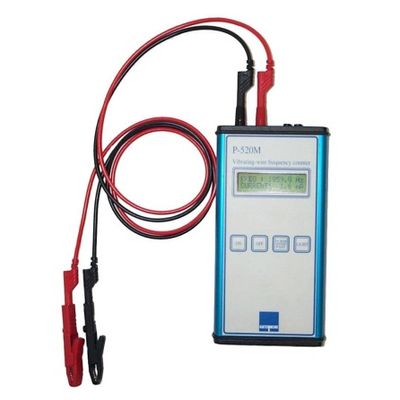
Geonor - Model P-520N - Vibrating-wire Frequency Counter
The P-520N frequency counter is the read-out instrument for all GEONOR vibrating-wire transducers. The counter is designed for use in situ and is enclosed in a rigid aluminium housing. The display shows the frequency of vibration in 0,1Hz, which has to be calculated to physical units using a calibration table. It is powered by a rechargeable 12 V NiCd battery.
Samplers
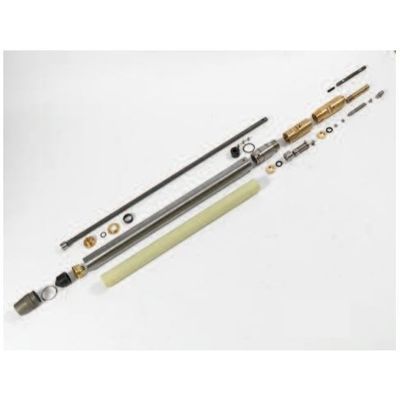
Geonor - Model K-100 - 54 mm - Thin Wall, Stationary Piston Samplers
54mm sampler, plastic cylinder, K-100 Effective sample length for the K-100 model is 700 mm. The sampler can be used on drilling rigs without dismantling the rods and sampler between each sampling. The K-100 model is equipped with interchangeable edges. A thin-walled edge for undisturbed samples in silt and clay, and a coarse edge for sandy soils. Sample catcher can be used together with the coarse edge.
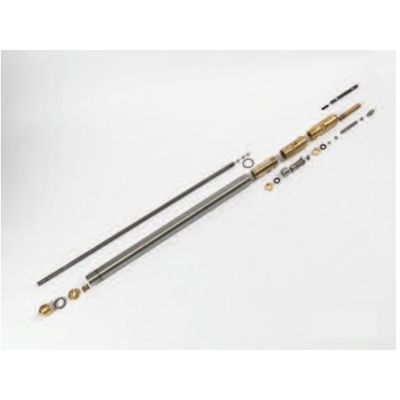
Geonor - Model K-200 - 54/76 mm - Thin Wall, Stationary Piston Samplers
K- 200 54mm sampler, steel cylinder, The K-200 model is supplied with a steel sample cylinder. Sample length 500 to 800 mm.
Field Vane Shear Testers
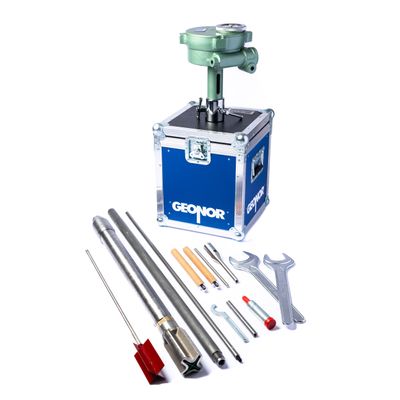
Geonor - Model H-10 - Field Shear Vane Borer
The field vane shear test (FVST) is a pivotal field instrument in geotechnical engineering, offering the most widely used method for in situ soil testing and field inspection. It provides a direct measurement of the undrained shear strength and sensitivity of soft clays. While primarily utilized for clay, the FVST can also offer insights into fine-grained soils like silt and, to a lesser extent, sand. Unlike other methods that may require a borehole or extensive equipment, the FVST is highly economical compared to the Cone Penetration Test (CPT), as it does not necessitate a drilling rig or highly qualified personnel. This makes it an efficient and practical tool for assessing shear strength characteristics on-site.

Geonor - Model H-60 - Handheld Field Vane Shear Tester
The Field Vane Shear Test (FVST) is a crucial field instrument and the preferred method for geotechnical engineers performing in-situ soil testing. It is the most commonly used technique for measuring the undrained shear strength (a key aspect of shear strength) of soft clay to stiff clay. For preliminary field inspection of soft clays, utilizing a hand-held vane shear test device is both economical and highly relevant. The method is known for its good repeatability and speed, providing valuable data for planning more detailed subsurface surveys, which may involve a borehole for deeper exploration. While FVST is primarily designed for clay, it can offer complementary insights when assessing fine-grained soils like silt and, to a lesser extent, certain deposits of sand.
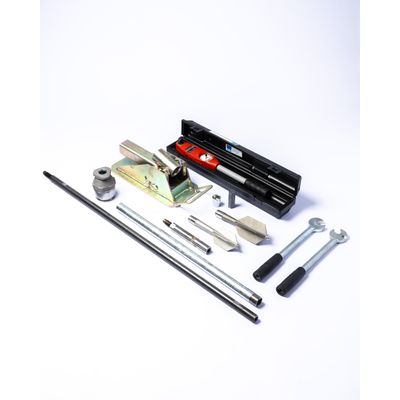
Geonor - Model H-70 - Field Inspection Vane Tester
The field vane shear test (FVST) is the most widely used method for measuring the undrained shear strength of soft clays in situ. A preliminary test with an inspection vane is economical, relevant, and provides quick, repeatable data for planning more detailed surveys. However, to obtain reliable results, your equipment must meet three requirements: 1. Avoid Soil Disturbance: The tester must allow direct penetration from ground level to avoid disturbances from boreholes. 2. Account for Friction: To prevent costly overestimations, the equipment must account for rod-soil friction, which is common below 3 meters. 3. Be Durable: The vane must be reliable even under the challenging conditions of deep operation.