


- Home
- Companies
- Good Innovation LLC
- Services
Good Innovation LLC services
Specialized Services
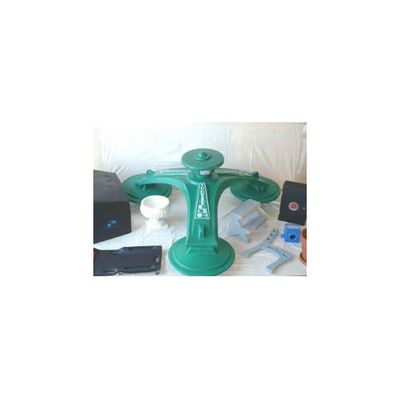
Plastic Rotational Molding
What is Plastic Rotational Molding? Plastic Rotational Molding is a versatile process that allows the economical production of primarily large, durable, and hollow plastic products for virtually endless applications. Possible product designs and shapes are left up to the imagination if held within simple guidelines. Parts as small as a golf ball or as large as a 10,000 gallon tank are successfully produced with wall thickness ranging from under a hundredth of an inch to several inches. Many plastic materials may be rotationally molded with the most popular being polyethylene, polyvinyl chloride, polypropylene, polycarbonate, and nylon resins. Over 90% of rotationally molded products utilize various grades of polyethylene.
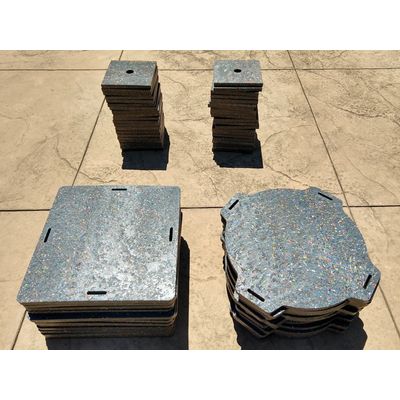
Commingled Plastic Recycling and Molding
A large variety of materials fall into the category of plastics. These versatile materials have found their way into almost every aspect of daily life. Often described as durable materials they unfortunately spend the majority of their long life in a land fill. In 1998 the EPA found that over 21 million tons of plastics headed for land fills. They also estimated that only 5.2% of these materials were diverted for recycling that year. Why is this when a large percentage of these materials are considered recyclable? The downfall of most recycling programs is that the materials were diverted for use in traditional plastic processing. This required separation, cleaning, removal of ink and labels, and other cost prohibitive operations that cause the price of these recovered materials to approach that of virgin resins. In addition some material groups such as thermo sets, co extrusions, and highly commingled or mixed plastics were labeled as un-recyclable.