
Greenbud
3 services found
Greenbud services
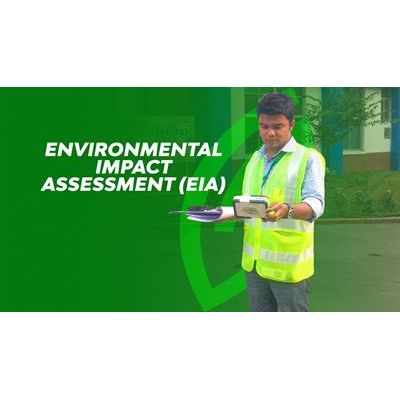
GREENBUD - Environmental Impact Assessment (EIA)
Environmental Impact Assessment (EIA) is a process of evaluating the likely environmental impacts of a proposed project or development, taking into account inter-related socio-economic, cultural and human-health impacts, both beneficial and adverse. Environmental Impact Assessment (EIA) as a tool used to identify the environmental, social and economic impacts of a project prior to decision-making. It aims to predict environmental impacts at an early stage in project planning and design, find ways and means to reduce adverse impacts, shape projects to suit the local environment and present the predictions and options to decision-makers. By using EIA both environmental and economic benefits can be achieved, such as reduced cost and time of project implementation and design, avoided treatment/clean-up costs and impacts of laws and regulations.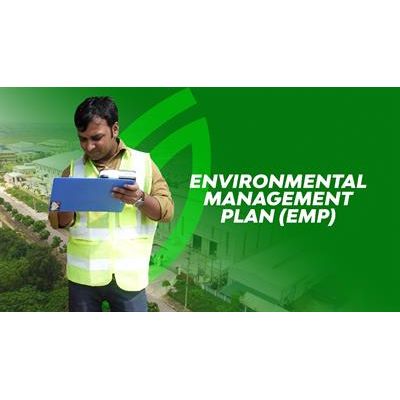
Greenbud - Environmental Management Plan (EMP)
An Environmental Management Plan (EMP) can be defined as “an environmental management tool used to ensure that undue or reasonably avoidable adverse impacts of the construction, operation and decommissioning of a project are prevented; and that the positive benefits of the projects are enhanced”. EMPs are therefore important tools for ensuring that the management actions arising from Environmental Impact Assessment (EIA) processes are clearly defined and implemented through all phases of the project life-cycle.