
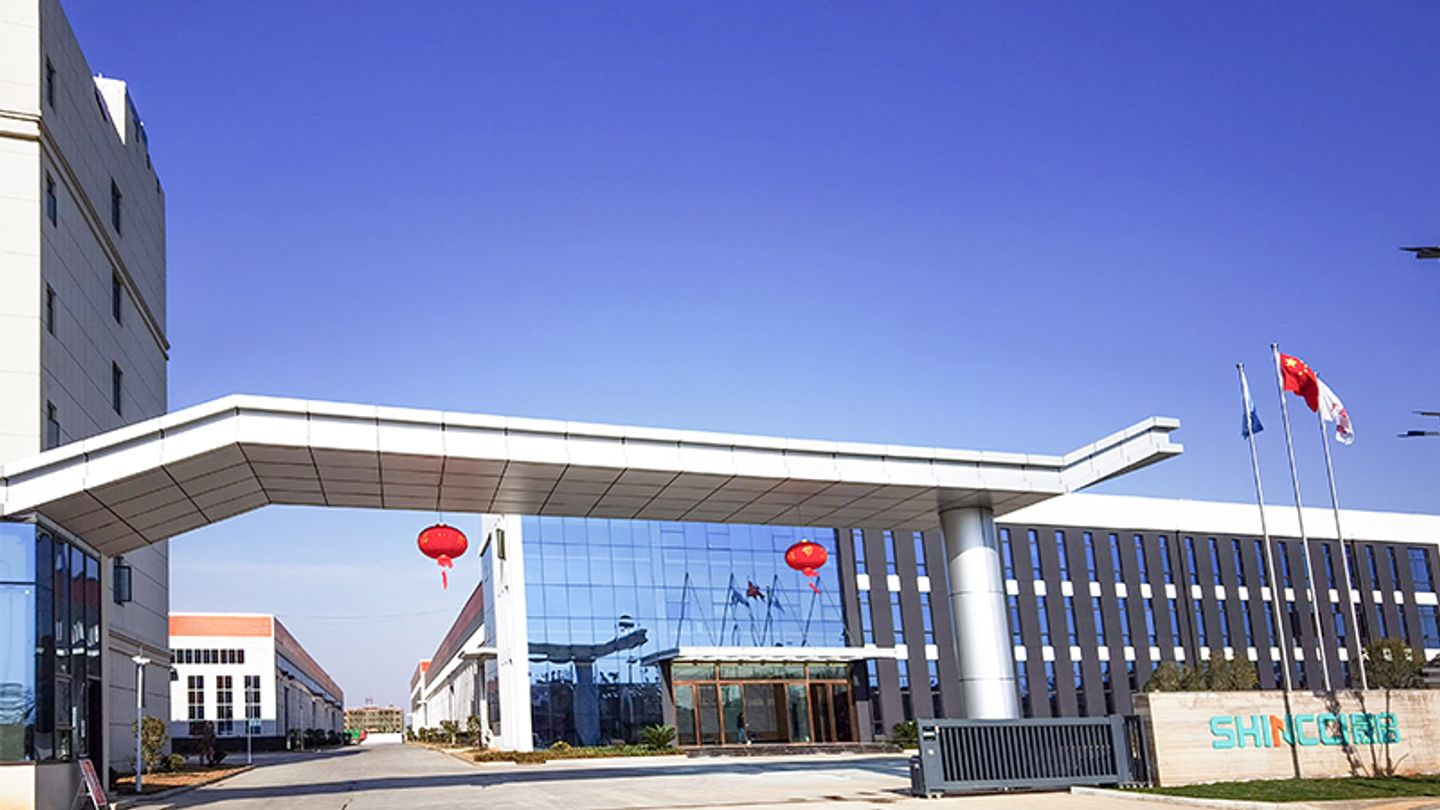

Guangzhou Shincci Energy Equipment Co., Ltd. articles
With the rapid development of the city, the number of sewage treatment plants and sewage treatment capacity increase simultaneously, leading to a rapid increase in the amount of sludge. In the past, concentrated sludge was only treated to 80% water content by mechanical dehydration before relevant disposal. There are secondary pollution and other problems that seriously affect the sustainable development of the city. Taking Guangzhou as an example, the characteristics of municipal sludge qual
SHINCCI SLUDGE DERYER
Based on the sludge incineration and disposal project of an urban sewage treatment plant in Changzhou City, this paper summarizes the main pollution problems and control measures in the process of sludge drying and incineration from the perspective of disposal technology, and provides a reference for the pollution control of similar projects.
The wet sludge with moisture co
SHINCCI
The low-temperature heat pump belt drying system is a closed circulation system, and the hot air can be recycled after being heated and dehumidified, without the need for external exhaust gas. In the process of sludge heating and drying, volatile organic compounds will be produced, which will be dissolved in the condensate along with the condensation of water vapor in the exhaust gas, so that the wastewater contains a small amount of pollutants such as COD, BOD and ammonia nitrogen. Compared
SHINCCI
Sludge is the sediment produced by wastewater treatment, including solid particles, such as sludge, sand, fiber, animal and plant residues and their solidified flakes, various colloids, adsorbed organic matter and metal elements, microorganisms, bacteria, insect eggs, weed seeds and other solids embedded in wastewater. The sewage sludge of the municipal sewage treatment plant is mainly composed of organic substances. Whether it can be used on a large scale depends largely on the characteristi
SHINCCI
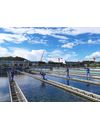
With the rapid development of the city, the number of sewage treatment plants and sewage treatment capacity increase simultaneously, leading to a rapid increase in the amount of sludge. In the past, concentrated sludge was only treated to 80% water content by mechanical dehydration before relevant disposal. There are secondary pollution and other problems that seriously affect the sustainable development of the city. Taking Guangzhou as an example, the characteristics of municipal sludge qual
SHINCCI
With the development of urbanization and social economy, the total annual sludge production in China continues to rise. As of January 2020, there are 10113 sewage treatment plants in China. The treatment capacity of urban sewage treatment plants nationwide is 177 million cubic meters per day, and the total sewage treatment capacity is 53.2 billion cubic meters. According to prospective estimates, the dry sludge generated by them is about 12.32 million tons, and the dry sludge disposal capacit
SHINCCI
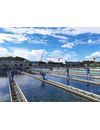
Sludge mainly comes from urban sewage treatment plants and industrial sewage treatment plants. It is the waste generated by sewage treatment plants
For transportation and subsequent disposal, the sewage treatment plant will not leave the factory until the sludge is mechanically filtered. Generally, the water content is 80% or lower.
Sludge is a heterogeneous body composed of organic fragments, bacteria, inorganic particles and colloids, which is difficult to be thoroughly settle
SHINCCI
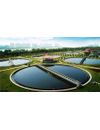
Due to the development of social economy and the increase of population, the total amount of industrial waste, industrial waste water, domestic waste and domestic sewage is increasing. The harmless, reduced and resourceful disposal of sludge collected by industrial and urban sewage treatment plants is a subject currently being studied and practiced by domestic peers.
Characteristics of sludge
Sludge mainly comes from urban sewage treatment plants and industrial sewage treatment
SHINCCI SLUDGE DRYER
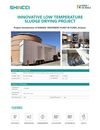
Sewage sludge treatment describes the processes used to manage and dispose of sewage sludge produced during sewage treatment. Sludge treatment is focused on reducing sludge weight and volume to reduce transportation and disposal costs, and on reducing potential health risks of disposal options. Water removal is the primary means of weight and volume reduction, while pathogen destruction is frequently accomplished through heating during th
SHINCCI
There are many kinds of sludge, mainly including industrial enterprises of sludge, such as electroplating sludge, printing and dyeing sludge, sludge and so on. River, waterworks sludge, sludge, etc. Municipal sludge (also known as sewage treatment plant sludge) is the development and long-term stability of urban sewage treatment, which produces a large amount of sludge, and due to its unique physical and chemical properties, such as improper disposal, environmental damage is very serious.
SHINCCI