


Harold Beck & Sons, Inc., products
Quarter Turn Electric Valve Actuators - Part-Turn Electric Rotary Actuators
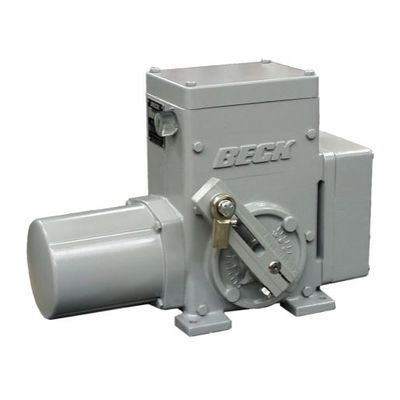
Harold-Beck - Model 11-150 - Rotary Damper Drives and Actuators
Group 11 rotary damper drives and actuators offer the benefit of a total control package, utilizing reliable electronics to match the speed and precision of your process instrumentation.
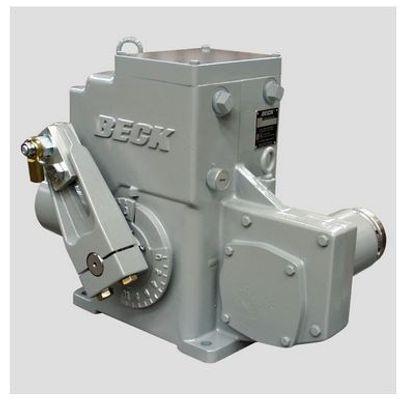
Harold-Beck - Model 11-200 - Rotary Damper Drives and Actuators
Group 11 rotary damper drives and actuators offer the benefit of a total control package, utilizing reliable electronics to match the speed and precision of your process instrumentation.
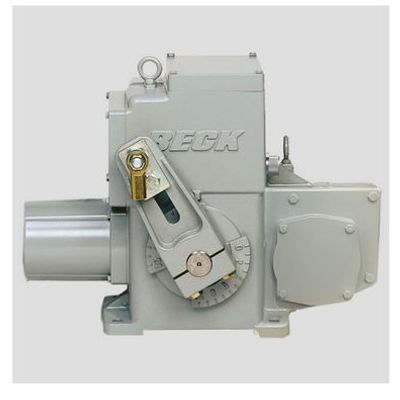
Harold-Beck - Model 11-300 - Rotary Damper Drives and Actuators
Group 11 rotary damper drives and actuators offer the benefit of a total control package, utilizing reliable electronics to match the speed and precision of your process instrumentation.
Quarter Turn Electric Valve Actuators - Quarter-Turn Electric Valve Actuators
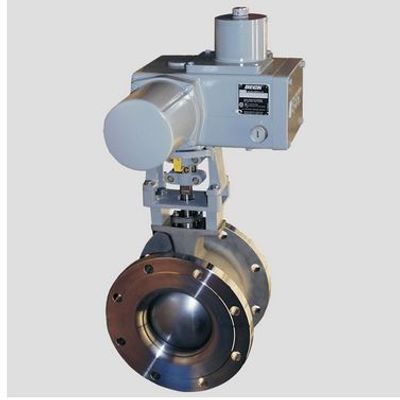
Harold-Beck - Model 11-160 - Quarter-Turn Electric Rotary Actuator
Group 11 Beck drives offer the benefit of a total control package, utilizing reliable electronics to match the speed and precision of your process instrumentation.
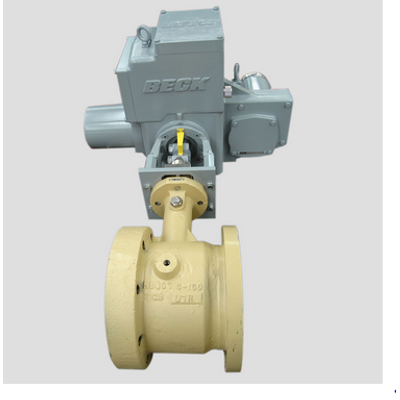
Harold-Beck - Model 11-260 - Quarter-Turn Electric Rotary Actuator
Group 11 Beck drives offer the benefit of a total control package, utilizing reliable electronics to match the speed and precision of your process instrumentation.
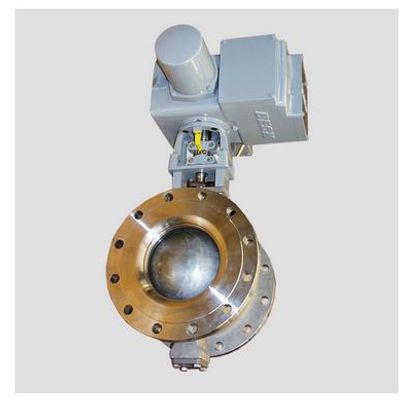
Harold-Beck - Model 11-360 - Quarter-Turn Electric Rotary Actuator
Group 11 Beck drives offer the benefit of a total control package, utilizing reliable electronics to match the speed and precision of your process instrumentation. Standard Group 11 modulating drives (control option 9) are equipped with Beck’s Digital Control Module (DCM), which controls the position of the drive according to the input signal it receives. A position feedback signal is delivered to the DCM from the position sensing device (Beck’s Contactless Position Sensor (CPS).
Linear Stroke Actuators - Linear Valve Actuator
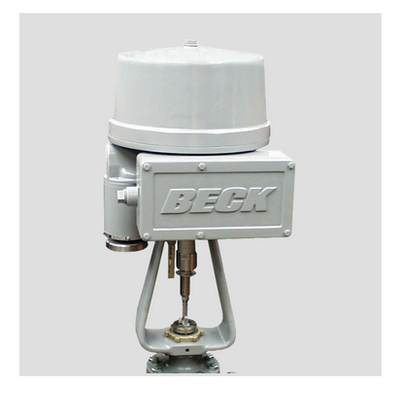
Harold Beck - Model 14-100 - Precision Linear Actuator
Group 14 linear valve actuators offer the benefit of a total control package, utilizing reliable electronics to match the speed and precision of your process instrumentation.
Linear Stroke Actuators- Electric Linear Actuators
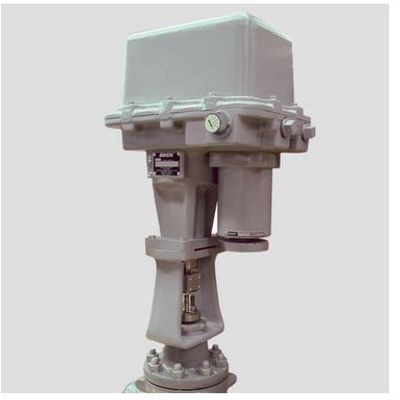
Harold-Beck - Model 29-100 - Electric Linear Actuator
Group 29 Beck drives offer the benefit of a total control package, utilizing reliable electronics to match the speed and precision of your process instrumentation. Standard Group 29 modulating drives (control option 9) are equipped with Beck’s Digital Control Module (DCM), which controls the position of the drive according to the input signal it receives. A position feedback signal is delivered to the DCM from the position sensing device (Beck’s Contactless Position Sensor (CPS-4)).
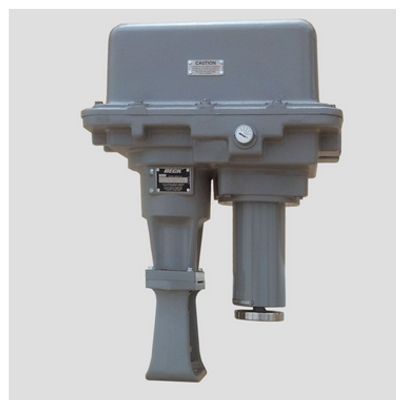
Harold-Beck - Model 29-250 - Electric Linear Actuator
Group 29 Beck drives offer the benefit of a total control package, utilizing reliable electronics to match the speed and precision of your process instrumentation. Standard Group 29 modulating drives (control option 9) are equipped with Beck’s Digital Control Module (DCM), which controls the position of the drive according to the input signal it receives. A position feedback signal is delivered to the DCM from the position sensing device (Beck’s Contactless Position Sensor (CPS-4)). This signal is continuously compared to the demand input signal. A change in the input signal results in an immediate repositioning of the drive to balance the two signals.
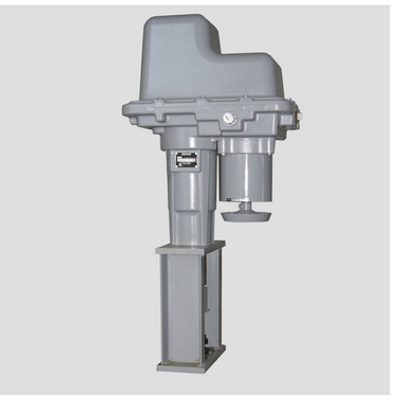
Harold-Beck - Model 29-600 - Electric Linear Actuator
Group 29 Beck drives offer the benefit of a total control package, utilizing reliable electronics to match the speed and precision of your process instrumentation. Standard Group 29 modulating drives (control option 9) are equipped with Beck’s Digital Control Module (DCM), which controls the position of the drive according to the input signal it receives. A position feedback signal is delivered to the DCM from the position sensing device (Beck’s Contactless Position Sensor (CPS-4)). This signal is continuously compared to the demand input signal. A change in the input signal results in an immediate repositioning of the drive to balance the two signals.