


Hazen and Sawyer, P.C. services
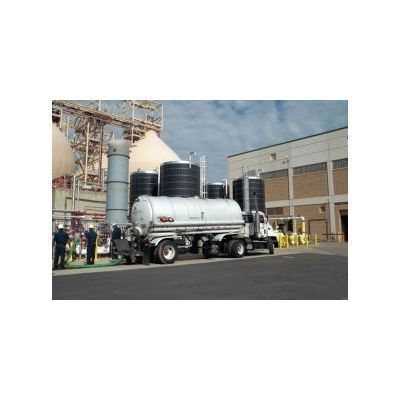
Biosolids & Residuals Services
With the promulgation of 40 CFR 503 regulations governing the management and ultimate disposal of wastewater treatment residuals, utilities now often find themselves under pressure to provide upgraded and enhanced residuals treatment and management. Increasingly, state and local government agencies are adopting even more stringent regulations and requirements governing ultimate disposal of residuals generated during the wastewater treatment process. These changes in the federal, state, and local regulatory environment have driven a continued shift to further residuals processing and treatment resulting in a final product which has low pathogen and metals concentrations and does not exhibit significant odors.
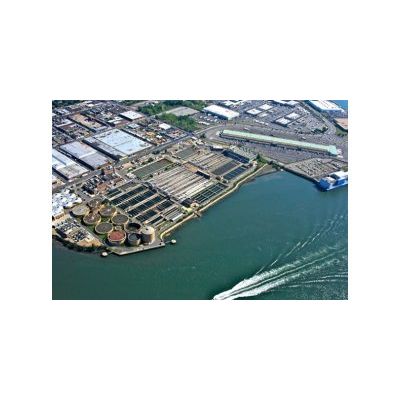
Climate Adaptation Services
More and more municipalities must consider the impacts of evolving climate conditions to prevent catastrophic damage to water and wastewater infrastructure. Others must alter or diversify operating protocols to maintain service under threat of drought or other extreme conditions. Hazen and Sawyer has helped many municipalities identify and prepare for a range of possible climate conditions and develop cost-effective strategies for protecting public health and the environment.
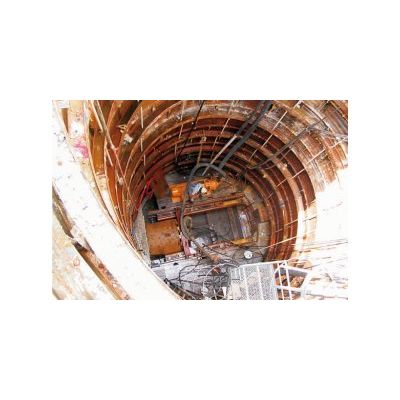
Buried Infrastructure Services
Beneath our towns and cities lay billions of dollars’ worth of underground infrastructure. Much of this infrastructure was built many decades ago, and is reaching a point of dangerous deterioration. Hazen and Sawyer has an established track record of assessing and rehabilitating or replacing aging buried infrastructure, and in designing repairs and improvements.
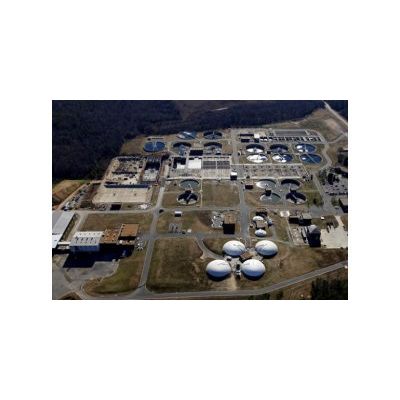
Construction Management
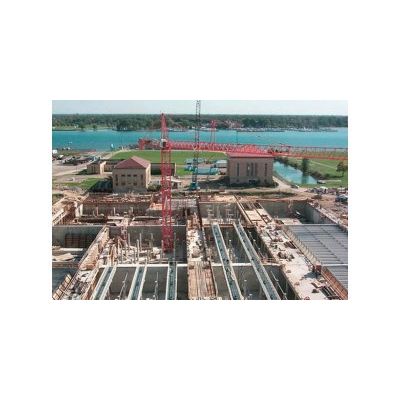
Building today’s public works infrastructure is a complex task. Even small projects often consist of multiple contracts. Add in legal requirements, limited workspace, tight budgets, and regulatory-driven schedules, and the challenges quickly multiply. That’s where Hazen and Sawyer’s Construction Management (CM) group can help.
Alternative Project Delivery
As the largest engineering firm in the country focused entirely on water and wastewater, Hazen and Sawyer has an unique understanding of plant operations and maintenance, the regulatory environment, and how best to achieve your goals and satisfy your stakeholders and customers. Our expertise makes us well-qualified to help you select the project delivery method that best suits any water-related project.
Asset Management
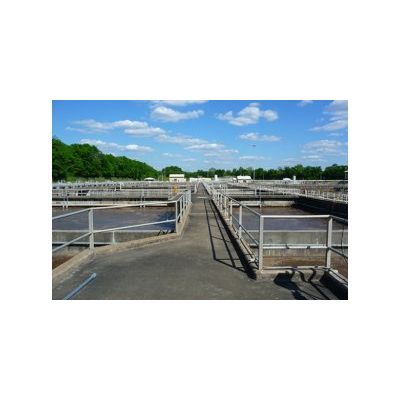
Aging infrastructure, shifting populations, and the need to avoid rate increases all put significant strain on utility operations. We have helped many utilities ease the strain, using quick analysis to identify ways to reduce operating costs, which can then be capitalized to make system and/or facility improvements while keeping rates neutral. Our asset management expertise includes every aspect of the water cycle, from drinking water supply infrastructure to wastewater treatment facilities.
Watershed Management
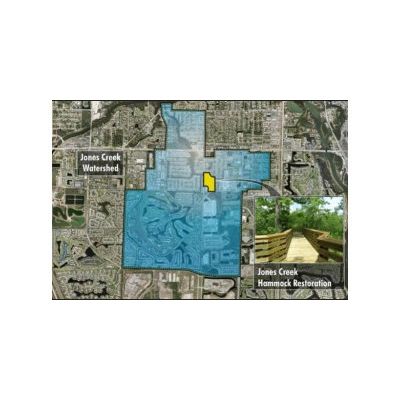
Watersheds are drainage areas that capture stormwater and snowmelt flows into a waterbody, such as a river, lake, estuary, or reservoir. These waterbodies supply drinking water to area residents, provide recreation and respite, and sustain natural ecology, providing habitat for birds, fish, and other wildlife.
Water Resources Management
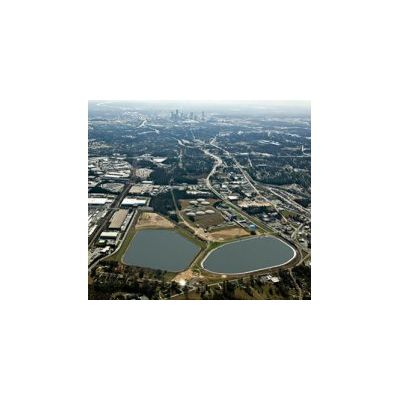
Limited water supplies, growing and evolving demands, and competition among scarce resources create difficult trade-offs for decision makers who must plan effectively under uncertain conditions. Today’s water management environment requires innovation in dealing with the complex dynamics of physical, social, economic, and information systems.
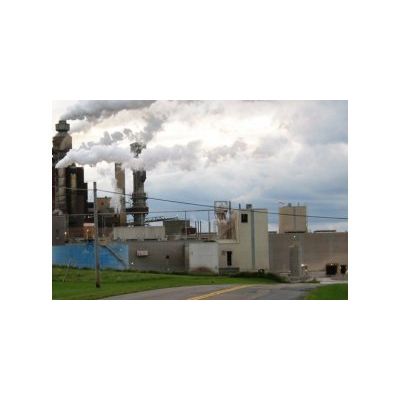
Industrial Wastewater
Since our founding, Hazen and Sawyer has provided water and wastewater treatment services for many industrial clients around the globe. We offer decades of experience in analysis, modeling, design, and construction, and can provide the most cost-effective, environmentally-sound, and forward-thinking solutions for regulatory compliance.
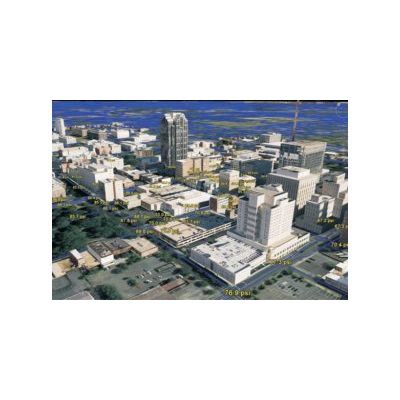
Hydraulic Analysis and Modeling
Hydraulic models illustrate the effects of changing demand and climactic conditions on water distribution and wastewater collection systems – predicting pressures and identifying bottlenecks – and demonstrate the effectiveness of proposed solutions. By testing different alternatives and using the existing system to full advantage, models help utilities minimize the cost of improvements.