

- Home
- Companies
- HBE Risk Management
- Services
HBE Risk Management services
Asbestos Management Services
Up to 500,000 commercial, industrial and public buildings in the UK are likely to contain asbestos materials. Unless this material is properly managed then workers, especially maintenance workers and contractors, may breathe in the deadly fibres whilst carrying out their routine jobs.In the UK the Control of Asbestos Regulations 2012 places a legal duty on those parties responsible for maintaining and repairing the premises, (owners, managing agents, employers, self-employed), to manage the risk from asbestos.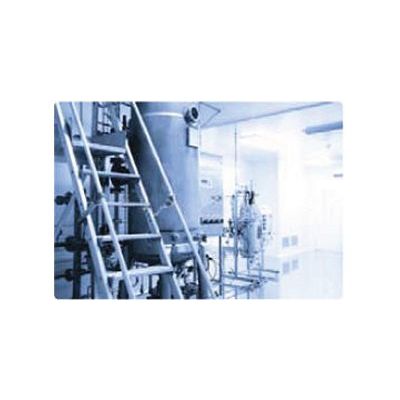
Indoor Air Quality & HVAC Service
Many products and processes require the control of airborne contamination during manufacturing and processing include aerospace, food & drink, healthcare, medical devices, microelectronics, pharmaceutical, biotechnology and automotive industries. Cleanrooms and associated control environments require continuous testing, monitoring and routine re-qualification to ensure compliance with the controlled low levels of environmental pollutants such as dust, airborne microbes, aerosol particles and chemical vapours, sometimes using separate devices such as Clean Airhoods, Gloveboxes, Isolators and mini environments. Some HVAC systems also control temperature, pressure and humidity using ionizers to prevent electrostatic discharge problems. All these systems require routine re-qualification, testing and monitoring to provide evidence of continual compliance with the legislation.
Fire Risk Assessments Services
Each year over 40,000 fires occur in non-domestic buildings and over 69,000 fires in dwelling premises resulting in over 600 tragic deaths. Millions are lost from damage to property, loss of business, fines, compensation claims and increased insurance premiums.Health & Safety Audits Services
A Health and Safety Audit is conducted to evaluate compliance and identify opportunities for improvement. A summary of all of the audit findings is presented in a Health & Safety Audit Checklist Scorecard.Pre-Commission Cleaning of Pipework Services
The pre-commission cleaning of closed loop systems has become more important over recent years; due to the equipment used being more susceptible to blockages at strainers, control valves and small bore pipework.System contaminants such as millscale, jointing compounds and fabricating debris need to be removed by chemical cleaning and high velocity flushing, which will then allow the oPre-commission cleaning of closed loop systems in Belfast, Scotland Edinburgh, glasgow and Manchester, UKn-going water treatment regime to work effectively in preventing corrosion and microbiological fouling.
Environmental Services
Water systems are integral to many industrial processes and are a necessary requirement in nearly all domestic and commercial environments. Efficient operation of these systems is essential to minimising running costs and maintaining production. Of equal importance are safety and hygiene considerations, particularly with regard to the control of Legionella bacteria. Neglected water tanks and systems are high-risk areas for the proliferation of these bacteria, as they thrive in contaminated or stagnant conditions. When water droplets from these sources are disseminated and breathed-in, this can result in the spread of Legionnaires’ disease.