


Headland Archaeology (UK) Ltd services
Environmental
Geoarchaeology
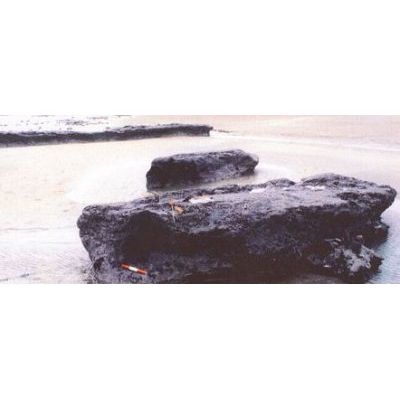
Dr Scott Timpany, Headland’s UK Environmental Manager, has recently completed a review for English Heritage on the marine deposits along the coastline of southern England from the Severn to the Thames Estuary. This report and the forthcoming publication provide a summary of previous geoarchaeological work undertaken across this area of southern England and the conclusions of this will form part of the national research agenda.
Human Diet
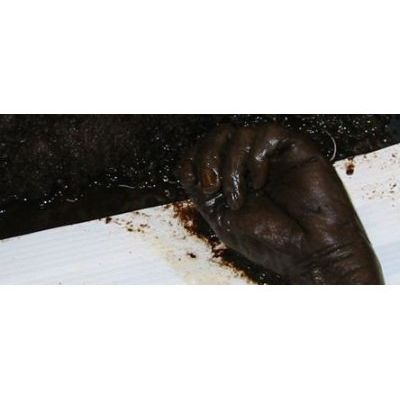
Well-preserved human remains such as the Tyrolean Ice body (Otzi) and the European bog bodies offer many avenues for investigation that are not normally open to archaeologists. Headland has an in-house expertise in the microscopic analyses of plant and animal remains and is therefore periodically asked to contribute to research projects requiring these forensic skills. Recent projects have included analysis of the gut contents of several internationally famous bodies: Otzi the Tyrolean Ice Man, the Clonycavan and Oldcroghan bog bodies for the National Museum of Ireland as well as mummies from Zanjan Province Iran on behalf of Bradford University.
Newrath Wetland Site
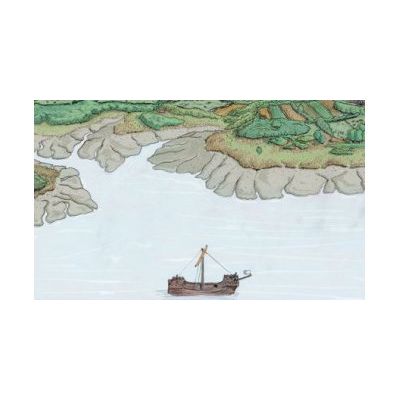
A programme of palaeoenvironmental works was commissioned from a multi-period wetland site in Newrath, Co Kilkenny for the National Roads Authority of Ireland (NRA). Here a multi-proxy approach was coordinated using both in-house specialists (pollen, plant macrofossil, wood analyses) and specialists from Bath-Spa, Coventry and St Andrews Universities (foraminifera, diatom analyses). Results show Newrath was an increasingly wet environment from the Neolithic onwards with a successional sequence of dry land surface - carr-woodland – reedswamp – saltmarsh. Analyses also show evidence for agricultural practice in both the Neolithic and Bronze Age, with the former taking place during a period of increasingly unsettled weather patterns.