


Homogenising Systems Limited products
Homogenizers
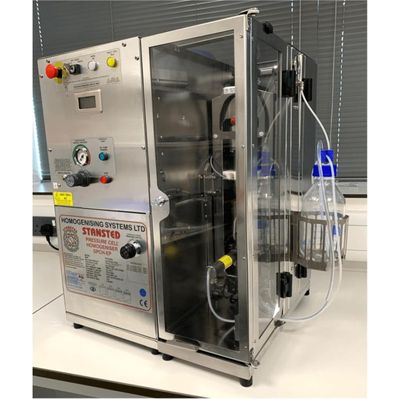
Homogenising - High Shear Laboratory Homogenizer
Highly versatile, with repeatable results, pressure and temperature control. Process volumes to 275ml per minute / 16 L per hour and a wide range of sample sizes from 1m to 35ml. Improved processing efficiency for multiple applications - Cell Lysis, Protein Purification, Particle size reduction, Liposome preparation, Nanoemulsions and Dispersions. Controllable pressures up to 60,000 psi (410 MPa). Multiple sample sizes. Flow rates from 1ml to 275ml per minute / 16 L per hour. Easy to use.
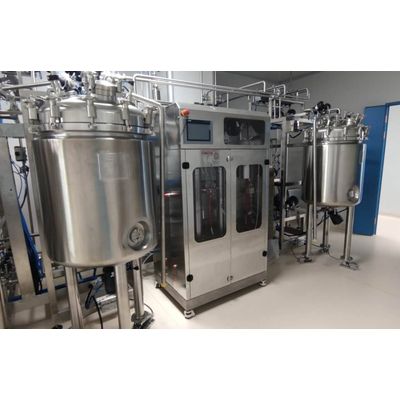
Homogenising - Pilot Homogenizers
Fully featured systems up to 130 l/hr. Continuous, smooth delivery and options of piston gap and micro-channel processing technology. Our pilot scale High Pressure Homogenising systems offer unrivalled performance with repeatable results and excellent reliability for continuous high shear fluid processing up to 130 l/h. Applications include Particle Size Reduction, Nanoemulsions, Cell Disruption and Liposome preparation.
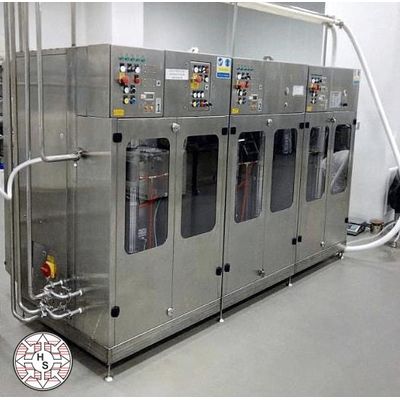
Homogenising - Model 085 Hy-Drive Series - Production Homogenizers
Our Ultra High Pressure Homogenising systems offer unrivalled performance, with repeatable results, for continuous high shear fluid processing up to 1000 l/h for production applications including Particle size reduction, Nanoemulsions and Liposome preparation. The 085 "Hy-Drive" series of Homogenisation / Cell Disruption systems have been developed to meet the special requirements associated with Pharmaceutical, Biotechnology, Nutraceuticals and Chemical processing applications.
Cells & Materials - Cell Lysis Homogenizers - Cell Types
Homogenising - Escherichia Coli (E. Coli) Cells Homogenizer
Escherichia coli (E. coli) is used in many sectors where bacterial lysates and cell proteins are utilized in multiple applications, for example in the life science industries. Access to precious cell contents requires Cell Lysis and the preparation of the lysate obtained can be achieved by different techniques. Our HPH method is widely used and has numerous benefits in comparison to other methods including sonication and enzymatic lysis.
Homogenising - Yeast Cell Homogenizers
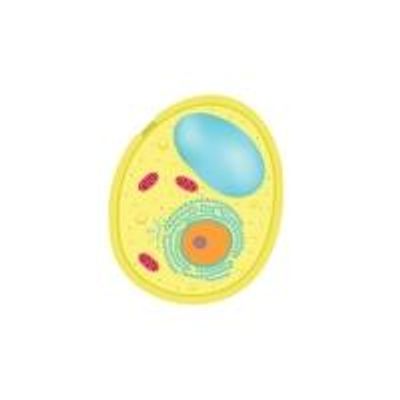
Our experience, backed-up by published literature suggests, to disrupt yeast cells (depending upon the type of yeast), 1500 to 2000 bar (150 to 250 MPa pressure) and 1 to 2 passes are usually recommended. The STANSTED high pressure homogenizer range provides controllable, repeatable, and optimal combination of processing pressure and passes for all types of yeast cells. The processing images below show the high cell lysis efficiency our STANSTED cell Homogenizers can achieve.
Homogenising - Mammalian Cells Homogenizer
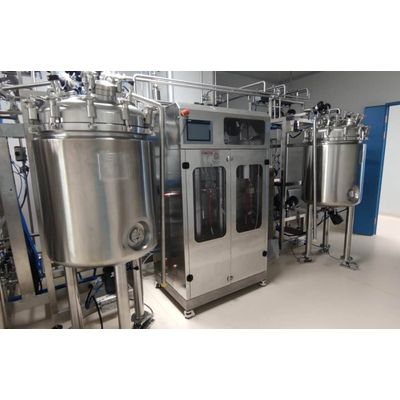
Mammalian cell cultures are commonly used because of their genetic modifiability and ease of maintenance. With their thin membrane they are an easy cell type to disrupt. Milder conditions during cell disruption can be provided by our adaptable technology which will preserve the quality and yield of the cell contents and to leave them undamaged.
Cells & Materials - Materials - Substances

Homogenising - Graphene Production Homogenizer
The exceptional properties of Graphene include its ultra high tensile strength (100 times stronger than steel), excellent electrical and thermal conductivity and the thinnest 2D material known. Graphene is then suitable for a wide range of next-generation applications including when utilized in `layers` with other 2D nanomaterials. It is also the fundamental structural element of Carbon Nanotubes.
Homogenising - Carbon Nanotubes Homogenizer
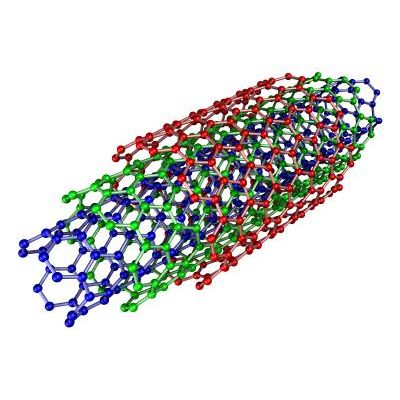
Carbon nanotubes (CNTs) are cylindrical molecules of single-layer carbon atoms (graphene). They can be single-walled (SWCNT) with a diameter of less than 1 nanometer (nm) or multi-walled (MWCNT). Their length can reach several micrometers. Carbon nanotubes exhibit many remarkable properties including outstanding thermal and electrical conductivity and exceptional tensile strength. To be prepared for use in applications CNTs usually first need to be dispersed into a liquid medium. This requires separation of the bundles, a process which is often carried out by sonication. However, the disadvantages of this method is that it can be very time-consuming and is only suitable for low volumes.
Homogenising - Nano-Structured Nanocellulose Homogenizer
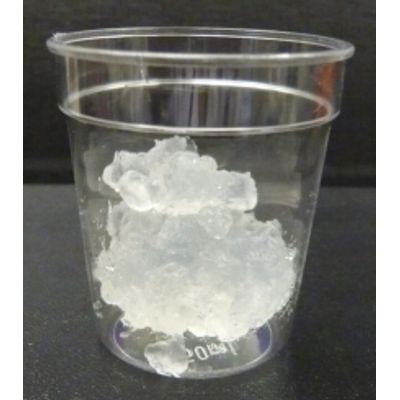
Nanocellulose is nano-structured cellulose that has been extracted from the cell wall, from a cellulose source such as (e.g. wood pulp). Nanocellulose is also referred to NFC, MFC, CNF, and CNC.