


IML Instrumenta Mechanik Labor Electronic GmbH products
Wood Testing Systems

PiCUS - Model TreeTronic - Rot Detection with Electric Resistance Tomography
The electrical resistance tomograph PiCUS TreeTronic is used for detailed tree examinations as part of road safety inspections in combination with the PiCUS Sonic Tomograph in order to determine more precisely the remaining wall thickness as well as more detailed information about the type and extent of damage. The electrical resistance tomography of the PiCUS TreeTronic show in particular the early stages of rot and help to interpret sonic tomograms if they provide blurred images due to cracks in the tree. The measurement method is abbreviated with the letters ERT (Electric Resistance Tomography). The measurement results of the electrical resistance tomograph (ERT) can be displayed in 2D and 3D graphics using the PiCUS Expert software. This shows the extent of the defect in gradations. The 3D view also shows the vertical course of the damage. This data can be used to make a forecast of how the tree’s resistance to breakage will develop over the next few years.
PiCUS - Model TreeQinetic - Tensile Test for Root Condition
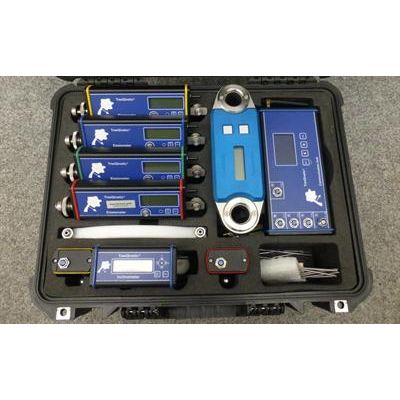
The tensile test with the PiCUS TreeQinetic provides you with all the measurement data you need to determine the root condition and the resistance to trunk breakage. During the tensile test, the tree is exposed to a defined equivalent wind load. The PiCUS TreeQinetic records three measured variables at the same time: Applied force, Stretching or compression of the wood fibers, Root plate inclination. To do this, the tree is pulled with a rope attached to the crown and with the help of a wrench. The load generated in this way and the reaction of the tree are measured with the Forcemeter, Inclinometer and Elastometer of the PiCUS TreeQinetic. In this way, it is possible to determine how a tree behaves under load with a single measurement setup.
PiCUS - Model TreeMotion - Tree Wind Reaction Measurement Sensor
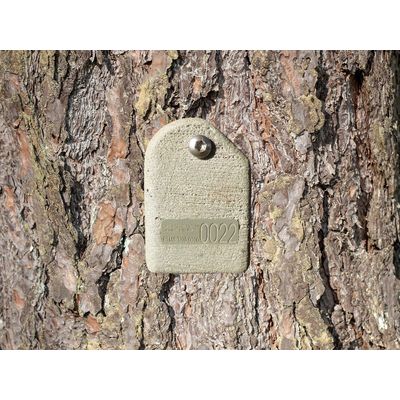
The wind reaction measurement of the TreeMotion Sensor records the swinging movement of trees under real conditions and allows conclusions to be drawn about the anchoring of the roots in the ground. In addition to the properties of the tree, all factors influencing the environment on the wind are taken into account. This allows the stability to be assessed in the actual wind exposure. A base sensor directly measures the root plate inclination at the base of the trunk. A control sensor measures the inclination at a height of 2 to 3 meters so that the real wind reaction of the tree can be distinguished from sources of interference. The PiCUS TreeMotion Sensor can independently record the measurement for hours, days or weeks. The data evaluation takes place comfortably in the office.