


Imspex Diagnostics Ltd. products
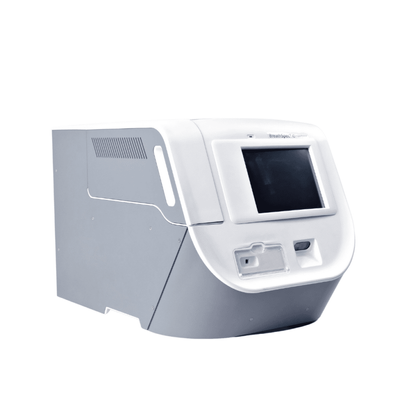
Imspex BreathSpec - Model V2 - Ion Mobility Spectrometry Breath Analyzer System
BreathSpec® V2 is Imspex Medical’s Next Generation breath analyser. Its unique combination of gas chromatography (GC) and Ion Mobility Spectrometry (IMS) technologies result in a number of benefits for users and healthcare providers across multiple applications.
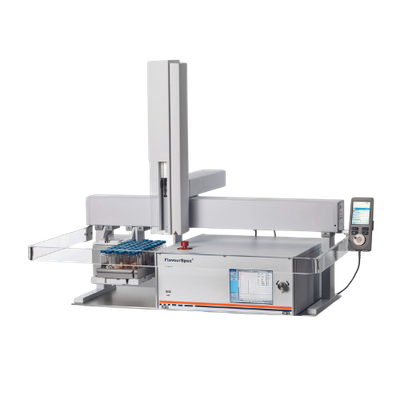
Imspex FlavourSpec - Liquid and Solid Headspace Analyses System
FluidSpec™ brings the GC-IMS capabilities to bear on liquid and solid headspace analyses such as those done to detect infectious diseases such as Group B Streptococcus. This device brings all the established functionality of the Imspex group’s FlavourSpec® device with a rebranded identity that fits comfortably in a medical market. Analysis is automated and results are produced within minutes. The device has demonstrated particular accuracy with disease indications such as Group B Streptococcus infection with 89% specificity and 95% sensitivity.
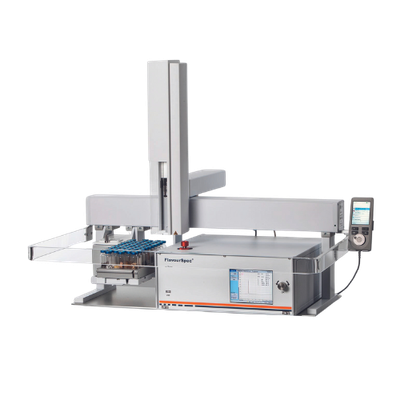
Imspex FluidSpec - Liquid and Solid Headspace Analyses System
FluidSpec™ brings the GC-IMS capabilities to bear on liquid and solid headspace analyses such as those done to detect infectious diseases such as Group B Streptococcus. This device brings all the established functionality of the Imspex group’s FlavourSpec® device with a rebranded identity that fits comfortably in a medical market. Analysis is automated and results are produced within minutes. The device has demonstrated particular accuracy with disease indications such as Group B Streptococcus infection with 89% specificity and 95% sensitivity.
Imspex - Ion Mobility Spectrometry
What is Ion Mobility Spectrometry (IMS)? Ion Mobility Spectrometry (IMS) is an analytical technology that separates analyte mixtures into their component compounds and then detects what these compounds are. Separation of compounds is based on the specific drift times that ionised compounds need to pass a fixed distance (drift tube) in a defined electric field. The drift time of each substance is determined by the mass and geometric structure of its own ions. These parameters determine the number and rate of collisions with the drift tube walls that, in turn, impact upon the speed of transit through the drift tube. An electrometer then measures the resulting ion current as a function of time.
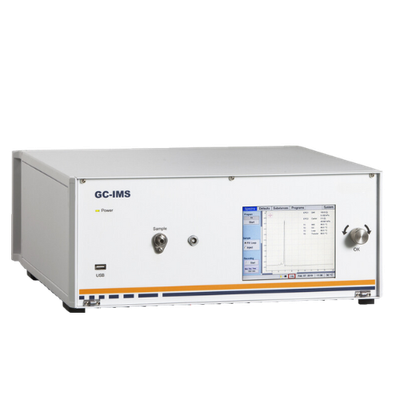
Imspex - Model GC-IMS - Gas Chromatography With Ion Mobility Spectrometry
Combination of gas chromatography (GC) with ion mobility spectrometry (IMS) brings together the high selectivity of GC with the ultrahigh sensitivity of IMS. The technical configurations with gas chromatographic (GC) columns include standard capillary (15-60m) or multi-capillary of various stationary phases that are selected according to the requirements of the analytical assignments. The GC-IMS has an integrated temperature and flow controller. This allows for firmware-steered ramping that, in turn, generates better separation of highly volatile compounds and a shorter run time. These can be key QC outcomes. Availability of both positive and negative ionisation modes makes the instrument suitable for detecting substances as diverse as ketones, aldehydes, alcohols, amines, phosphor organics and chlorinated or hydrogenated compounds.
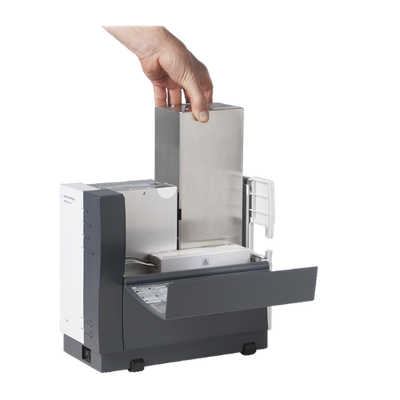
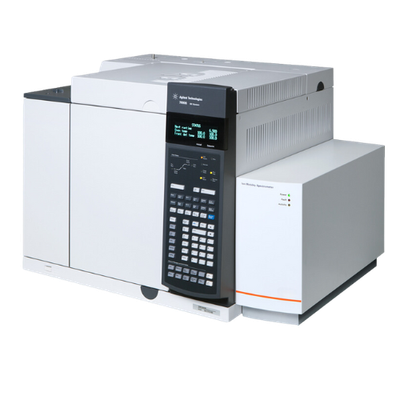
Imspex Agilent - Model 490 Micro GC with IMS - Ion Mobility Spectrometry System
The unique integration of an IMS detector into an existing GC such as Agilent’s 490 Micro GC opens up new horizons for convenience, accuracy and innovation for detection of sub-ppm VOCs in gases. Joint projects can be undertaken to take advantage of the strongpoints of both partners’ instruments when legislative and customer requirements require. A case in point was combination of a G.A.S. IMS instrument together with an Agilent 490 Micro GC.
Technology

Imspex - Ion Mobility Spectrometry for Analytical Technology
What is Ion Mobility Spectrometry (IMS)? Ion Mobility Spectrometry (IMS) is an analytical technology that separates analyte mixtures into their component compounds and then detects what these compounds are. Separation of compounds is based on the specific drift times that ionised compounds need to pass a fixed distance (drift tube) in a defined electric field. The drift time of each substance is determined by the mass and geometric structure of its own ions. These parameters determine the number and rate of collisions with the drift tube walls that, in turn, impact upon the speed of transit through the drift tube. An electrometer then measures the resulting ion current as a function of time.