


International Asbestos Testing Laboratories (iATL) services

Industrial Hygiene
Industrial Hygiene (IH) is primarily concerned with the control of occupational health hazards.

Mold Laboratory Services
Various microscopic techniques are employed to characterize molds. The available science recognizes a few different means of classifying molds. Traditional mycological methods rely on microscopy to differentiate genus and sometimes species of molds. Generally, these techniques are used to differentiate the spores released by the mature mold colonies growing on surfaces.
Asbestos Testing
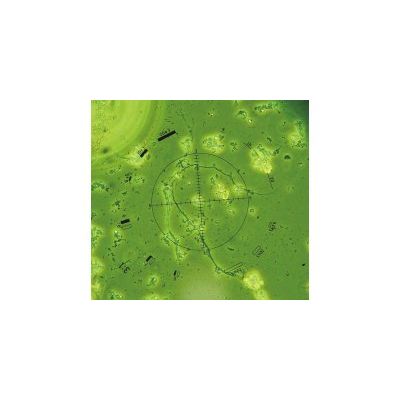
iATL - Airborne Asbestos Testing Services
Airborne concentrations of asbestos are determined by PCM and TEM. Phase Contrast Microscopy (PCM) is widely used to measure fiber concentrations of air samples. This is routinely done at asbestos abatement sites and can be applied for environmental monitoring, personnel monitoring, and clearance testing for minor abatement projects. The PCM technique has the advantage of fast turnaround time and low cost. This technique, however, does have significant limitations. This light microscope technique operates at magnifications of only 400X and will not resolve fibers below 0.25 microns (um) in diameter. Furthermore, PCM can not distinguish asbestos fibers from other fibers (ex: gypsum, mineral wool, fiberglass, cellulose etc.).
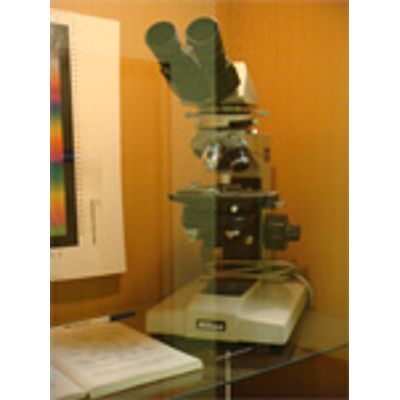
iATL - Bulk Building Materials Asbestos Testing Services
The analysis of Bulk Building Materials for asbestos content is conducted by PLM, XRD, SEM and TEM. There are thousands of materials used in construction that contain asbestos. These materials include, but are not limited to pipe and boiler insulation, acoustical coatings, sprayed-on fire proofing, plasters, ceiling tiles, and floor tiles.
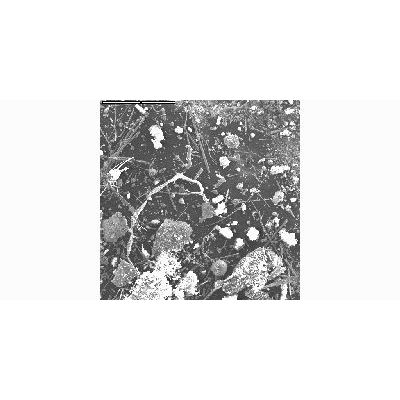
iATL - Settled Dust and Other Non-Building Materials
The analysis of Settled Dust and other Non-Building Materials for asbestos content continues to be a growing and controversial subject in the environmental industry. Whether to establish baseline levels, survey historical buildup, or to diagnose episodic releases, the utility of surface dust analysis has proven efficacy for the environmental professional.

iATL - Soil, Sediment, Vermiculite and Erionite Services
The analysis of Soil and Sediment for asbestos content continues to be a valuable tool for environmental investigations (e.g. possible illegal dumping of asbestos building materials). In all, the sampling and analysis procedures developed by EPA Region I, CARB 435 and others have proven efficacy and utility for the environmental professional.
iATL - Water and Other Aqueous Samples
The analysis of Water and Other Aqueous samples for asbestos content continues to mature. This growth is evidenced by recent method developments by EPA. Investigations of asbestos in drinking water are conducted when water supply pipes are disturbed or replaced. Municipal utilities serving certain populations are required to test this analyte. Often effluent or waste streams are tested to survey industrial contamination.
Other
iATL - Consumer Product Laboratories Testing Services
Consumer Product Laboratories (CPLabs) was formed in 2009 in response to hundreds of calls from customers that needed to comply with new Consumer Product Safety Commission regulations for lead in various products, especially those products that might be handled by children. Thus, CPLabs was born. We quickly applied for, and received full CPSC accreditation as a third party testing laboratory. Our ISO 17025 status with several other regulatory bodies, our history of analytical excellence, and our ability to provide analytical services for this new realm of clients has generated continued success.
Lead Analysis
iATL - Lead in Paint
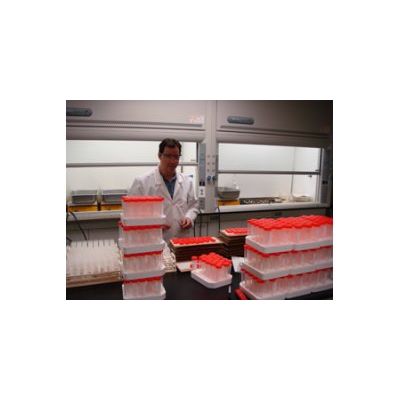
iATL performs thousands of analyses each year on Lead in Paint samples. Many times these samples are generated from environmental engineering / consulting companies that are contracted to perform a survey of all of a building or property`s painted surfaces. iATL employs Atomic Absorption Spectrophotometry (AAS) for the analysis of its environmental lead samples.
iATL - Lead in Soil
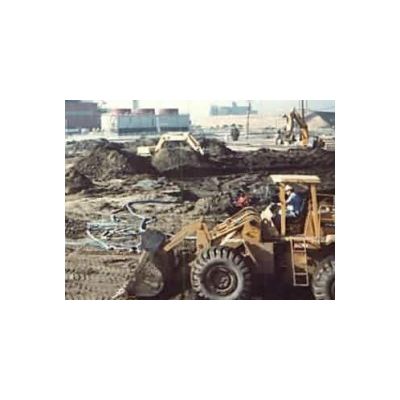
Maximum Contamination Levels (MCLs) exist for all environmental lead matrices including Lead in Soil. This category is many times related to playground or building drip line investigations. Once again, strict field sampling schemes should be employed (See FAQ) to ensure meaningful analytical results. AAS is employed. Results are reported in mg/kg (ppm). Accreditation and proficiencies are through AIHA.