JPT Peptide Technologies GmbH
5 products found
JPT Peptide Technologies GmbH products
SpikeMix & SpikeTides - Proteomics Peptide Standards Kits
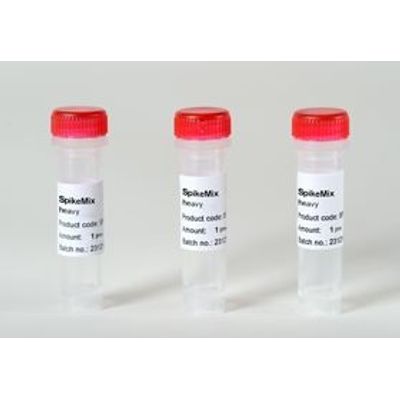
We developed a variety of off the shelf proteomics peptide standards for targeted and discovery proteomics. SpikeTides and SpikeMix Kits offer fast access to commonly used proteomics peptide standards and peptide standard pools for relative and absolute protein quantification by mass spectrometry-based assays.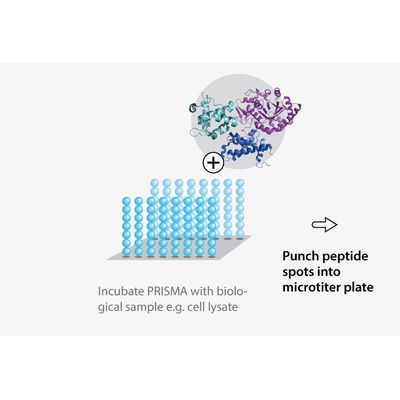
Protein Interaction Screen on Peptide Matrix (PRISMA)
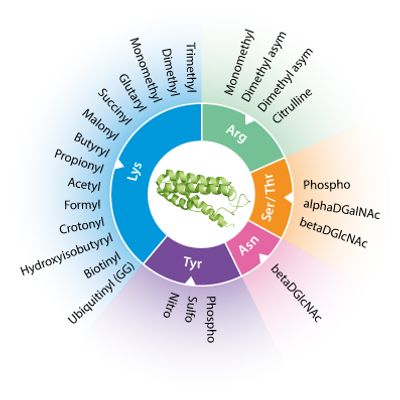
Protein-protein interactions are a hallmark of signal transmission and key to understanding regulatory mechanisms. Therefore, we developed the Protein Interaction Screen on Peptide Matrix (PRISMA) together with our partners from Max-Delbruck-Center for Molecular Medicine (MDC) to systematically explore the interactome.Peptide Modifications & Specialty Peptides
Unnatural / Unusual Amino Acids
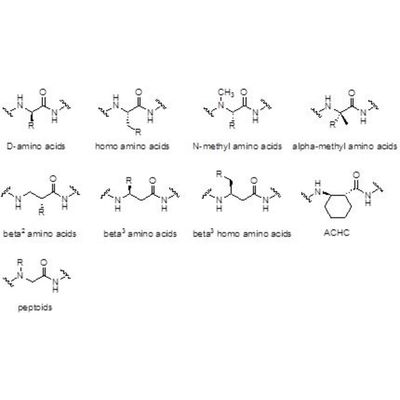
Non-natural amino acids are incorporated into peptides for many different reasons. For example, unnatural amino acids are used to increase the activity or selectivity and plasma stability of peptides in drug discovery projects. Another example is the use of non-natural amino acids for the induction or stabilization of secondary structures (helices, sheets, turns).
Isotope Labeled Peptides
Interested in purchasing stable isotope labeled (SIL) peptides? Please hop over to Reference Peptides for Targeted Proteomics - SpikeTides & SpikeMix. Isotope labeled or heavy amino acids are derived from natural amino acids by substitution of atoms with respective heavy isotopes. The most frequent substitutions of non-radioactive amino acids are 12C by 13C, and 14N by 15N, and 1H by 2H (deuterium).