

LAND® applications
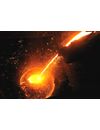
Steel production from iron and scrap in a furnace with oxygen; benefits of temperature monitoring. Steel is typically produced by heating iron and scrap steel in a furnace with oxygen. Temperature monitoring provides several benefits in process and quality control for steel manufacture. The acknowledged leader in the field of industrial temperature measurement, We have supplied the iron and steel industry with cutting-edge equipment for more than 70 years. Today, we manufacture an extensive range of advanced instruments designed specifically for key applications within this industry.
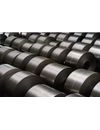
Cold rolling stage for strip thickness reduction. Temperature sensitive cold rolling operations are accurately measured with AMETEK Land’s non-contact spot pyrometers. Selected waveband designs provide the highest accuracy readings with immunity from emissivity changes.
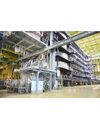
Continuous annealing process for steel strips. The continuous annealing line (CAL) is used to modify the grain structure of steel through heat treatment, changing properties including hardness and strength.
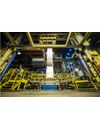
Continuous galvanization (zinc coating) line. The purpose of the continuous galvanizing line (CGL) is to apply a coating of zinc or zinc/aluminium onto the surface of steel strip to improve corrosion resistance.
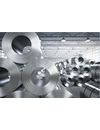
Rolling mill for aluminium strip. The strip mill takes aluminium from the smelters or recycled product and converts it into a usable industrial form, reducing thick slabs into thin sheets that are light, durable and strong.
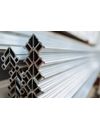
Facility for aluminium extrusion processes. Heated billets of aluminium alloy are pushed through a preheated die to create the required profile. Quenching is vital to ensure the finished product has the correct properties.
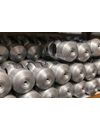
Aluminium parts forged by pressing heated blanks. Forging is used in manufacturing processes to create aluminium of the desired shape, strength, and performance properties by applying high pressures – through pressing, pounding or squeezing.
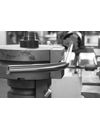
Other aluminium process applications (not covered by specific categories). Aluminium is a versatile metal with a wide range of uses. It can be shaped and treated in many different ways during manufacturing, depending on its ultimate purpose. These methods require accurate temperature measurements to ensure the final product is of the desired quality.
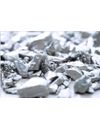
Processes for refining platinum metal. Platinum is the best known and most widely used of the platinum group of elements on the periodic table. Platinum is silver-white in colour, corrosion resistant, and has a high melting point.
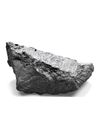
Processes for refining nickel metal. Nickel is recognised for its exceptional strength, corrosion resistance, and high melting point, making it a valuable metal in various industrial applications.