Landmark Wildlife Management, LLC
5 services found
Landmark Wildlife Management, LLC services
Wildlife Exemption Services
Put simply, a wildlife exemption is an alternative form of agriculture (“ag”) exemption with the same favorable tax implications as an ag exemption. Technically, the wildlife valuation is not a true “exemption” but a special valuation approved through a constitutional amendment (Proposition 11, which passed in 1995). To qualify for a wildlife exemption, landowners must be actively using the land to propagate a sustaining breeding, migrating, or wintering population of indigenous wildlife animals for human use. Wildlife exemptions are ideal for landowners who have an active interest in wildlife, are no longer interested in livestock, hay, or timber production, would like to lower their cost of property ownership, or who have property goals not consistent with ag production.
Property Tax Consultation
Landmark’s most common form of property tax consultation is representing landowners during the wildlife application process. Our Senior Property Tax Consultant certification allows us to serve as your direct interface with the appraisal district. We offer this service for your convenience and to ensure that your interests are represented by a professional. In rare cases, landowners are denied their ag or wildlife exemptions. This can happen for several reasons including failure to properly apply for the special valuation (most often for landowners who draft their own plans) or not responding to appraisal district requests for information. Landmark Wildlife can help you work through these issues by working cooperatively with the appraisal district to reach favorable outcomes. Often, denials of ag or wildlife can be handled informally. If they can’t, Landmark Wildlife represents landowners at Appraisal Review Board (ARB) hearings.
Biologist Visits & Check Ups
For landowners who are on the fence about switching to wildlife or have land in ag and plan on staying, a Biologist Consulting Visit is a great way to learn about your property and appropriate wildlife management practices. What types of wildlife are utilizing your property? How can your habitats be modified to benefit wildlife? During Biologist Consulting Visits, we’ll send a masters-level biologist to your property do discuss relevant wildlife practices such as food plots, brush management, reseeding, and adding supplemental water sources. Wildlife Exemption Check-ups are an ideal choice for landowners who already have a wildlife exemption and want to make sure their wildlife management plan is on track. One of our masters-level biologists will visit your property and review your wildlife practices to make sure that you are compliant with state guidelines. We will discuss levels of intensity for each wildlife practice, proper ways to document activities, and offer new ideas.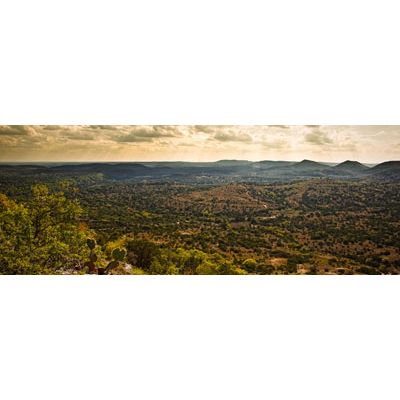
Wildlife Service Agreements
While many Landmark clients have the ability and time to conduct wildlife practices themselves, many do not. For these landowners, Landmark Wildlife provides Wildlife Service Agreements to ensure your wildlife practices are taken care of each year. Our wildlife biologists and technicians implement components of your wildlife management plan efficiently, effectively, and in a wildlife-friendly manner. All wildlife practices are thoroughly documented with photographs, log sheets, and maps. These practices are customized to your property and unique circumstances. Annual Reports (link to annual report) are created which summarize yearly wildlife activities. If your appraisal district requests a site inspection (link to property tax consulting), Landmark Wildlife will be on hand to ensure it goes smoothly. Wildlife Service Agreement’s are one way that we can help improve the quality of your land an provide you peace of mind knowing that your wildlife practices are being completed.