


Lianyungang JM Bioscience Co., Ltd. products
Urease Inhibitors
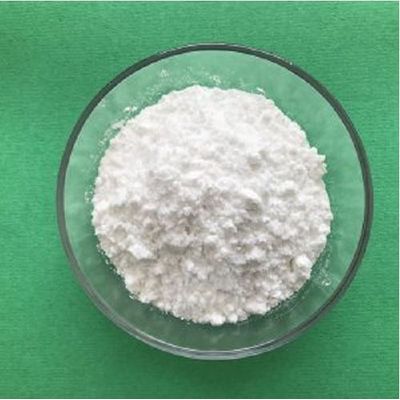
Jinma - Model N-(N-Propyl) - Thiophosphoric Triamide/NPPT
N-(n-propyl) thiophosphoric triamide was synthesized by "one-pot" method. Using the phosphorus sulchoride and n-propylamine as raw material, the intermediate is synthesized by nucleophilic substitution reaction. Then, the intermediate isreacted with ammonia by ammonolysis to synthesize the N-(n-propyl) thiophosphoric triamide. The purity of product was 97.5%, overall yield of 76.6%.
Nitrification Inhibitors
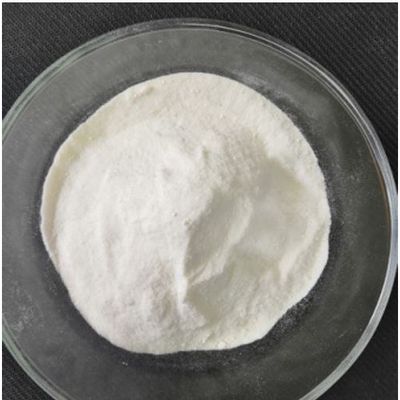
Jinma - Model DMPP - 3,4-Dimethylpyrazole Phosphate
3,4-Dimethylpyrazole (phosphate) (3,4-DMPP) is an inhibitor of nitrification deemed safe by extensive standard toxicology and ecotoxicology tests. 1When utilized oncrops, 3,4-DMPP prevents nitrogen loss from soil, increases nitrogen use efficiency, and boosts crop yields. However, a meta-analysis found no influence of 3,4-DMPP on net crop yield, although it may boost yields in alkaline soil. 3,4-DMPP may be less effective in acidic soils and in the post-harvest period. DMPP interferes with ammonia monooxygenase from ammonia-oxidizing bacteria (AOB) and archaea (AOA) but may not directly affect AOB, AOA, and non-target populations.
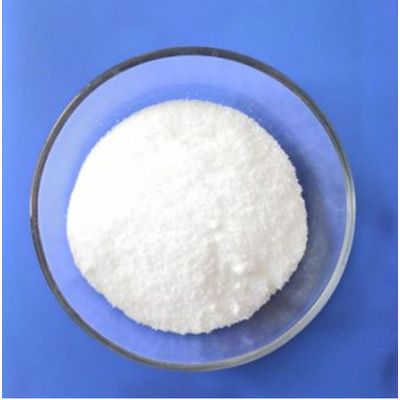
Jinma - Model DCD - Dicyanodiamide
Dicyandiamide is commonly used for the curing of epoxy resins.It is a nitrification inhibitor that is capable of reducing nitrate (NO3-) leaching and nitrous oxide (N2O) emissions from soils. China Agriculture Grade Nitrification inhibitor White Powder Cyanoguanidine Dicyandiamide DCDA. White crystal powder, density is 1.40g/cm3 (at 25º C). Melting point is 209-211C, it is soluble in water and alcohol, almost insoluble in ethyl ether and benzene, stable when dry, non-flammable.
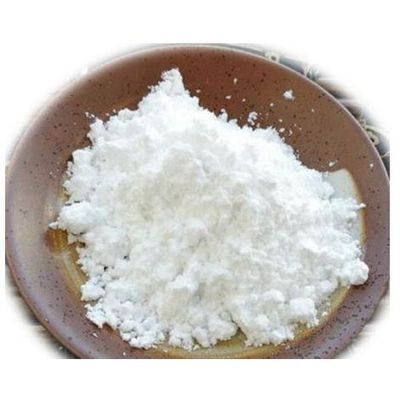
Jinma - Nitrapyrin
Nitrapyrin is an organic compound with the formula ClC5H3NCCl3. It is a widely used nitrification inhibitor in agriculture as well as a soil bactericide and has been in use since 1974. Nitrapyrin was put up for review by the EPA and deemed safe for use in 2005. Since nitrapyrin is an effective nitrification inhibitor to the bacteria nitrosomonas it has been shown to drastically the reduce NO2 emissions of soil. Nitrapyrin is a white crystalline solid with a sweet odor and is often mixed with anhydrous ammonia for application.
Agrochemicals
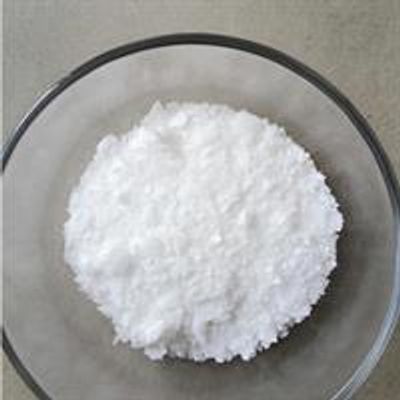
Jinma - Octadecylamine
Modified octadecylamine (ODA) based Langmuir-Blodgett (LB) films were investigated. These films may find uses as ion exchange systems. ODA may be used to functionalize carbon nanomaterials. Thermal decomposition of metal nitrates in the presence of ODA may be used to obtain metal oxide nano crystals of controlled size and shape. ODA based LB fims was used to realise enzymatic field effect transistor (ENFET) biosensors.
Jinma - Model PA - Phosphorous Acid
Phosphorous acid is the compound described by the formula H3PO3. This acid is diprotic (readily ionizes two protons), not triprotic as might be suggested by this formula. Phosphorous acid is an intermediate in the preparation of other phosphorus compounds.

Jinma - Monopotassium Phosphite
Monopotassium phosphite is an inorganic compound with the formula KH2PO3. A compositionally related compound has the formula H3PO3.2(KH2PO3). Both are white solids that contain salts of the phosphite anion H2PO3−, the conjugate base of phosphorous acid. These materials have been used in some fertilizers.
Other Products
Jinma - D-Isoascorbic Acid
D-isoascorbic acid (isoascorbic acid, D-araboascorbic acid, (D-)erythroascorbic acid) is a stereoisomer of ascorbic acid (vitamin C), A reaction between methyl 2-keto-D-gluconate and sodium methoxide synthesize it. It`s also be synthesized from sucrose or by strains of Penicillium that have been selected for this feature. , and is widely used as an antioxidant in processed foods. Effects of a wide variety of antioxidants and related compounds on the stability of betanine were measured in air-saturated solutions at 40°C pH 5.0. No phenolic or sulfur-containing antioxidant was effective in stabilizing the pigment. Ascorbic and isoascorbic acids had similar effects in improving betanine stability in a citrate buffer. When citric acid was combined with ascorbic acid, the antioxidant effect was no greater than when ascorbic acid was used alone.