

Loprest, a division of WRT products
Treatment Processes
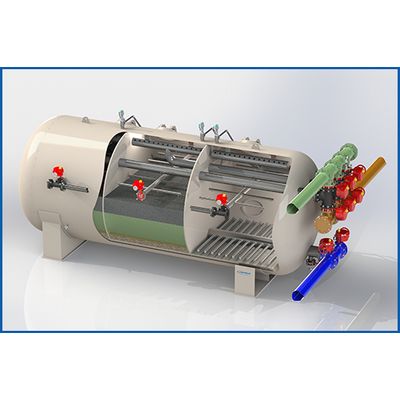
Syncro-Cleanse - Multi-Cell Pressure Filters
Loprest pressure filters can be provided in horizontal or vertical vessel configurations for flow rates from 50 to 5,000 GPM. The Loprest multi-cell pressure filter design produces its own backwash water, so there is no need for a separate treated water source and pumping system. The Loprest filter design has been optimized over many years for reliable, efficient, economical operation. All Loprest treatment systems are operated by a fully automated control package. Further reduction of the volume of backwash water requirements can be achieved with the application of the Loprest SYNCRO-CLEANSE® process. This patented design utilizes both air and water for a more efficient backwash operation.
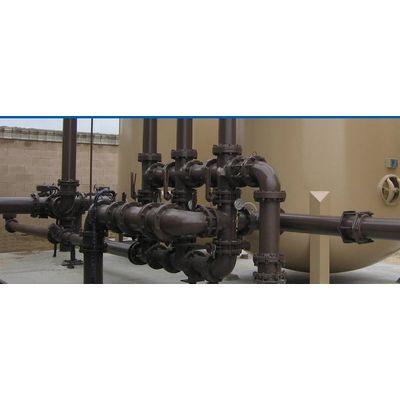
Loprest - Ion Exchange Treatment Systems
Loprest has been providing ion exchange treatment systems for the removal of arsenic, nitrate, perchlorate, hardness, fluoride and other contaminants for many decades. Loprest has the engineering process and application expertise to select the proper exchange resin and design a treatment system that will optimize the system performance.
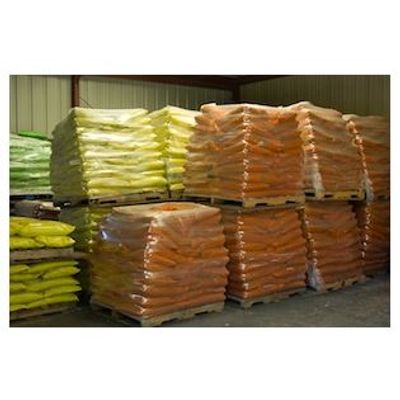
Loprest - Granular Activated Carbon
Loprest designs and manufactures granular activated carbon (GAC) treatment systems for taste and odor applications, chlorine removal, PFC’s, 1 2 3 TCP, PCE/TCE, 1 4 dioxane, and many other contaminants. Loprest has a long, successful history in the selection and application of the proper carbon media for the application.
Contaminants
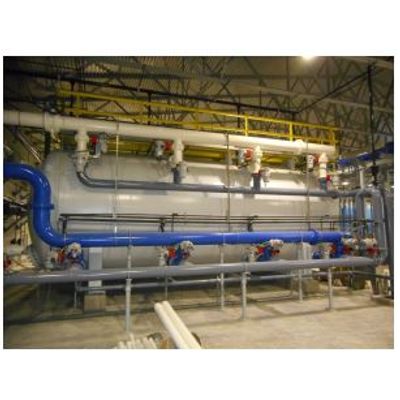
Loprest - Iron & Manganese Removal Filters
Iron and manganese removal filters typically use an oxidation process ahead of the filters in order to achieve desired treated water levels for compliance. The treatment process is optimized with the proper selection of filtration media based upon the specific properties of the water being treated.
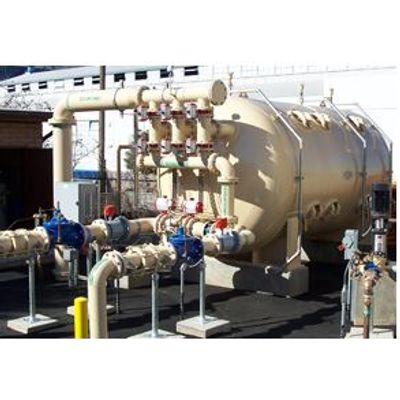
Loprest - Arsenic Removal Filters
Arsenic is a naturally occurring contaminant found in many groundwater sources. In 2001 the USEPA established a maximum contaminant level (MCL) of 0.010 mG/L (10 ppb). The common forms of arsenic are arsenite (As III) and arsenate (As V). Arsenite is more soluble in water and less available for precipitation or adsorption than arsenate; therefore, oxidation is often implemented to optimize arsenic removal.