


- Home
- Companies
- Marley HVLS Fans
- Applications
Marley HVLS Fans applications
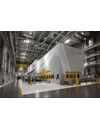
The automotive industry is primarily built in large indoor spaces and these spaces have a lot of workers working with various machinery at different temperatures. In addition, there are fumes and heat being generated from the engines and also from other equipment like welding and painting. There is also a lot of energy consumption from the various equipment and not to mention the constant changes in temperatures with garage doors opening frequently. All this results in an uncomfortable temperature that results in poor working conditions and poor air ventilation and circulation.
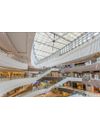
Large commercial spaces face the typical problems of ventilation and air circulation and these problems sometimes result in accumulation of moisture on some surfaces and stale air accumulating in pockets that could cause deterioration of inventory and also result in an uncomfortable workplace for employees and a bad experience for shoppers and visitors. Trying to solve this with just HVAC usually results in large power bills and suboptimal results.
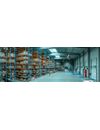
Warehouses are large spaces filled with equipment, employees, stored goods, and lighting. A lot of the equipment and lighting in the warehouses are prone to giving out heat. To ensure a comfortable experience for employees and also to prevent the degradation of stored goods due to temperature changes and moisture, it is very important to maintain adequate ventilation and constant air circulation.
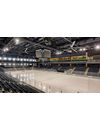
In large educational institutions and libraries where silence is important, a buzzing fan can cause a lot of disturbance. Especially in indoor stadiums where there are a lot of people gathered for events, a traditional HVAC unit can not effectively regulate the temperatures in all the areas and this might cause discomfort to the occupants.
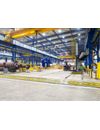
Large manufacturing facilities have huge variations in temperatures and become uncomfortable to work in. Especially during extreme weather, the temperature changes can be very steep and can cause hot and cold zones in the same facility. This can cause equipment failure or fatigue and discontent amongst the workforce.