


McMillan-McGee Corp. products
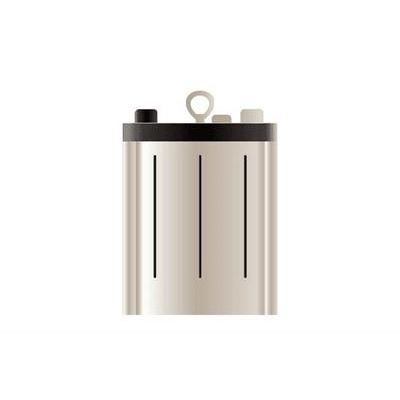
Mc2s - Electrodes
Mc2`s electrodes are custom made in diameters of up to twelve inches and are typically ten feet long. They are rated to withstand temperatures up to 200oC (392oF) at more than 50kW. Electrodes are fabricated from high temperature resistant materials and connected to the PDS. The use of three-phase power synchronization means the ET-DSP™ pattern is not geometrically limited allowing the system to target contaminated plumes of any dimension.
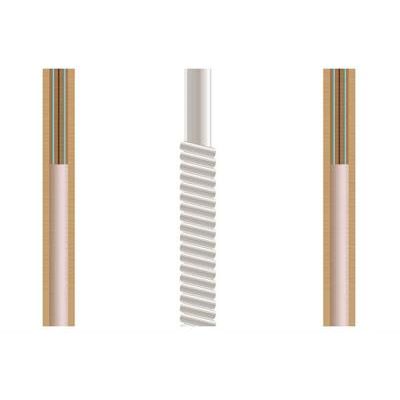
Electro-Thermal Dynamic Stripping Process (ET-DSP)
The Electro-Thermal Dynamic Stripping Process (ET-DSP™) was created and patented by Mc2 to remediate contaminated soil and groundwater. It involves the introduction of electrical current into the contaminated soil volume via electrodes strategically placed throughout a contaminated zone. The system is designed to use conventional and readily available three-phase power to transfer current to each individual electrode and heat the subsurface. The ET-DSP™ process maximizes the impact of all available heat transfer mechanisms to volatilize contaminants in-situ or to drive them to extraction wells via a guided steam front. Electrical heating increases the temperature of the soil and groundwater by conducting current through the interstitial water that fills the porosity voids in soil.
Water Circulation System
The water circulation system is an integral component to the ET-DSP method. Without this system the electrode temperatures would rise and the surrounding soil would desiccate and become more resistive. The increase in soil resistivity increases the amperage draw on the PDS and can ultimately result in a main fuse, electrode or transformer failure. This can occur even at relatively low currents.
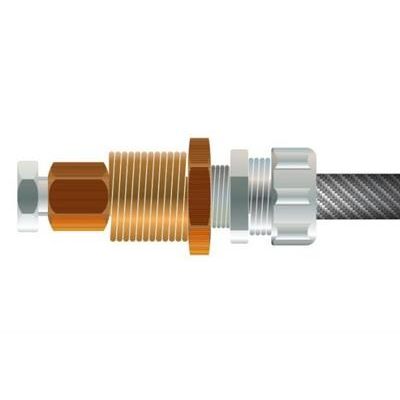
digiTAM - Digital Temperature Sensors
Digital at the Source. Real-Time In-Situ Monitoring. Mc2 uses vertically installed digiTAM digital temperature sensors to monitor the heating process at an ET-DSP™ site.