

Mechanical Systems, Inc. (MSI) services
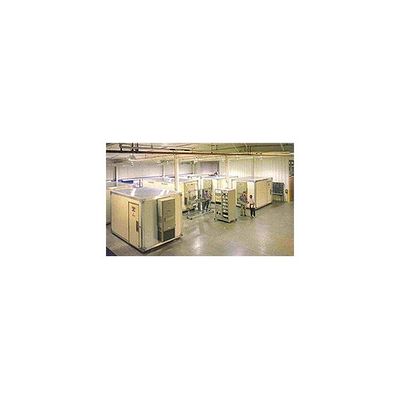
Emissions Monitoring Maintainance & Support Service
Mechanical Systems, Inc. takes great pride in our maintenance and support services. Our onsite services include 24 hour emergency services, customized preventative maintenance plans, and quarterly/annual services. If onsite service isn’t possible, MSI can troubleshoot your systems remotely through remote access or we can simply help you over the phone. In addition MSI offers CEMS training services. Our team will train your employees in theory of operation, disassembly and reassembly of system components and general troubleshooting methods.
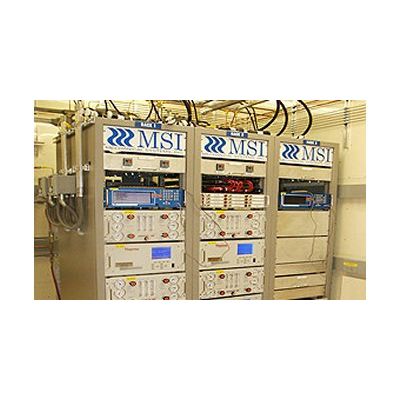
Installation of Process Monitoring Systems
Mechanical Systems, Inc. recently installed upgraded process monitoring systems for a selective catalytic reduction (SCR) unit located at a coal-fired power plant operated by an electric utility in Wisconsin. We were able to install multiple unit monitoring systems in a single shelter. Utilizing M&C dilution probes and Thermo Scientific analyzer at the inlets and outlets of the SCR unit, the system provided fast, reliable, real-time measurements.
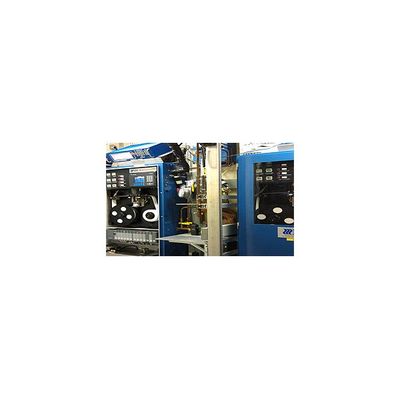
Full Service Project Installation of BetaGuard Particulate Monitors for a Utility Plant
For this project, the team at Mechanical Systems, Inc., provided a full service systems integration of two BetaGuard Particulate Monitors at a coal-fired power plant in Indiana.
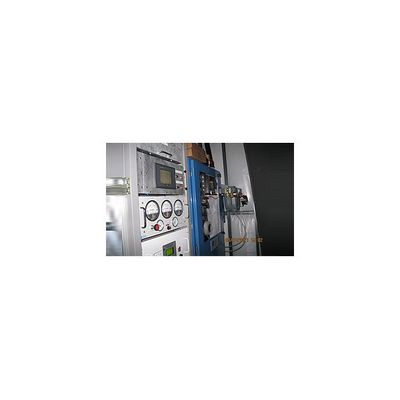
Installation of a BetaGuard Particulate Monitor at a Wood-Fired Steam Generating Boiler
Mechanical Systems, Inc., engineered and installed a continuous emissions monitoring system (CEMS) for a wood-fired, steam-generating boiler. For this project, using a continuous opacity monitoring system (COMS) was not possible because of wet stack gas, so the BetaGuard Particulate Monitor provided a better solution for this application.
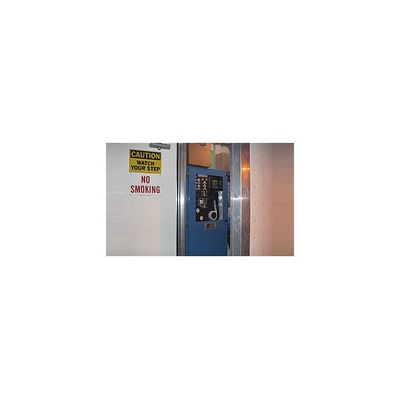
Installation of First Compliance Particulate Monitor for the Electric Utility Industry
An electric utility in Kentucky operating a coal-fired power plant hired Mechanical Systems, Inc. to replace a continuous opacity monitoring system (COMS) that was located in the duct work upstream of the flue-gas desulfurization system. High readings were causing frequent derating and negatively impacting revenue.