

National Rural Water Association training
Utility Management Certification
The Utility Management Certification (UMC) is the first credential to acknowledge an operator’s expertise in managing a water or wastewater utility. The UMC has become a standard for recognizing management expertise and advancement potential. Utility employees have used the UMC as a way to advance from field work into management. The certification has also become an important tool for water professionals seeking promotions and raises, since the certification recognizes experiences and accomplishments that may not be obvious to non-water professionals serving on boards and councils.
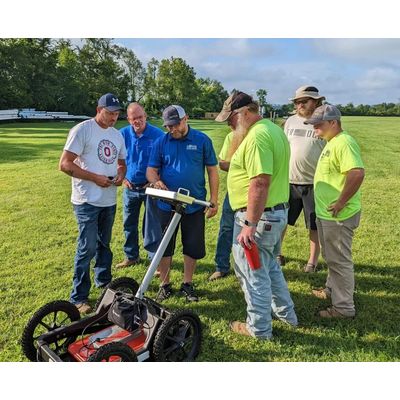
Circuit Rider Program
In 1980, the USDA Farmers Home Administration, in collaboration with NRWA, established the Rural Water Circuit Rider Program. This program provides a nationwide team of drinking water professionals to provide training and technical assistance to water utility managers, boards and operations specialists. This training is designed as on-site, hands-on, activity-based training, where participants take ownership in learning how to resolve their current and future problems. The program is designed to protect USDA Rural Development’s current water utility infrastructure investments and help them plan for a more sustainable future.
WaterPro Academy
The Need for a Qualified Workforce. It takes more than 380,000 highly skilled water and wastewater professionals to ensure the public supply of safe drinking water and to protect our water sources. If there are water and wastewater services in your community, state laws require that there must be certified operators in charge of those facilities. This means that even in the most rural of communities, job opportunities exist in the water and wastewater industry.
Wastewater Program
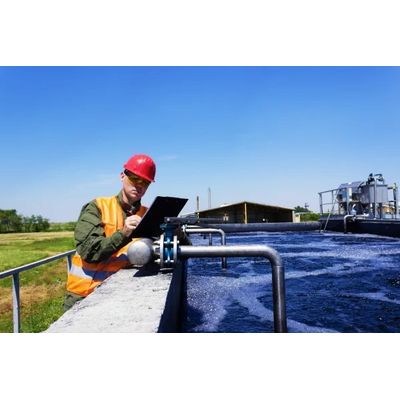
The purpose of the Wastewater Program is to protect the nation’s multi-billion-dollar investment in rural and small municipal water/wastewater systems by providing on-site technical assistance, which ensures cost-effective operations and adequate income for both operations and debt service within each state. The NRWA has a total of 75 dedicated and talented Wastewater Technicians throughout the country, but are working through their State Rural Water Association. The primary goal of these technicians is to assist small, rural and economically challenged communities to enhance and maintain the financial sustainability of their wastewater systems through technical assistance and/or training.
Apprenticeship Program
The Need for Apprentices: It takes more than 380,000 highly skilled water and wastewater professionals to ensure the public supply of safe drinking water and to protect our lakes, streams and groundwater. If there are water and wastewater services in your community, state laws require that there must be certified operators in responsible charge of those facilities. This means that even in the most rural of communities, job opportunities exist in the water and wastewater industry.
EPA Water Training and Technical Assistance Program
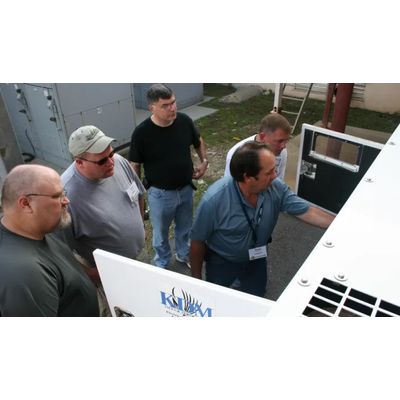
EPA Water Training and Technical Assistance Program provides accredited operator certification training, board member training, and on-site technical assistance that supports the specific needs of small water system personnel, tribal systems, and overburden systems. Training Specialists have experience working with small systems and possess expert knowledge regarding their compliance challenges. Classroom sessions are designed to meet state-specific compliance challenges. They are geographically located in areas to reach the most significant number of small system operators. This is important because many small public water systems lack the financial resources to allow operators to travel to central or urban areas for training, and these operators have no backup to respond to emergencies while they are absent.
Decentralized Wastewater Technical Assistance and Training Program
The NRWA Decentralized Wastewater Technical Assistance and Training Program provides expertise and service that would otherwise be unaffordable to small, rural, and disadvantaged communities, particularly those in traditionally underserved and economically challenged areas.
Sourcewater Protection Program
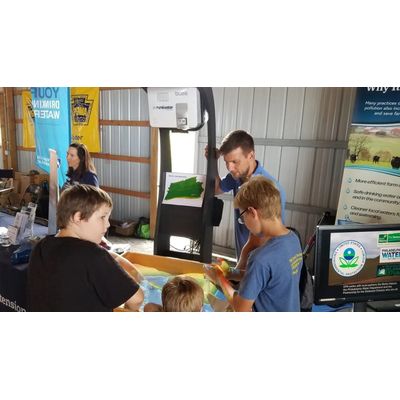
Protecting public health is the top priority in every water and wastewater system in America. Since 1990, the National Rural Water Association and State Rural Water Associations have assisted systems in identifying, controlling, and eliminating pollutants from the nation’s water resources.