


NEXT Environmental Inc. services
Consulting Services

Land Transactions
The Environmental Management Act makes clear that caveat emptor (buyer beware) applies to transactions involving contaminated land. This legislation also provides a mechanism whereby the risk of liability can be reduced through a staged investigative process described at Site Investigation. Following this process permits a buyer to qualify for the `innocent acquisition exemption.` Buyer concerns are so prevalent that sophisticated vendors normally undertake investigations of suspect properties before listing them for sale. This initiative avoids disappointment when a prospective buyer expresses concern over possible contamination, and permits an opportunity to address or plan remedial options. Next Environmental specializes in land transactions and has extensive experience investigating properties following Ministry of Environment requirements.
Preliminary Site Investigation
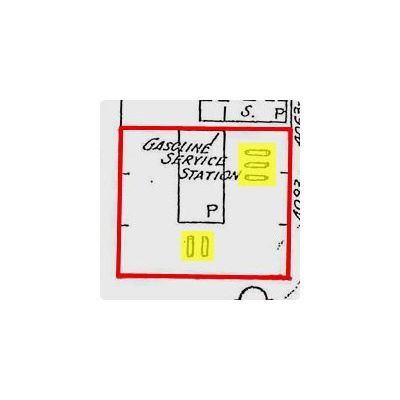
The process of investigating a property is regulated by the provincial Ministry of Environment (`Ministry`), and subject to extensive technical guidance, protocols, and both written and unwritten policies. NEXT offers the expertise to guide you through this process in the most economic and time efficient manner. The need for environmental site investigation can arise for a variety of reasons. For instance, banks often require an investigation prior to financing or re-financing a property to ensure no hidden liability exists from contamination. Municipalities are prohibited from issuing a variety of approvals for a change in land use, such as a development permit or rezoning, without prior investigation to determine whether contamination exists. Prospective purchasers may want to know whether they are assuming unforeseen financial liability before removing subjects on a land transaction.

Detailed Site Investigation
In the unfortunate circumstance where contamination is identified on a property during the Stage 2, a Detailed Site Investigation (`DSI`) becomes necessary to determine the nature and extent of contamination. This step can be expensive as it may require several rounds of drilling and sample collection to delineate contaminant plumes both vertically and laterally. Thus, clients rely on NEXT`s skill and judgement to minimize costs while obtaining data necessary to properly delineate and quantify contamination. As the final investigative step prior to remediation, this step provides information critical to evaluating the many remedial options available. NEXT reports are detailed, well illustrated and informative.
Tank Removal
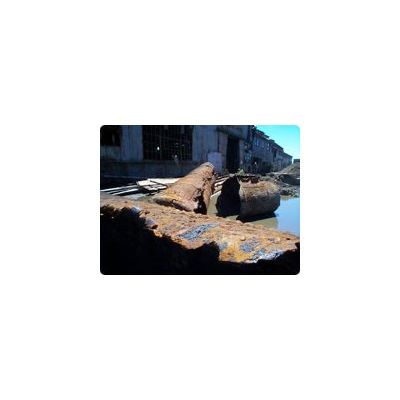
NEXT is very experienced at Underground Storage Tank (`UST`) removal from residential, commercial, and industrial properties, including from locations which are difficult to access, such as underneath buildings. Leaking or unused USTs are removed to remediate contamination or reduce the potential environmental liability they represent were they to leak fluids in the future. Removal is also recommended to comply with the BC Fire Code, which requires removal of USTs which have been out of service for 2 years. Safe tank removal includes evacuating its contents and removing associated piping, collecting samples of soil, groundwater, and vapour to evaluate the presence or absence of contamination, remediating contamination and providing a clear report to Ministry of Environment standards to confirm removal.
Remediation Services
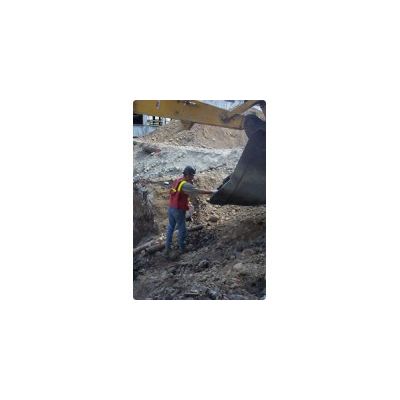
Remediation is the process whereby contamination in soil, groundwater, or vapours is addressed in the manner necessary to obtain a Certificate of Compliance from the Ministry of Environment. There are two options for remediating a site - physical remediation and Risk Assessment. Physical remediation is the preferred approach as it reduces concentration to Ministry standards considered protective of human health and the environment. While permanent, and often easy to achieve, this approach can be expensive and may be hindered by limited access, availability of technology, and time constraints.

Risk Assessment
Risk assessment is an accepted remediation technology in BC and provides another approach to obtaining a Certificate of Compliance from the Ministry of Environment. However, consideration must first be given to the feasibility of permanent remediation by physical means. Rather than reducing contaminant levels, it focuses instead on determing whether there is an unacceptable risk to allowing contamination to remain in place. And if the risk is unacceptable, risk assessment evaluates whether this risk can be mitigated by such measures as entombment, barriers to migration or other means for blocking the pathway to human and ecological receptors. Essentially, risk assessment involves investigating the potential pathways by which contamination may be exposed to a biological receptor, such as humans (Human Health Risk Assessment) or animals or plants (Ecological Risk Assessment).