


Nuvision Instrumentation Solution products
Liquid Analysis
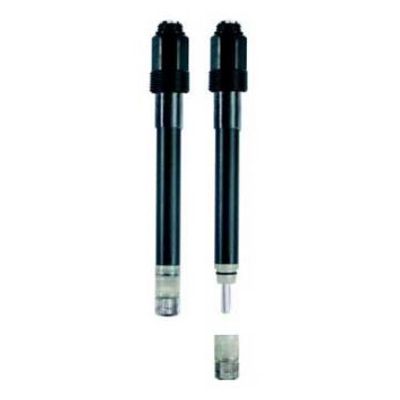
Nuvision - Ammonia Sensor Exporter
This probe is used to measure ammonia (NH3) in aqueous solutions. In an aqueous solution, ammonia is in a pH dependent balance with ammonia ions (NH4+-lonen). If the NH4+ ions are transformed into ammonia by the addition of a caustic solution, the probe will record the resulting ammonia. NH4+ ions as such will not be recorded. The ammonia sensor comprises a pH glass electrode and a reference electrode. Both electrodes are immersed in an electrolyte. The electrolyte is separated from the medium to be measured by a hydrophobic gas permeable membrane. The pH value of the electrolyte changes by NH3 gas permeating the hydrophobic membrane. This local change of the pH value is measured by the integrated pH electronic at a resistance. The advantage of the JUMO ammonia probe is the availability of pre-fabricated membrane caps. Manual attachment of the sensitive membrane is not required. The membrane cap of the JUMO probe is easily and quickly replaced as a compelete unit.
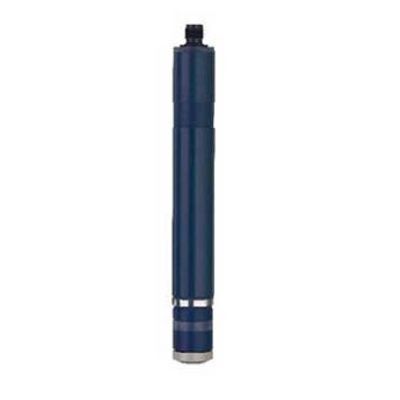
Nuvision - Bromin Sensor Exporter
The disinfectant bromine offers a greater disinfectant effect at higher pH values compared to chlorine compounds while at the same time having a lower corrosive effect.Abreacted bromine solutions irritate the mucous membranes to a lesser extent and have a neutral odor.
The membrane-covered, amperometric sensor works on the three-electrode principle. The device is used for the online measurement of hypobromous acid (HOBr). Suitable bromination methods include free bromine (HOBr) as well as 1-bromine-3-chlorine-5.5-dimethyl-hydantoin(BCDMH).
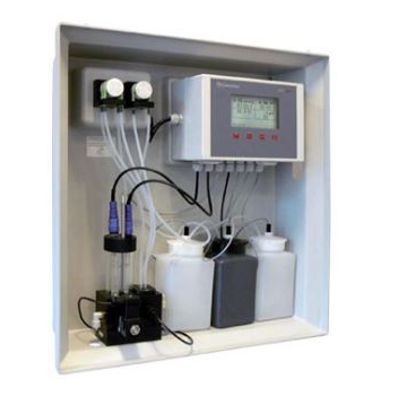
Nuvision - Membrane-Covered Amperometric Sensors
These membrane-covered amperometric sensors are used to measure the concentration of chlorine dioxide or ozone in aqueous solutions (e.g. drinking water, swimming pool water, industrial water, process water, and cooling water). The sensor for chlorine dioxide can be used to measure chlorine dioxide from chlorite/chlorine and chlorite/hydrochloric acid plants. The sensor for ozone can be used to measure electrolytically generated ozone among other things. The sensors are not suitable for detecting the absence of chlorine dioxide or ozone. The integrated electronics of the sensors provide a temperature-compensated current signal of 4 to 20 mA. A downstream device (indicator, controller, recorder, PLC, etc.) is used for calibration. The sensors can be connected directly to a suitable display and control device